




















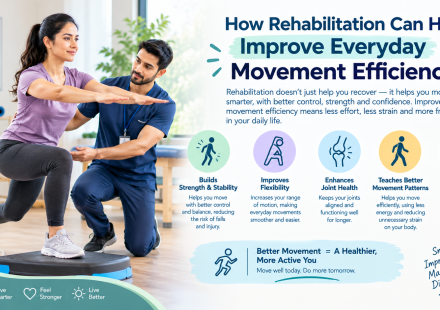
Why Rehabilitation Exercises Progress From Simple to Complex: Understanding Safe and Effective Recovery
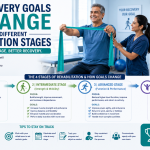
Discover why rehabilitation exercises progress from simple to complex movements, how gradual progression supports safety, builds strength and control, and prepares people for everyday activities. Rehabilitation is not simply about doing exercises…
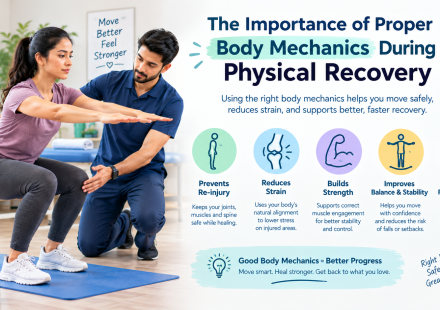
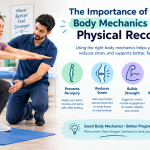
The Importance of Proper Body Mechanics During Physical Recovery: Safe Movement for Better Rehabilitation
Learn why proper body mechanics are important during physical recovery, how safe movement supports rehabilitation, reduces unnecessary strain, and improves confidence in everyday activities. Physical recovery is not only about completing exercises or…
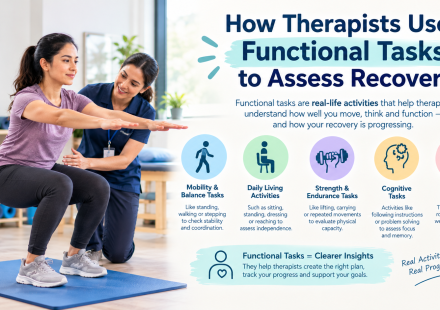
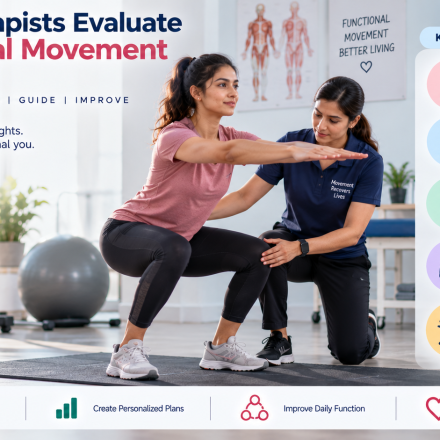
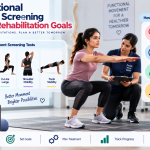
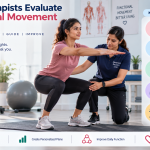
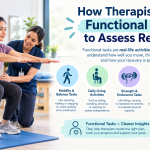
How Therapists Use Functional Tasks to Assess Recovery: Understanding Progress Through Everyday Movement
Learn how therapists use functional tasks to assess recovery, track movement, balance, strength, mobility, independence, and progress during rehabilitation. Recovery during rehabilitation is not measured only by muscle strength, flexibility, or how well…
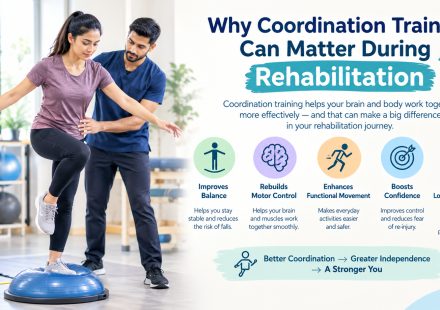
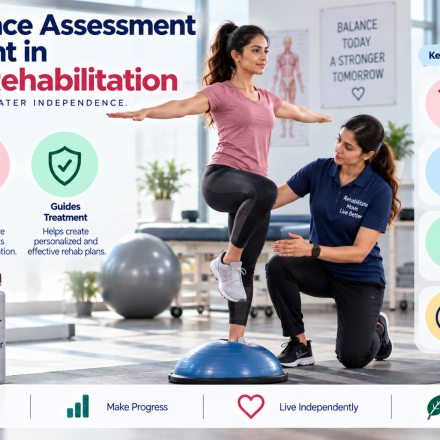
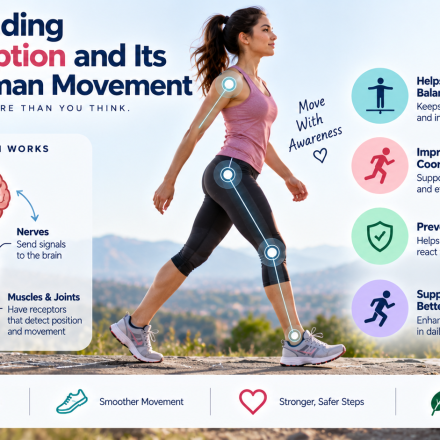
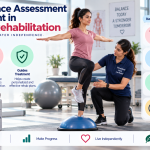
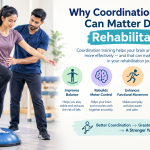
Why Coordination Training Matters During Rehabilitation: Improving Movement, Balance, and Everyday Independence
Discover why coordination training matters during rehabilitation and how it can support balance, movement control, walking, functional activities, confidence, and everyday independence. Coordination is an important part of almost every movement people…
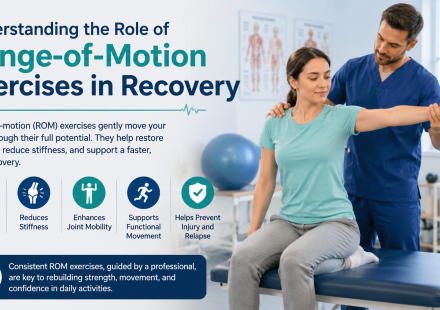
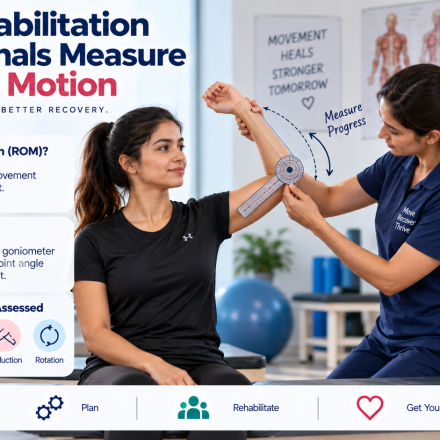
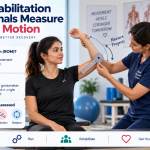
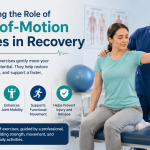
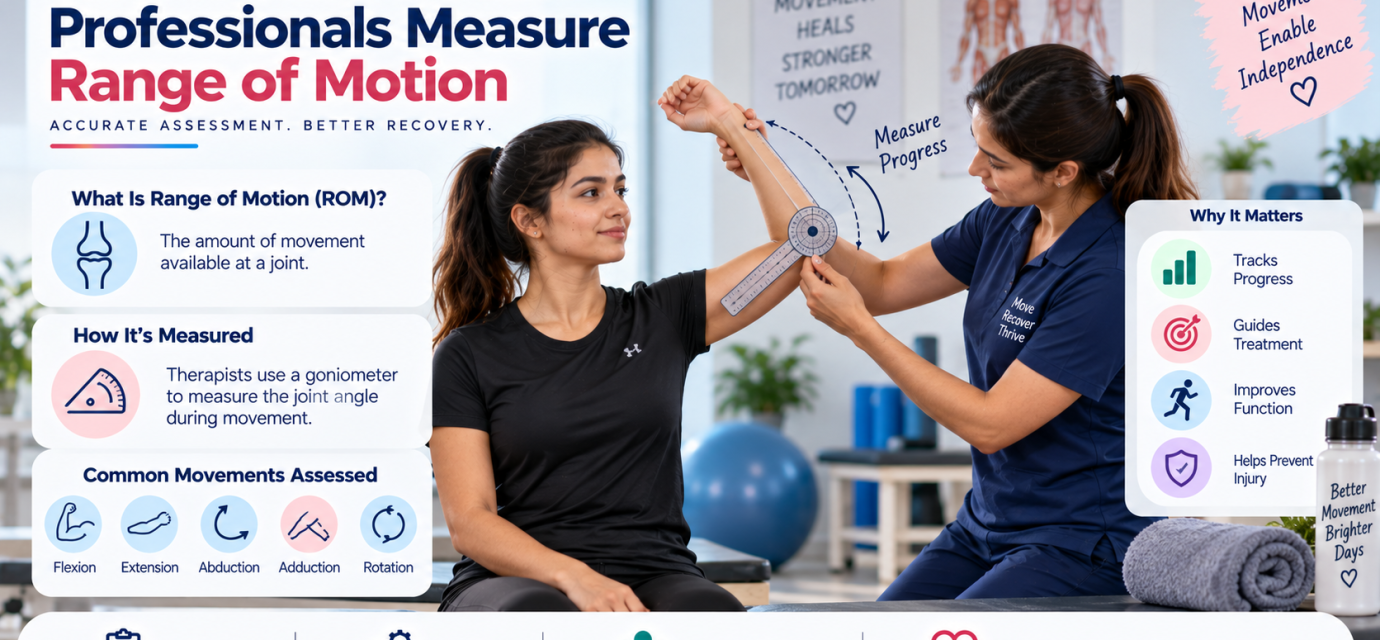
Understanding the Role of Range-of-Motion Exercises in Recovery
Learn how range-of-motion exercises support recovery by improving joint mobility, flexibility and everyday function after injury, surgery or periods of limited movement. Recovery after an injury, surgery, illness or prolonged period of inactivity often…
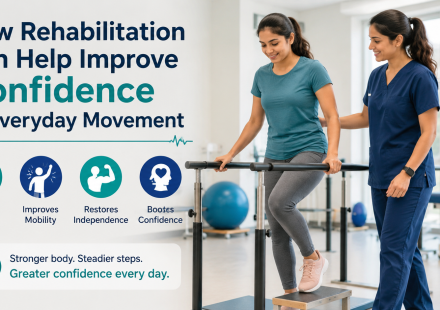
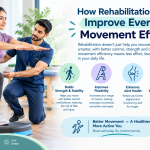
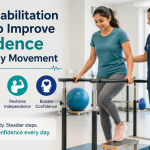
How Rehabilitation Can Help Improve Confidence in Everyday Movement
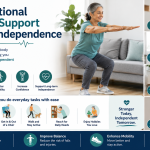
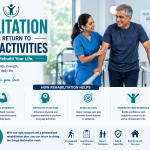
Discover how rehabilitation can improve confidence in everyday movement by rebuilding strength, balance, mobility, coordination and independence through gradual, guided recovery. Everyday movement may seem simple until an injury, surgery, illness,…
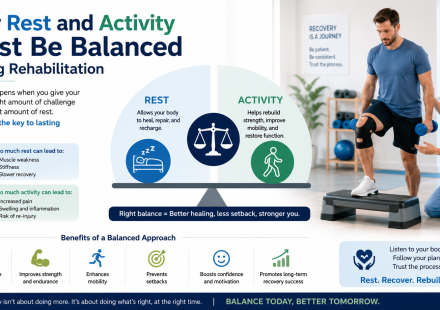
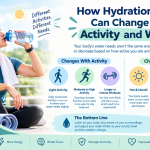
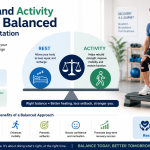
Why Rest and Activity Must Be Balanced During Rehabilitation
Learn why balancing rest and activity during rehabilitation is essential for recovery, including how proper exercise, rest, gradual progression and recovery support better physical function. Rehabilitation is a gradual process in which the body works to…
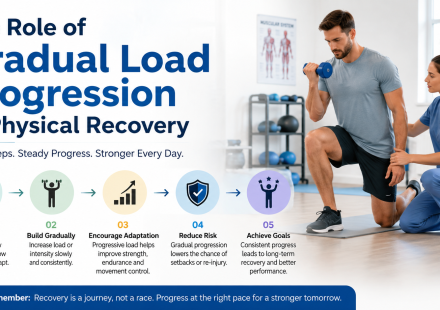
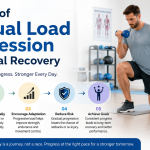
The Role of Gradual Load Progression in Physical Recovery: A Complete Guide to Safer and Stronger Rehabilitation
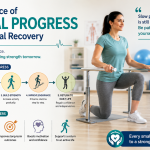
Learn how gradual load progression supports physical recovery by improving strength, mobility, endurance and function while helping the body safely adapt during rehabilitation. Physical recovery is a gradual process that requires the body to adapt to…
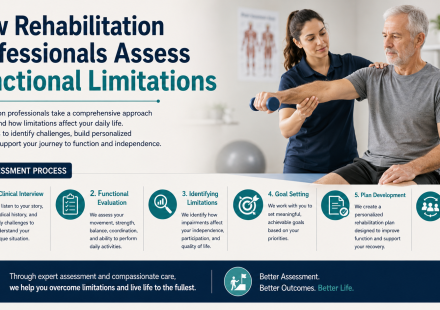
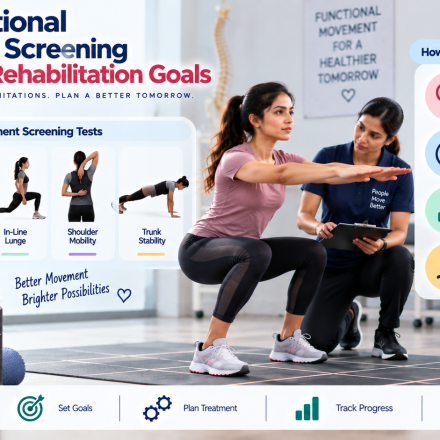
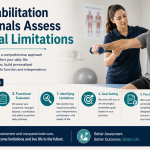
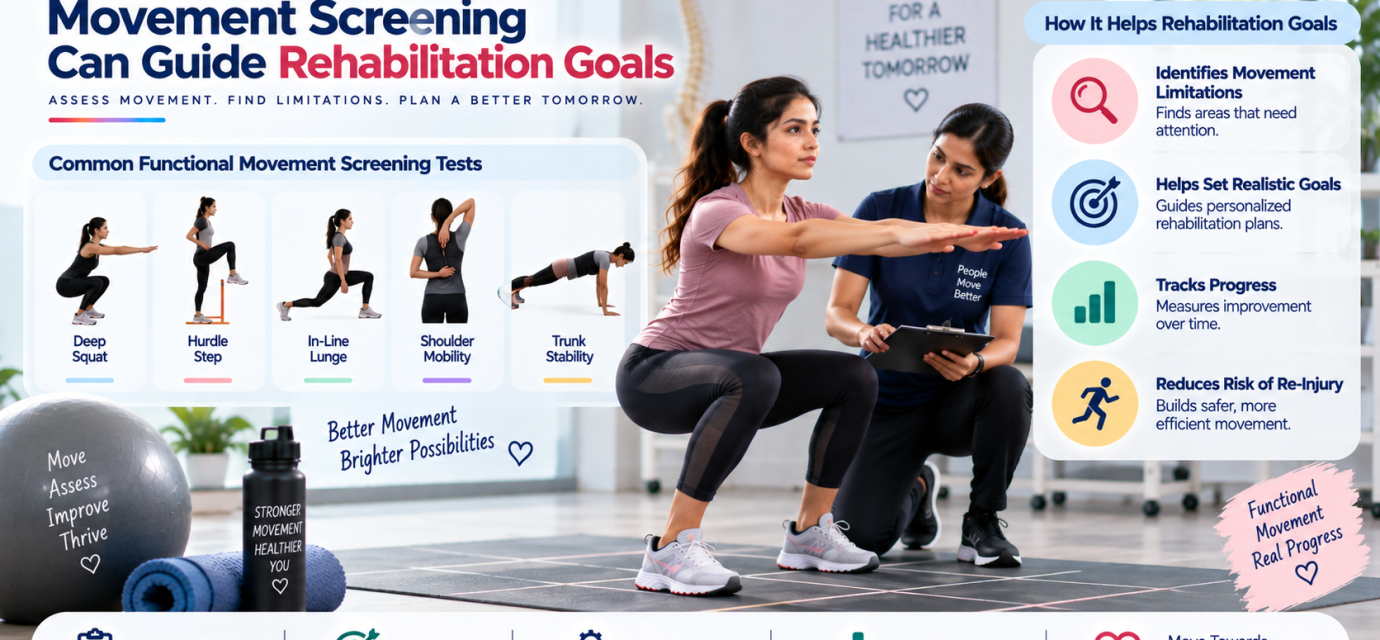
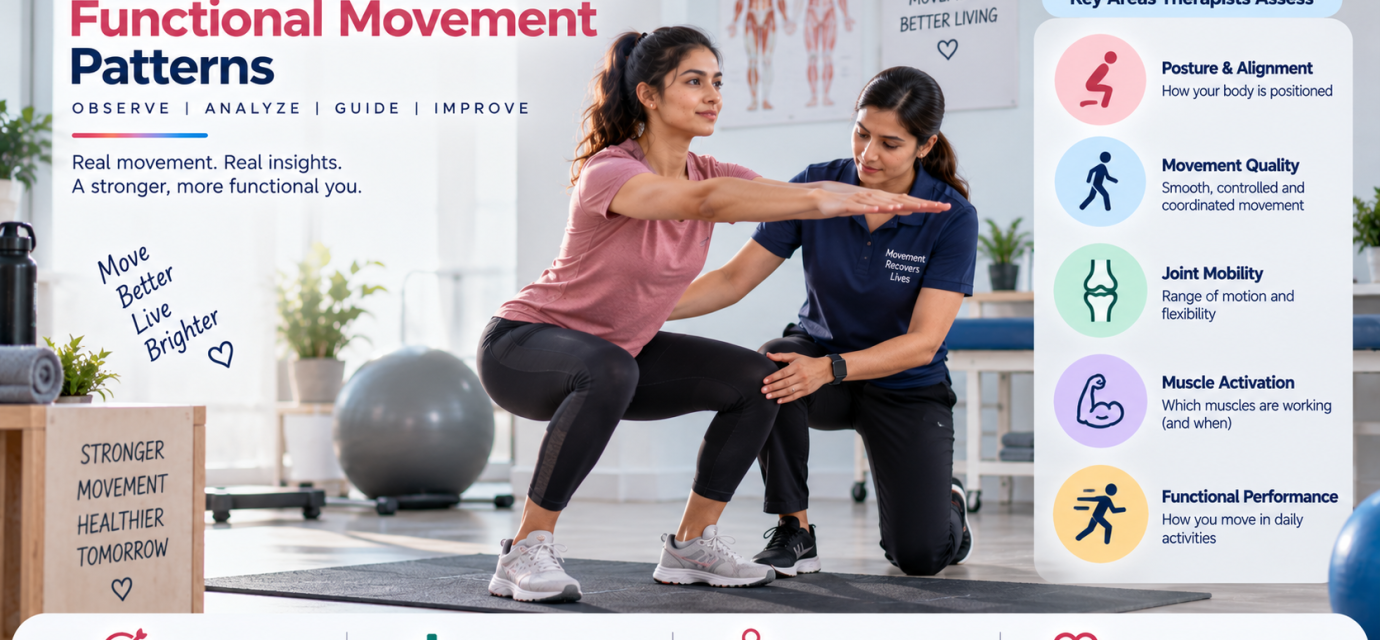
How Rehabilitation Professionals Assess Functional Limitations: A Complete Guide
Learn how rehabilitation professionals assess functional limitations, including mobility, strength, balance, endurance, daily activities and participation, to create personalized rehabilitation plans. Functional limitations can make everyday activities…
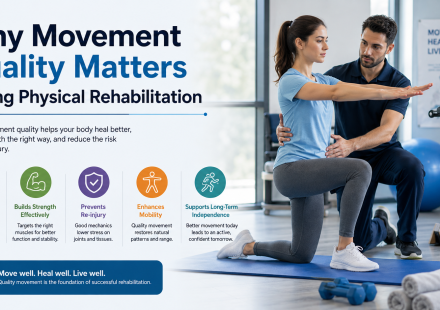
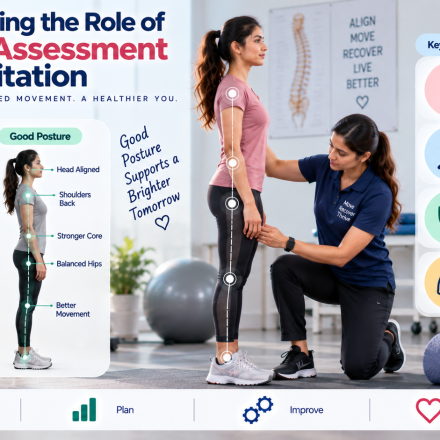
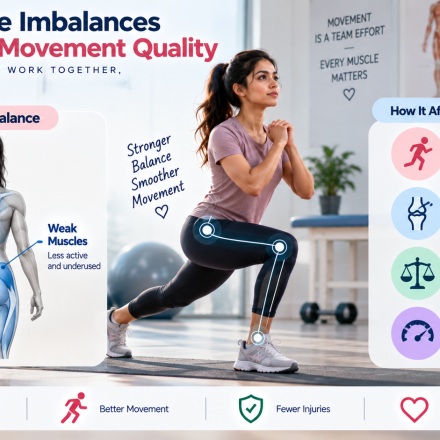
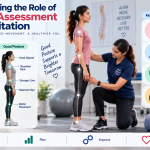
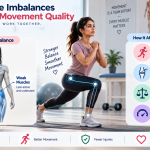
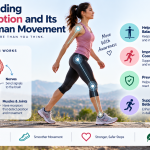
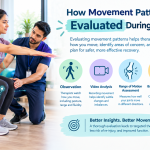
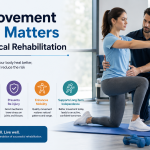
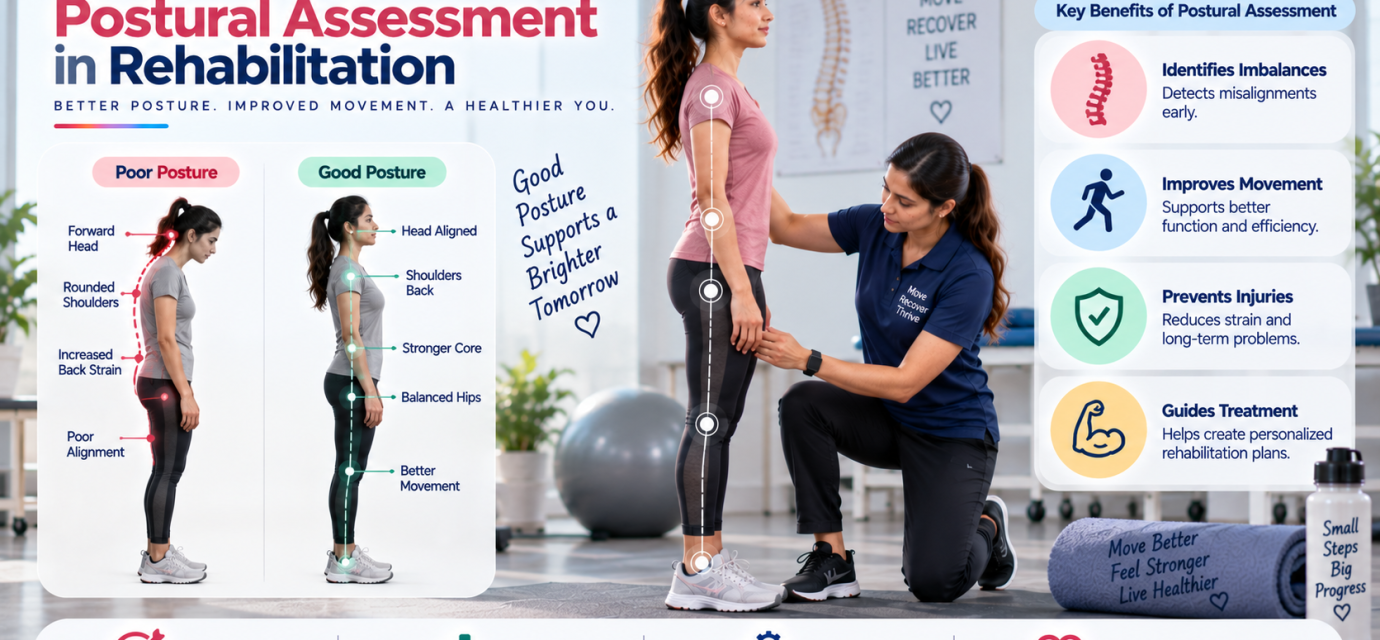
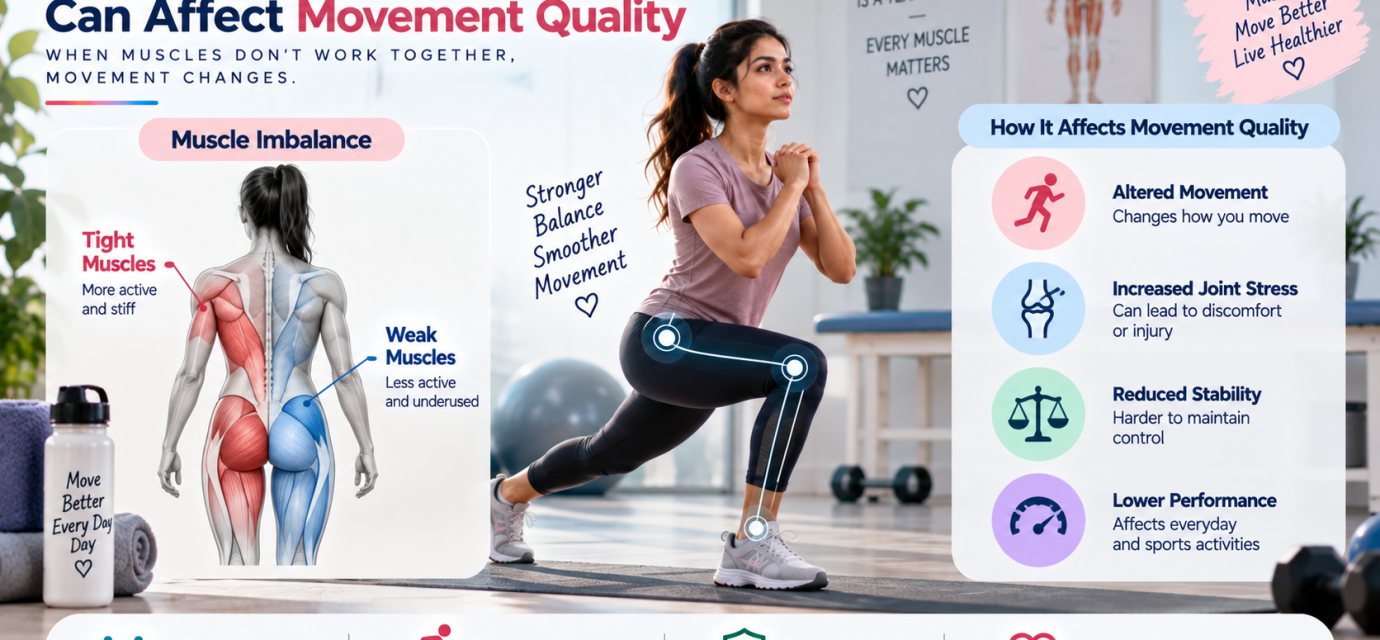
Why Movement Quality Matters During Physical Rehabilitation
Learn why movement quality matters during physical rehabilitation and how proper movement patterns can support strength, mobility, balance, safety, and long-term recovery. Physical rehabilitation is not simply about doing more exercises or becoming…