
Learn how family clinics improve community health through preventive care, early diagnosis, chronic disease management, health education, and accessible medical services.
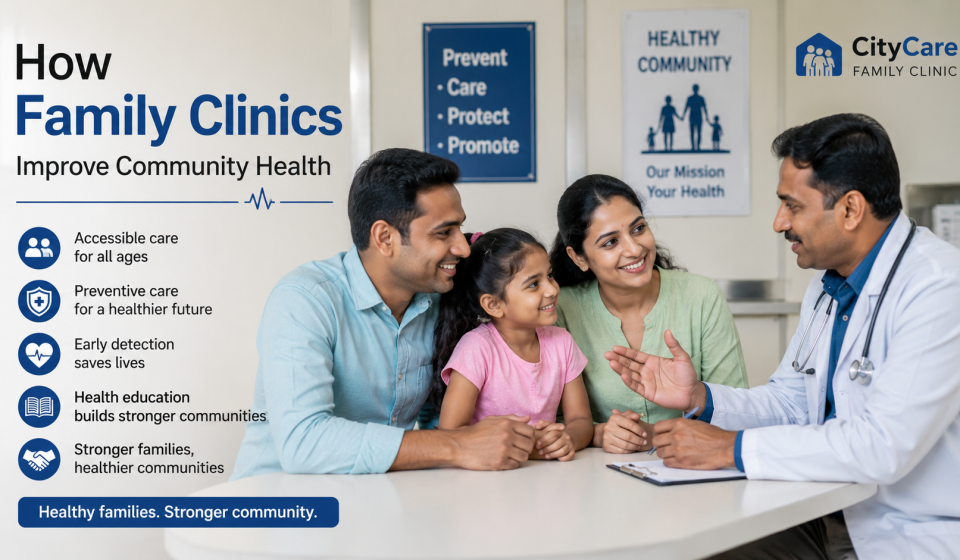
Healthy communities are built on accessible, high-quality healthcare, and family clinics play a vital role in achieving this goal. By providing comprehensive medical services for people of all ages, family clinics help prevent diseases, detect health problems early, manage chronic conditions, and promote healthier lifestyles. They serve as the first point of contact for many individuals and families seeking medical advice, routine checkups, vaccinations, and treatment for common illnesses.
Unlike healthcare facilities that focus on specific medical specialties, family clinics provide continuous care throughout every stage of life. From newborn care and childhood vaccinations to adult health screenings and senior care, they offer a wide range of services that support the well-being of entire communities. Their emphasis on preventive healthcare not only improves individual health outcomes but also reduces the burden of preventable diseases on the healthcare system.
This article explores how family clinics contribute to healthier communities and why they remain an essential part of modern healthcare.
What Is a Family Clinic?
A family clinic is a primary healthcare facility that provides comprehensive medical care for individuals and families of all ages. These clinics focus on preventive care, diagnosis, treatment, and long-term health management rather than treating illnesses alone.
Common services offered by family clinics include:
- Routine health checkups
- Preventive healthcare
- Vaccinations
- Diagnosis and treatment of common illnesses
- Chronic disease management
- Health screenings
- Health education
- Lifestyle counseling
By offering continuous care, family clinics help patients maintain good health throughout their lives.
Why Family Clinics Are Important
Family clinics provide accessible healthcare that supports both individuals and the wider community.
Their benefits include:
- Early disease detection
- Preventive healthcare services
- Affordable primary care
- Continuity of medical care
- Better management of chronic diseases
- Reduced hospital admissions
- Improved public health awareness
Accessible healthcare encourages people to seek medical attention before health problems become serious.
Promoting Preventive Healthcare
Preventive healthcare is one of the greatest contributions family clinics make to community health.
Preventive services include:
- Annual health checkups
- Blood pressure monitoring
- Diabetes screening
- Cholesterol testing
- Cancer screenings
- Vaccinations
- Nutrition counseling
- Weight management guidance
Early identification of health risks helps prevent complications and improves treatment outcomes.
Supporting Early Diagnosis
Many medical conditions develop gradually and may not cause noticeable symptoms in the early stages.
Family clinics help detect conditions such as:
- High blood pressure
- Type 2 diabetes
- High cholesterol
- Thyroid disorders
- Heart disease
- Kidney disease
- Certain cancers
Early diagnosis allows treatment to begin sooner, improving recovery and reducing long-term health complications.
Managing Chronic Diseases
Chronic diseases require regular monitoring and ongoing medical care.
Family clinics commonly manage:
- Diabetes
- Hypertension
- Asthma
- Heart disease
- Arthritis
- Thyroid disorders
Regular follow-up appointments help patients control their conditions, adjust medications when necessary, and reduce the risk of complications.
Improving Maternal and Child Health
Family clinics play an essential role in supporting mothers and children.
Healthcare services include:
- Prenatal care
- Postnatal care
- Childhood vaccinations
- Growth monitoring
- Nutrition guidance
- Developmental assessments
- Treatment of common childhood illnesses
Early healthcare during pregnancy and childhood contributes to healthier families and stronger communities.
Encouraging Vaccination
Vaccination programs protect both individuals and communities from preventable infectious diseases.
Family clinics provide guidance and immunization services for:
- Infants
- Children
- Adolescents
- Adults
- Older adults
Vaccination helps reduce the spread of infectious diseases while protecting vulnerable populations.
Promoting Healthy Lifestyle Choices
Family clinics encourage healthy habits that reduce the risk of chronic diseases.
Healthcare professionals provide advice on:
- Balanced nutrition
- Physical activity
- Weight management
- Smoking cessation
- Alcohol moderation
- Stress management
- Sleep hygiene
Health education empowers individuals to make informed lifestyle decisions.
Providing Accessible Healthcare
Easy access to medical care encourages people to seek treatment before conditions become severe.
Family clinics improve healthcare access by offering:
- Routine appointments
- Preventive services
- Follow-up care
- Management of common illnesses
- Health education
- Referrals to specialists when necessary
Accessible healthcare improves community health outcomes and reduces unnecessary emergency visits.
Supporting Mental Health
Mental well-being is an important part of overall health.
Family clinics can help identify and manage:
- Anxiety
- Depression
- Stress-related conditions
- Sleep disorders
- Emotional health concerns
Early intervention and appropriate referrals contribute to better mental health within the community.
Health Education for Communities
Education helps individuals understand how to prevent disease and maintain healthy lifestyles.
Family clinics often provide guidance on:
- Healthy eating
- Physical activity
- Personal hygiene
- Disease prevention
- Medication safety
- Family planning
- Child health
- Healthy aging
Community education encourages healthier behaviors across all age groups.
Reducing the Burden on Hospitals
Many common medical conditions can be effectively managed in family clinics without requiring hospital care.
Family clinics help reduce hospital overcrowding by:
- Treating minor illnesses
- Managing chronic diseases
- Providing preventive care
- Offering follow-up appointments
- Identifying serious conditions early
This allows hospitals to focus on patients requiring specialized or emergency treatment.
Building Long-Term Patient Relationships
One of the strengths of family clinics is continuity of care.
Healthcare providers become familiar with a patient’s:
- Medical history
- Family history
- Lifestyle habits
- Previous treatments
- Long-term health goals
These long-term relationships improve communication, trust, and personalized healthcare.
Supporting Healthy Aging
As populations age, family clinics play an increasingly important role in senior healthcare.
Services for older adults include:
- Chronic disease monitoring
- Medication reviews
- Bone health assessments
- Fall prevention advice
- Routine health screenings
- Vaccination updates
Regular care helps older adults maintain independence and quality of life.
Community Disease Prevention
Family clinics contribute to healthier communities by promoting disease prevention initiatives.
These include:
- Vaccination campaigns
- Health awareness programs
- Lifestyle counseling
- Routine screening programs
- Infection prevention education
Preventive healthcare benefits not only individual patients but the entire community.
When Should You Visit a Family Clinic?
Visit a family clinic if you need:
- Annual health checkups
- Vaccinations
- Treatment for common illnesses
- Blood pressure monitoring
- Diabetes screening
- Cholesterol testing
- Ongoing management of chronic diseases
- Preventive health advice
- Health screenings
- Referrals for specialized care
Seeking timely medical care helps prevent health problems from becoming more serious.
How Communities Benefit from Family Clinics
Strong family healthcare services improve the overall well-being of communities by:
- Increasing access to medical care
- Promoting preventive healthcare
- Detecting diseases early
- Reducing healthcare costs
- Improving public health awareness
- Supporting healthier lifestyles
- Strengthening disease prevention efforts
Healthy individuals contribute to healthier, stronger communities.
sources
https://www.who.int
https://www.nih.gov
https://medlineplus.gov
https://www.aafp.org
Conclusion
Family clinics play a vital role in improving community health by providing accessible, continuous, and preventive healthcare for people of all ages. Through routine health checkups, vaccinations, early disease detection, chronic disease management, health education, and lifestyle counseling, they help individuals maintain better health while reducing the burden of preventable illnesses. Their patient-centered approach encourages early medical intervention, healthier daily habits, and stronger long-term relationships between healthcare providers and the communities they serve.
Investing in family healthcare benefits not only individuals but society as a whole. Communities with access to quality primary healthcare experience lower rates of preventable diseases, better health outcomes, and improved quality of life. By making preventive care and regular medical visits a priority, family clinics continue to play an essential role in building healthier and more resilient communities.
FAQs
1. What services do family clinics provide?
Family clinics offer routine health checkups, preventive healthcare, vaccinations, diagnosis and treatment of common illnesses, chronic disease management, health screenings, lifestyle counseling, and referrals to specialists when needed.
2. How do family clinics improve community health?
Family clinics improve community health by promoting preventive care, detecting diseases early, managing chronic conditions, providing vaccinations, educating patients about healthy lifestyles, and increasing access to primary healthcare.
3. Why is preventive healthcare important in family clinics?
Preventive healthcare helps identify health risks before they become serious, reducing complications, lowering healthcare costs, and improving long-term health outcomes through regular screenings and healthy lifestyle guidance.
4. Can family clinics manage chronic diseases?
Yes. Family clinics commonly manage conditions such as diabetes, hypertension, asthma, thyroid disorders, arthritis, and heart disease through regular monitoring, medication management, and ongoing medical care.
5. How often should I visit a family clinic?
Most healthy adults should schedule an annual health checkup. Children should attend regular wellness visits, while individuals with chronic conditions or specific health concerns may require more frequent follow-up appointments.