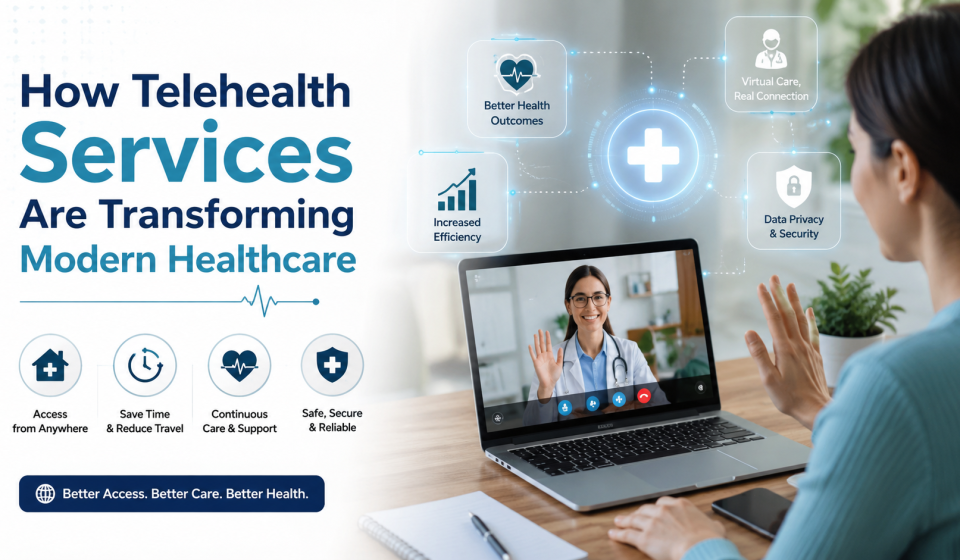

Discover how telehealth services are transforming modern healthcare by improving accessibility, reducing costs, enhancing patient care, and making healthcare more convenient for people worldwide.
Healthcare has undergone remarkable changes over the last decade, and one of the most significant advancements has been the rise of telehealth services. Telehealth, also known as telemedicine, refers to the use of digital technologies and communication tools to provide healthcare services remotely. From virtual doctor consultations and remote patient monitoring to online mental health counseling and digital prescription services, telehealth has revolutionized the way healthcare providers interact with patients.
The COVID-19 pandemic accelerated the adoption of telehealth worldwide, but its growth has continued long after the pandemic restrictions eased. Patients now expect convenient, accessible, and affordable healthcare solutions that fit into their busy lifestyles. Healthcare providers, hospitals, and clinics have also recognized the immense potential of telehealth in improving patient outcomes and expanding access to quality care.
In this article, we will explore how telehealth services are transforming modern healthcare, their benefits, challenges, technologies involved, and what the future holds for this rapidly evolving healthcare model.
What Are Telehealth Services?
Telehealth services involve the delivery of healthcare using telecommunications technologies such as smartphones, computers, tablets, video conferencing platforms, wearable devices, and remote monitoring tools. Unlike traditional healthcare visits that require physical presence, telehealth enables patients and healthcare professionals to connect virtually.
Telehealth services typically include:
- Video consultations with doctors and specialists
- Telephone-based medical consultations
- Remote patient monitoring
- Digital prescriptions and medication management
- Mental health counseling and therapy sessions
- Chronic disease management programs
- Online follow-up appointments
- Health education and wellness coaching
These services allow patients to receive medical care from the comfort of their homes while reducing the need for unnecessary travel and hospital visits.
The Growing Importance of Telehealth in Modern Healthcare
Modern healthcare systems face numerous challenges, including increasing patient populations, physician shortages, rising healthcare costs, and unequal access to healthcare facilities. Telehealth has emerged as a practical solution to many of these problems.
In countries like India, where rural populations often struggle to access specialist care, telehealth bridges the gap between patients and healthcare providers. Patients living in remote villages can now consult experienced doctors located hundreds of kilometers away without leaving their hometowns.
Similarly, urban patients benefit from reduced waiting times, easier appointment scheduling, and improved convenience. Telehealth has become an essential component of patient-centered healthcare delivery.
Improved Access to Healthcare Services
One of the greatest advantages of telehealth is its ability to improve access to healthcare services.
Rural and Remote Areas
Many rural communities face a shortage of healthcare professionals and medical facilities. Patients often travel long distances for consultations, diagnostic tests, or specialist appointments. Telehealth eliminates geographical barriers by connecting patients with healthcare providers through digital platforms.
For example, a patient living in a remote village in Gujarat can consult a cardiologist in Ahmedabad through a video consultation without spending hours traveling.
Elderly and Disabled Patients
Older adults and individuals with physical disabilities often face challenges in visiting hospitals regularly. Telehealth provides a convenient alternative, allowing them to receive ongoing care from home while minimizing physical strain.
Access to Specialists
Telehealth enables patients to access highly specialized healthcare services that may not be available locally. Specialists can evaluate patients remotely, review reports, and provide treatment recommendations efficiently.
Increased Convenience and Patient Satisfaction
Healthcare appointments traditionally involve travel time, waiting rooms, paperwork, and scheduling difficulties. Telehealth significantly improves the patient experience.
Benefits include:
- Flexible appointment scheduling
- Reduced travel expenses
- Shorter waiting times
- Access to healthcare from home
- Easier follow-up appointments
- Reduced work absences
For busy professionals, parents, and students, telehealth offers an efficient way to receive medical care without disrupting their daily routines.
Studies have shown that many patients report high satisfaction levels with telehealth services due to their convenience and accessibility.
Cost Reduction in Healthcare
Healthcare expenses continue to rise globally. Telehealth helps reduce costs for both patients and healthcare providers.
Savings for Patients
Patients save money through:
- Reduced transportation costs
- Fewer hospital visits
- Lower childcare expenses
- Less time away from work
- Reduced emergency room utilization
Savings for Healthcare Systems
Healthcare providers also benefit through:
- Lower operational costs
- Reduced hospital overcrowding
- Better resource allocation
- Fewer missed appointments
- Improved efficiency
For example, remote consultations often cost less than traditional in-person visits while maintaining high standards of care.
Remote Patient Monitoring and Chronic Disease Management
Remote patient monitoring (RPM) is among the most transformative aspects of telehealth.
Patients with chronic conditions such as:
- Diabetes
- Hypertension
- Heart disease
- Asthma
- COPD
- Kidney disease
can use digital monitoring devices to track their health data continuously.
Examples of monitoring tools include:
- Blood pressure monitors
- Glucose monitors
- Pulse oximeters
- Smartwatches
- ECG monitoring devices
- Wearable fitness trackers
Healthcare providers can review patient data remotely, identify warning signs early, and intervene before complications develop.
For instance, a diabetic patient’s glucose levels can be monitored daily, allowing physicians to adjust treatment plans quickly and prevent hospital admissions.
Telehealth and Mental Health Services
Mental healthcare has experienced significant improvements through telehealth services.
Many individuals avoid seeking mental health support due to:
- Social stigma
- Transportation barriers
- Busy schedules
- Lack of local specialists
Telepsychiatry and online counseling platforms have made mental health services more accessible than ever.
Patients can receive treatment for:
- Anxiety disorders
- Depression
- Stress management
- Relationship issues
- Trauma
- Substance abuse
- Behavioral disorders
Virtual mental health consultations often provide a more comfortable environment for patients, encouraging them to seek help earlier.
Better Healthcare During Emergencies and Pandemics
The COVID-19 pandemic demonstrated the critical importance of telehealth.
During lockdowns and periods of social distancing, telehealth allowed healthcare providers to:
- Continue patient consultations
- Monitor infected individuals remotely
- Reduce hospital crowding
- Protect healthcare workers
- Maintain continuity of care
Even beyond pandemics, telehealth remains valuable during:
- Natural disasters
- Severe weather conditions
- Public health emergencies
- Travel restrictions
Healthcare systems can continue functioning effectively despite external disruptions.
Integration of Artificial Intelligence and Telehealth
Artificial intelligence (AI) is further enhancing telehealth capabilities.
AI technologies support telehealth through:
Virtual Health Assistants
AI chatbots can:
- Answer patient questions
- Schedule appointments
- Provide medication reminders
- Offer health education
Clinical Decision Support
AI systems assist healthcare professionals by:
- Analyzing medical data
- Identifying disease patterns
- Supporting diagnosis
- Predicting health risks
Predictive Analytics
Advanced algorithms can identify patients at high risk for complications, allowing early intervention and preventive care.
As AI technology continues to evolve, telehealth services will become increasingly accurate, personalized, and efficient.
Telehealth in Preventive Healthcare
Preventive care plays a vital role in maintaining long-term health.
Telehealth supports preventive healthcare by providing:
- Regular wellness check-ups
- Lifestyle counseling
- Nutrition guidance
- Smoking cessation programs
- Weight management coaching
- Exercise recommendations
- Vaccination reminders
Healthcare providers can engage patients more frequently and encourage healthy behaviors before serious illnesses develop.
For example, individuals at risk for diabetes can participate in virtual lifestyle coaching programs that help prevent disease progression.
Electronic Health Records and Digital Healthcare Integration
Modern telehealth systems integrate seamlessly with electronic health records (EHRs).
This integration offers several advantages:
- Immediate access to patient history
- Improved treatment coordination
- Better communication between providers
- Reduced paperwork
- Enhanced patient safety
- More accurate diagnoses
Patients also benefit from digital health portals where they can:
- View laboratory reports
- Access prescriptions
- Schedule appointments
- Communicate with physicians
- Monitor health progress
The result is a more connected and efficient healthcare ecosystem.
Challenges Facing Telehealth Services
Despite its many advantages, telehealth also faces several challenges.
Technology Limitations
Some patients lack access to:
- High-speed internet
- Smartphones
- Computers
- Digital literacy skills
Privacy and Security Concerns
Healthcare organizations must ensure:
- Patient data protection
- Secure communication platforms
- Compliance with healthcare regulations
- Prevention of cyberattacks
Clinical Limitations
Certain medical conditions still require:
- Physical examinations
- Diagnostic imaging
- Laboratory testing
- Surgical procedures
Telehealth complements traditional healthcare rather than completely replacing it.
Regulatory and Insurance Issues
Different countries have varying regulations regarding:
- Telemedicine licensing
- Reimbursement policies
- Data privacy requirements
- Cross-border consultations
Addressing these challenges remains essential for sustainable telehealth growth.
The Future of Telehealth
The future of telehealth appears exceptionally promising.
Emerging innovations include:
- AI-powered diagnostics
- Virtual reality therapy
- Augmented reality consultations
- Advanced wearable technologies
- Remote robotic procedures
- Personalized digital healthcare platforms
- Continuous health monitoring systems
Experts predict that hybrid healthcare models combining in-person and virtual care will become the standard approach in modern medicine.
Healthcare providers will increasingly use telehealth not only for treatment but also for prevention, education, monitoring, and long-term disease management.
Sources
https://l1nq.com/qcdtbat
https://sl1nk.com/5tknaz2
Conclusion
Telehealth services have fundamentally transformed modern healthcare by making medical care more accessible, convenient, affordable, and patient-centered. From virtual consultations and remote monitoring to mental health support and preventive care, telehealth has expanded healthcare opportunities for millions of people worldwide.
Although challenges such as technology access, privacy concerns, and regulatory issues remain, ongoing advancements in digital health technologies continue to strengthen the effectiveness of telehealth services. As artificial intelligence, wearable devices, and digital healthcare platforms evolve, telehealth will play an even more critical role in shaping the future of healthcare delivery.
Rather than replacing traditional healthcare entirely, telehealth represents a powerful complement that enhances the quality, efficiency, and accessibility of medical care. The transformation of healthcare through telehealth is not merely a temporary trend—it is the future of medicine itself.
Frequently Asked Questions (FAQs)
1. What is the difference between telehealth and telemedicine?
Telemedicine primarily refers to remote clinical services provided by healthcare professionals, while telehealth is a broader term that includes clinical care, health education, remote monitoring, and administrative healthcare services.
2. Is telehealth safe and secure?
Yes. Most healthcare organizations use encrypted and secure platforms that comply with healthcare privacy regulations to protect patient information.
3. Which medical conditions can be treated through telehealth?
Many conditions can be managed through telehealth, including diabetes, hypertension, mental health disorders, minor infections, follow-up care, and preventive health services.
4. Does telehealth replace traditional doctor visits?
No. Telehealth complements traditional healthcare services. Some conditions still require physical examinations, diagnostic tests, and in-person treatment.
5. What technologies are commonly used in telehealth?
Common telehealth technologies include video conferencing platforms, smartphones, wearable devices, remote monitoring tools, electronic health records, and AI-powered healthcare applications.