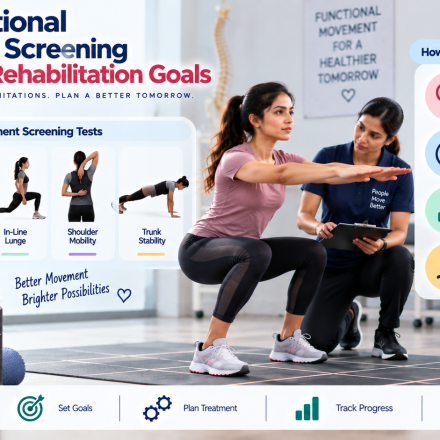















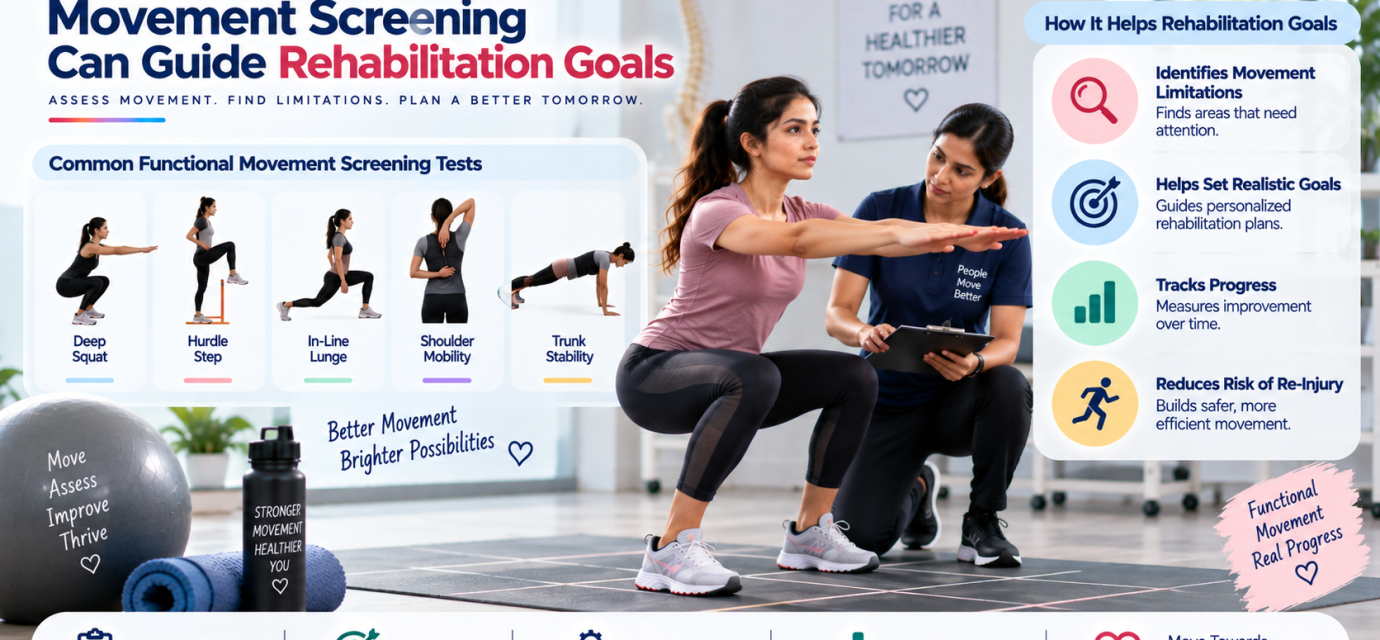

Why Functional Movement Screening Can Guide Rehabilitation Goals
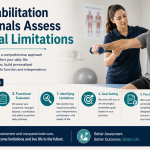
Discover how functional movement screening can guide rehabilitation goals by identifying movement limitations, improving exercise selection, tracking progress, and supporting individualized recovery plans. Functional movement screening can provide…
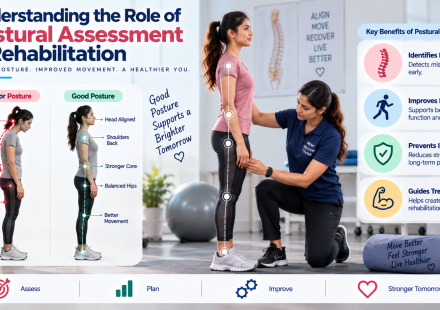
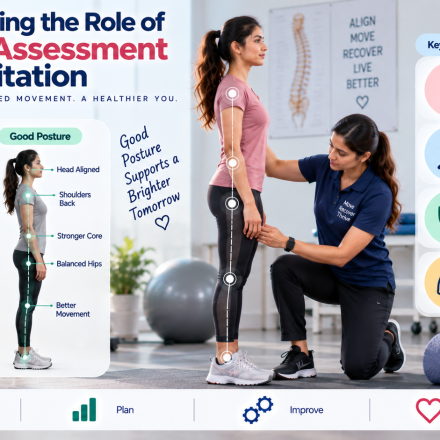
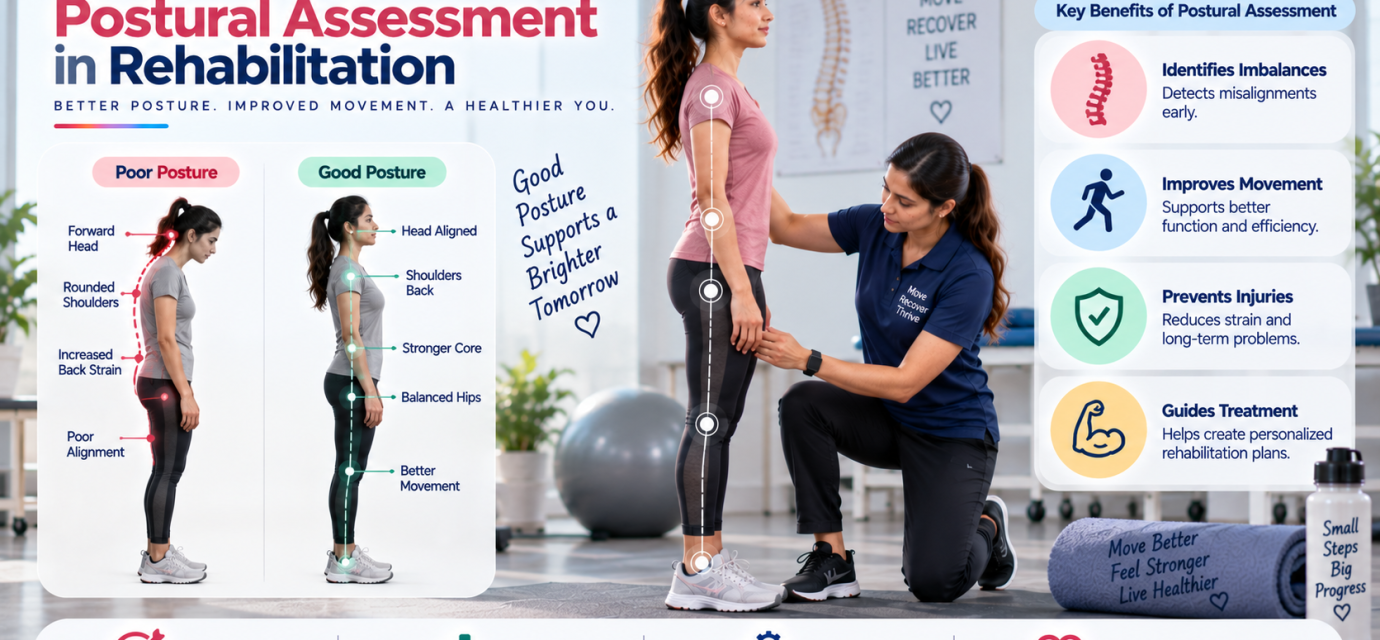
Understanding the Role of Postural Assessment in Rehabilitation
Learn why postural assessment is important in rehabilitation, how professionals evaluate posture, what tools are used, and how posture assessment can support movement, treatment planning, and functional recovery. Posture influences how the body positions…
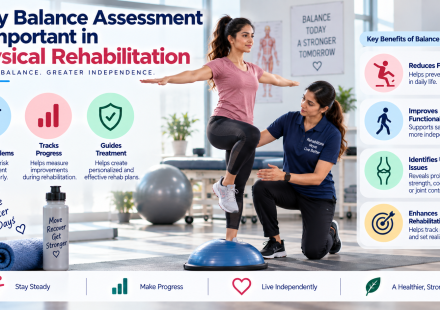
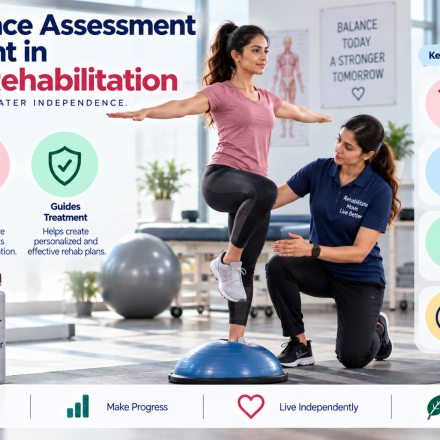
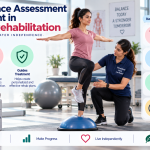
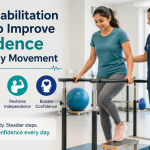
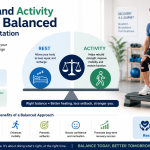
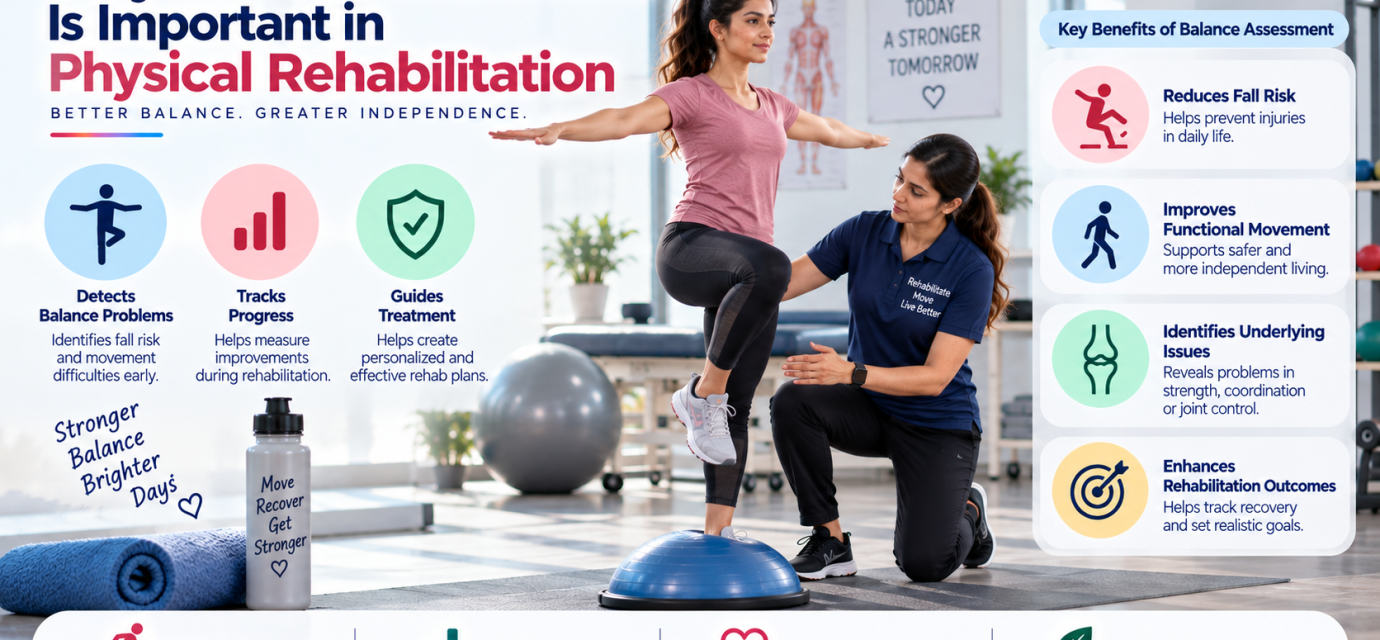
Why Balance Assessment Is Important in Physical Rehabilitation
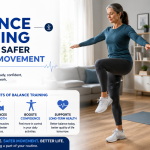
Discover why balance assessment is important in physical rehabilitation, how therapists evaluate balance, common balance tests, and how assessment helps improve mobility, safety, independence, and recovery. Balance is an essential part of everyday…
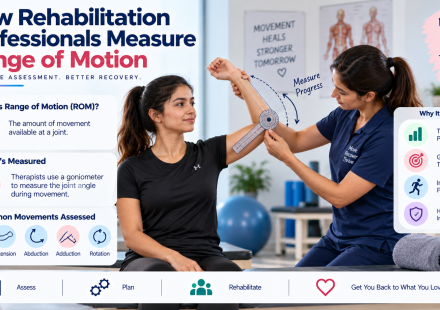
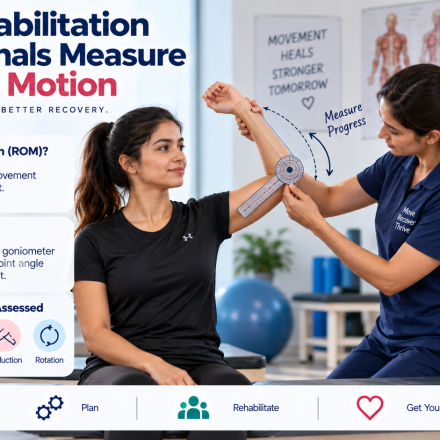
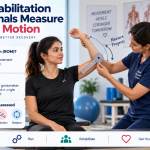
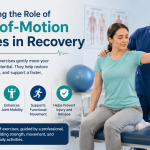
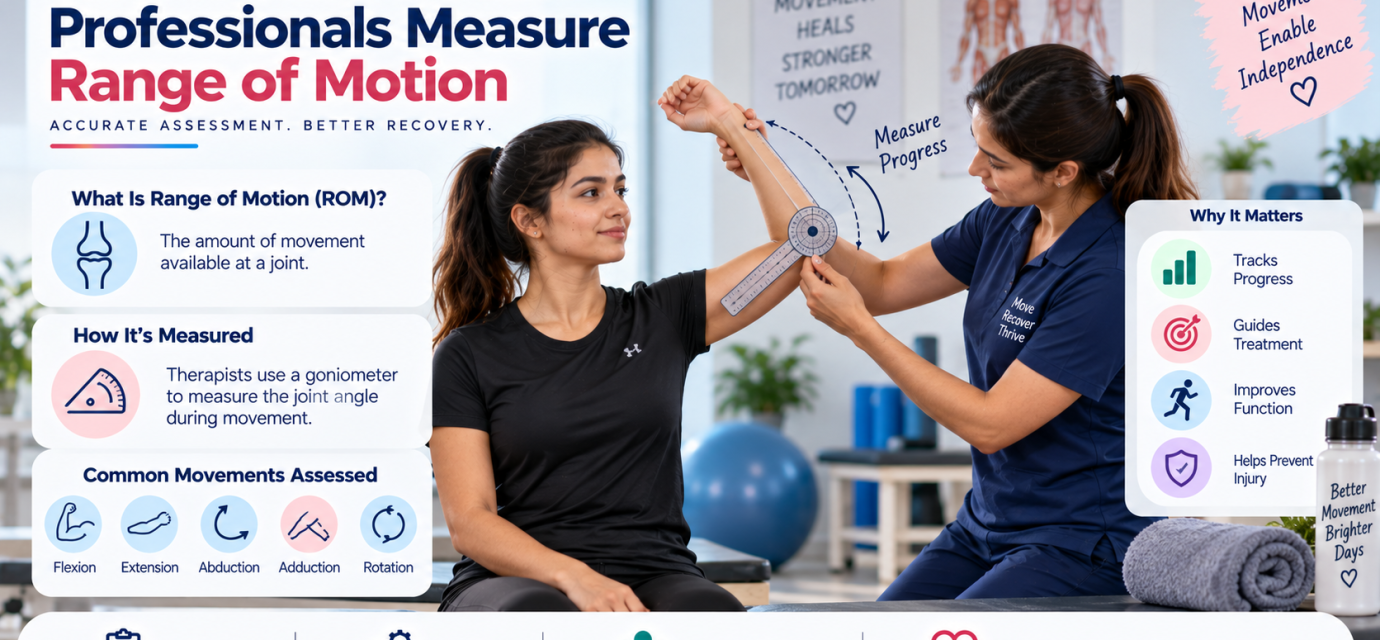
How Rehabilitation Professionals Measure Range of Motion
Learn how rehabilitation professionals measure range of motion using goniometers, inclinometers, observation, and digital tools. Discover active and passive ROM, assessment steps, accuracy, and its role in recovery. Range of motion, commonly called ROM,…
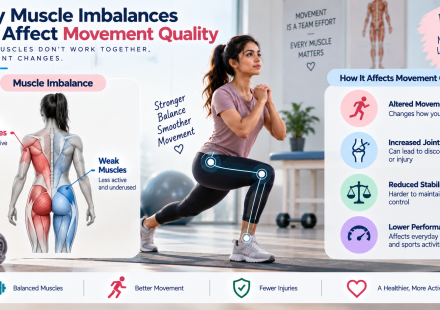
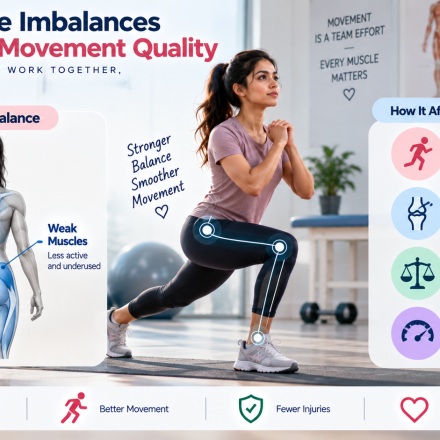
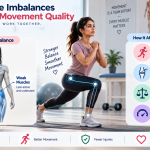
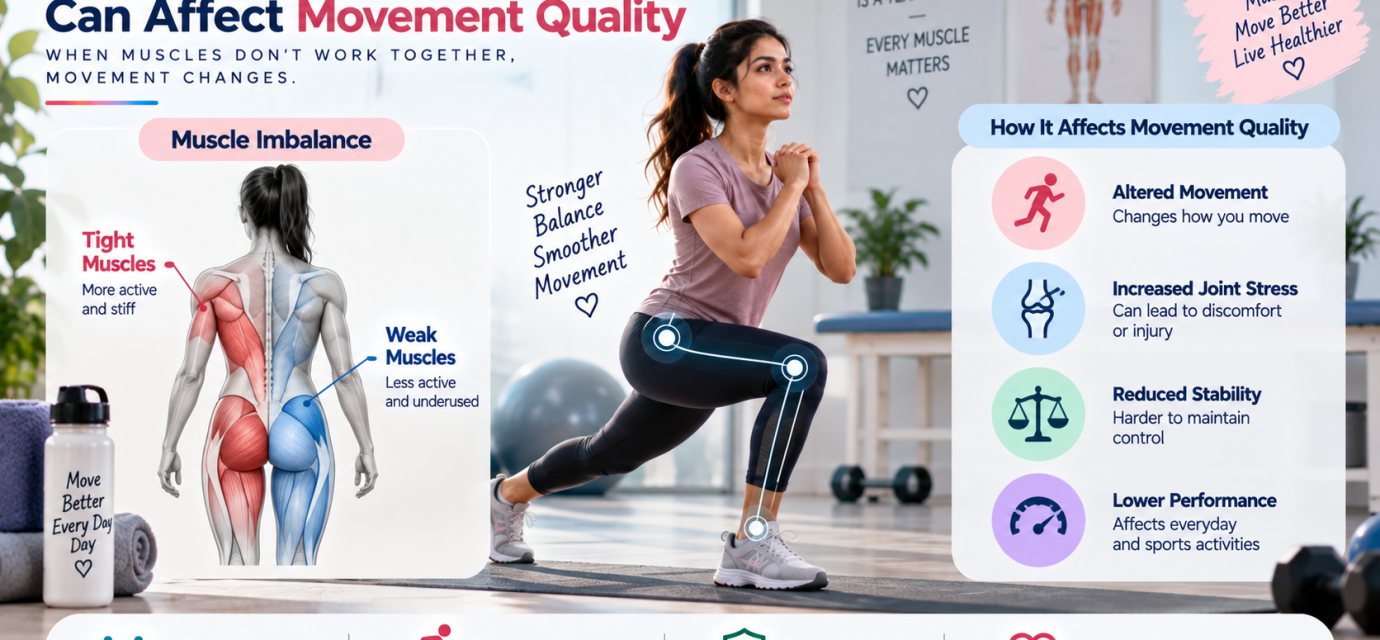
How Muscle Imbalances Affect Movement Quality: Causes, Signs, Effects and Ways to Improve Muscle Balance
Discover how muscle imbalances can affect movement quality, posture, balance, coordination, strength, and everyday mobility. Learn the common causes, warning signs, assessment methods, and practical ways to improve muscle balance. Muscle balance plays an…
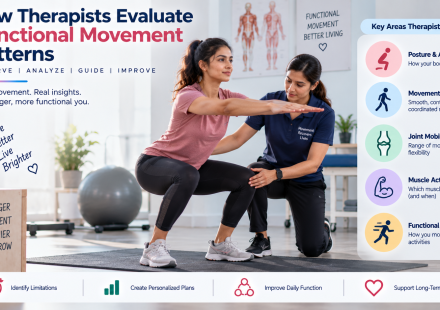
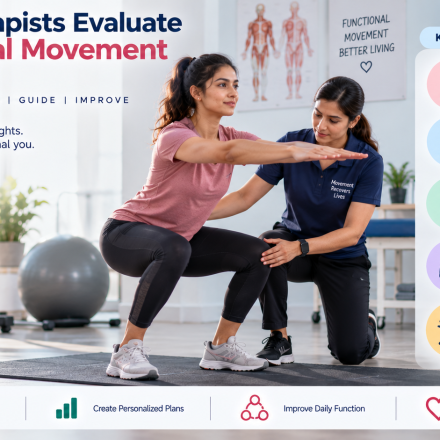
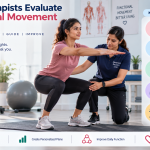
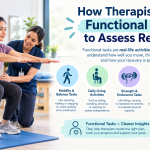
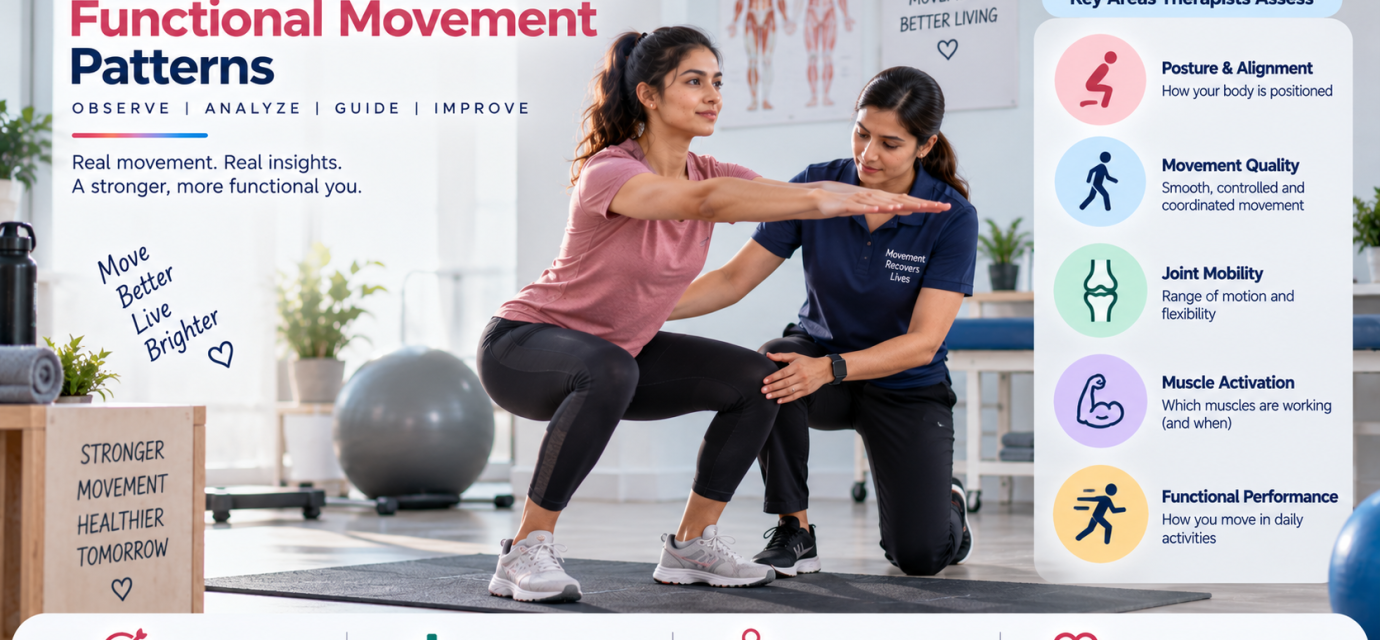
How Therapists Evaluate Functional Movement Patterns: A Complete Guide to Movement Assessment in Rehabilitation
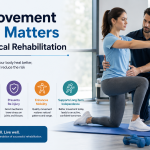
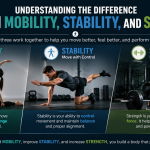
Learn how therapists evaluate functional movement patterns, including posture, mobility, strength, balance, coordination, gait, and movement strategies, to create personalized rehabilitation plans. Human movement is more than the ability to move a single…
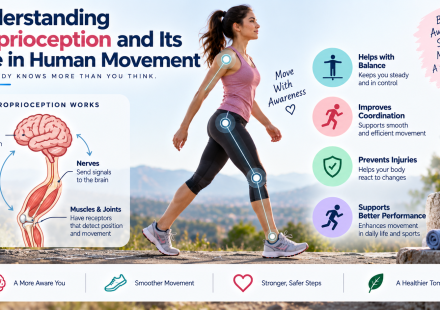
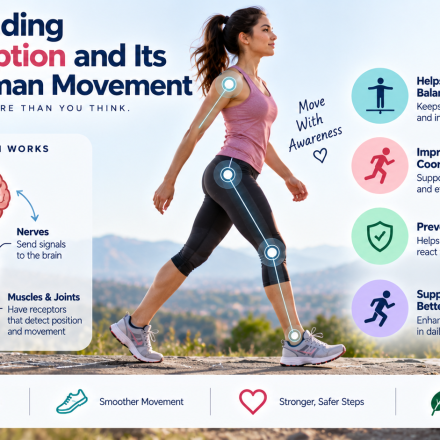
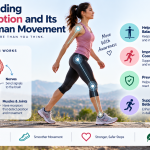
Understanding Proprioception: How Your Body Knows Where It Is and Why It Matters for Movement
Learn what proprioception is, how it helps the body sense position and movement, and why proprioception is essential for balance, coordination, rehabilitation, sports performance, and everyday activities. Have you ever closed your eyes and still known…
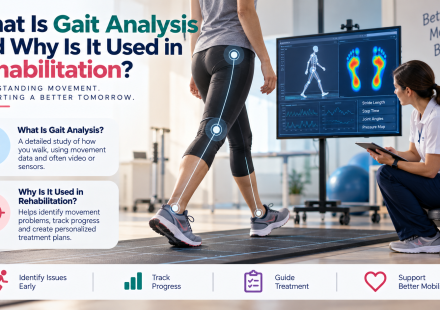
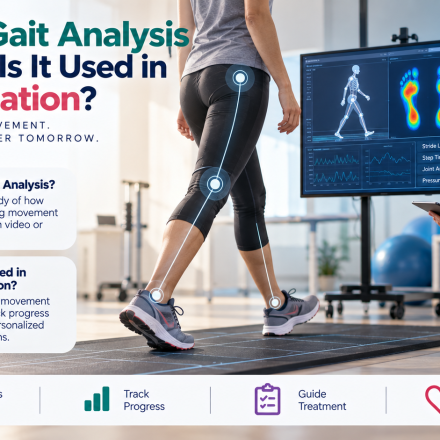
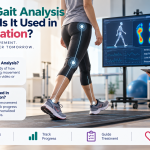
What Is Gait Analysis and Why Is It Used in Rehabilitation? A Complete Guide to Walking Assessment and Recovery
Learn what gait analysis is, how walking patterns are assessed, what gait parameters are measured, and why gait analysis is important for rehabilitation, physical therapy, balance, mobility, and recovery. Walking is one of the most important movements…
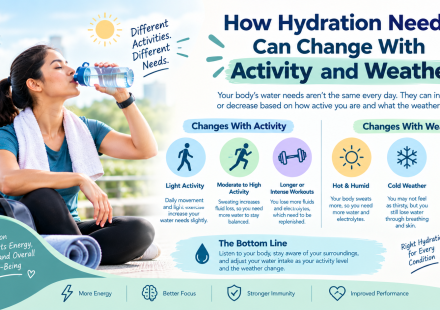
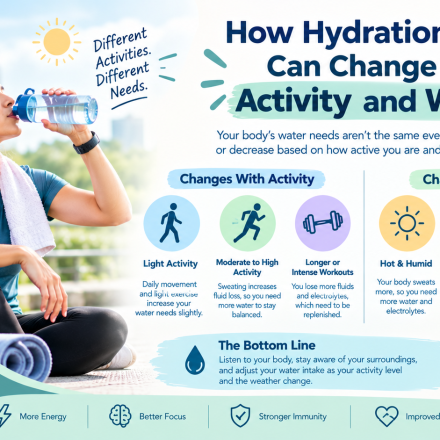
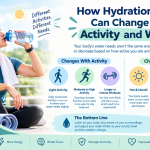
How Hydration Needs Change With Activity and Weather: A Complete Guide to Staying Properly Hydrated
Learn how hydration needs change with physical activity, hot and cold weather, humidity, exercise duration, and daily routines, plus practical ways to maintain healthy hydration. Hydration is an essential part of maintaining normal body function, but the…
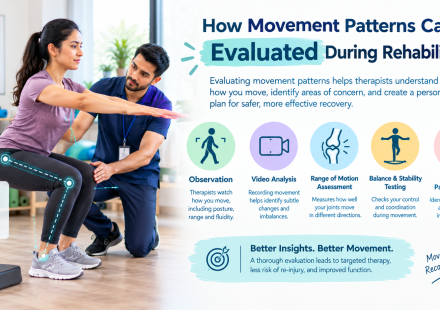
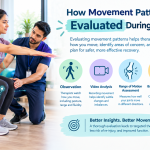
How Movement Patterns Are Evaluated During Rehabilitation: A Complete Guide to Functional Movement Assessment
Learn how movement patterns are evaluated during rehabilitation, including posture, balance, gait, coordination, strength, mobility, and functional tasks used to understand recovery and guide treatment. Movement is an important part of everyday life,…