
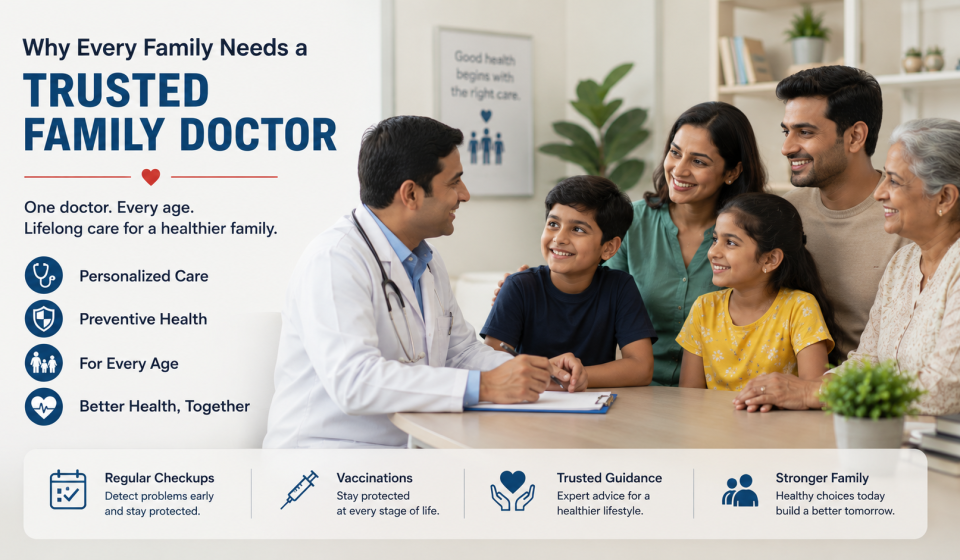

Discover why every family needs a trusted family doctor for preventive care, early diagnosis, chronic disease management, and lifelong healthcare for every age.
A trusted family doctor is one of the most valuable partners in maintaining lifelong health. Rather than treating illnesses only when they occur, a family doctor provides continuous, comprehensive medical care for individuals of all ages—from young children and adults to older family members. They understand your family’s medical history, monitor changes in health over time, and offer personalized guidance that supports long-term well-being.
Having a trusted healthcare professional means you always have someone to turn to for routine checkups, vaccinations, common illnesses, chronic disease management, and preventive care. This ongoing relationship allows health concerns to be identified early, making treatment more effective and helping prevent serious complications.
In today’s fast-paced world, many people delay medical care until symptoms become severe. However, regular visits to a trusted family doctor encourage early diagnosis, healthy lifestyle choices, and better disease prevention. This article explains why every family benefits from having a trusted family doctor and how this relationship contributes to better health at every stage of life.
What Is a Family Doctor?
A family doctor is a primary care physician trained to diagnose, treat, and manage a wide range of medical conditions affecting people of all ages. Unlike specialists who focus on a single body system, family doctors provide comprehensive healthcare and coordinate medical care whenever specialist treatment is required.
A family doctor provides:
- Preventive healthcare
- Routine medical checkups
- Diagnosis and treatment of common illnesses
- Chronic disease management
- Vaccinations
- Health screenings
- Lifestyle counseling
- Specialist referrals when necessary
Their goal is to provide continuous, patient-centered care throughout every stage of life.
Why Every Family Needs a Trusted Family Doctor
A long-term relationship with a family doctor offers many health benefits beyond treating occasional illnesses.
Advantages include:
- Personalized medical care
- Better understanding of family medical history
- Early disease detection
- Continuous healthcare support
- Improved management of chronic conditions
- Preventive healthcare guidance
- Faster access to medical advice
Consistent medical care helps families make informed health decisions and maintain better overall wellness.
Personalized Healthcare for Every Family Member
Every individual has unique health needs based on age, medical history, lifestyle, and family history.
A trusted family doctor provides personalized care by considering:
- Current health conditions
- Previous illnesses
- Medications
- Family history of disease
- Lifestyle habits
- Individual health goals
This personalized approach allows for more accurate diagnosis and effective treatment planning.
Early Detection of Health Problems
Many health conditions develop gradually without noticeable symptoms.
Regular visits to a family doctor help detect:
- High blood pressure
- Type 2 diabetes
- High cholesterol
- Thyroid disorders
- Kidney disease
- Heart disease
- Certain cancers
Early diagnosis often leads to more effective treatment, fewer complications, and better long-term health outcomes.
Preventive Healthcare
One of the greatest benefits of having a trusted family doctor is preventive healthcare.
Preventive services may include:
- Annual health checkups
- Blood pressure monitoring
- Blood sugar testing
- Cholesterol screening
- Cancer screenings
- Vaccinations
- Weight management
- Nutrition counseling
Preventive healthcare reduces the risk of many chronic illnesses and supports lifelong wellness.
Managing Chronic Diseases
Millions of people live with chronic health conditions that require ongoing medical supervision.
A family doctor helps manage conditions such as:
- Diabetes
- Hypertension
- Asthma
- Heart disease
- Thyroid disorders
- Arthritis
Regular follow-up appointments help monitor progress, adjust medications, and reduce the risk of complications.
Healthcare for Children
Children experience rapid physical and emotional development.
A family doctor supports children’s health by providing:
- Growth monitoring
- Developmental assessments
- Childhood vaccinations
- Nutrition advice
- Treatment of common childhood illnesses
- Vision and hearing evaluations
Regular pediatric care promotes healthy development and identifies concerns early.
Healthcare for Adults
Adults often face busy schedules that lead them to postpone medical appointments.
Routine visits help monitor:
- Blood pressure
- Blood sugar
- Cholesterol
- Weight
- Mental health
- Lifestyle-related health risks
Preventive care helps adults maintain good health even when they feel well.
Supporting Healthy Aging
Healthcare needs evolve as people grow older.
Family doctors help older adults by:
- Monitoring chronic diseases
- Reviewing medications
- Assessing memory and cognitive health
- Evaluating bone health
- Recommending preventive screenings
- Supporting mobility and fall prevention
Regular monitoring improves quality of life and encourages healthy aging.
Understanding Your Family Medical History
Family history plays an important role in determining disease risk.
Your family doctor keeps track of conditions such as:
- Diabetes
- Heart disease
- High blood pressure
- Cancer
- Thyroid disorders
- Stroke
- Kidney disease
Knowing your family history allows earlier screening and personalized preventive care.
Building Trust Through Long-Term Care
One of the biggest advantages of having a trusted family doctor is continuity of care.
Over time, your doctor becomes familiar with:
- Your medical history
- Lifestyle habits
- Allergies
- Previous treatments
- Personal health concerns
This long-term relationship encourages open communication and makes it easier to discuss sensitive health issues.
Mental Health Support
Family doctors care for emotional well-being as well as physical health.
They can help identify and manage:
- Stress
- Anxiety
- Depression
- Sleep disorders
- Emotional health concerns
When specialized care is needed, they can coordinate referrals to mental health professionals.
Vaccinations Throughout Life
Vaccinations remain important throughout adulthood.
A family doctor helps ensure your family stays protected against preventable diseases by recommending vaccines based on:
- Age
- Medical conditions
- Occupation
- Pregnancy
- Travel plans
Keeping vaccinations current protects individuals and the community.
Health Education and Lifestyle Guidance
Family doctors help patients make healthier everyday choices.
They provide guidance on:
- Healthy eating
- Exercise
- Weight management
- Smoking cessation
- Alcohol moderation
- Stress management
- Sleep hygiene
Small lifestyle improvements can significantly reduce future health risks.
Coordinating Specialist Care
Sometimes specialized medical care is necessary.
Your family doctor can:
- Evaluate symptoms
- Order initial investigations
- Refer you to appropriate specialists
- Coordinate follow-up care
- Monitor your recovery
This coordination helps ensure seamless healthcare and avoids unnecessary delays in treatment.
When Should You Visit Your Family Doctor?
Schedule an appointment if you experience:
- Persistent fever
- Ongoing cough
- Chest pain
- Difficulty breathing
- Persistent fatigue
- Unexplained weight changes
- Frequent headaches
- Digestive problems
- Skin changes
- Mental health concerns
You should also schedule annual health checkups even if you feel healthy.
Tips for Choosing a Trusted Family Doctor
When selecting a family doctor, consider:
- Medical qualifications
- Experience
- Good communication skills
- Accessibility
- Preventive healthcare approach
- Comfortable doctor-patient relationship
- Positive reputation
A trusted healthcare provider should make you feel comfortable discussing your health concerns.
Sources
https://www.who.int
https://www.nih.gov
Conclusion
A trusted family doctor is much more than someone who treats illnesses—they are a lifelong partner in protecting your family’s health. Through preventive care, early diagnosis, routine health checkups, chronic disease management, vaccinations, and personalized medical guidance, family doctors help individuals stay healthier at every stage of life. Their understanding of your medical history and long-term relationship with your family allows them to provide consistent, high-quality care tailored to your unique needs.
Choosing a trusted family doctor is one of the most important healthcare decisions you can make. Regular visits not only help detect health problems early but also encourage healthier lifestyles and better disease prevention. By building a strong relationship with a family doctor, your family can enjoy greater peace of mind, improved health outcomes, and a healthier future together.
FAQs
1. What does a family doctor do?
A family doctor provides comprehensive healthcare for people of all ages, including routine checkups, preventive care, diagnosis and treatment of common illnesses, chronic disease management, vaccinations, and health education.
2. Why is having a trusted family doctor important?
A trusted family doctor understands your medical history, provides personalized healthcare, detects diseases early, manages chronic conditions, and offers continuous medical support throughout every stage of life.
3. How often should my family visit a family doctor?
Most healthy adults should have an annual health checkup. Children should follow recommended wellness schedules, while older adults and individuals with chronic conditions may require more frequent visits.
4. Can a family doctor manage chronic diseases?
Yes. Family doctors regularly manage conditions such as diabetes, hypertension, asthma, thyroid disorders, arthritis, and heart disease while coordinating specialist care when needed.
5. Can a family doctor refer patients to specialists?
Yes. If advanced or specialized treatment is necessary, a family doctor can refer patients to the appropriate specialist while continuing to coordinate overall healthcare.