
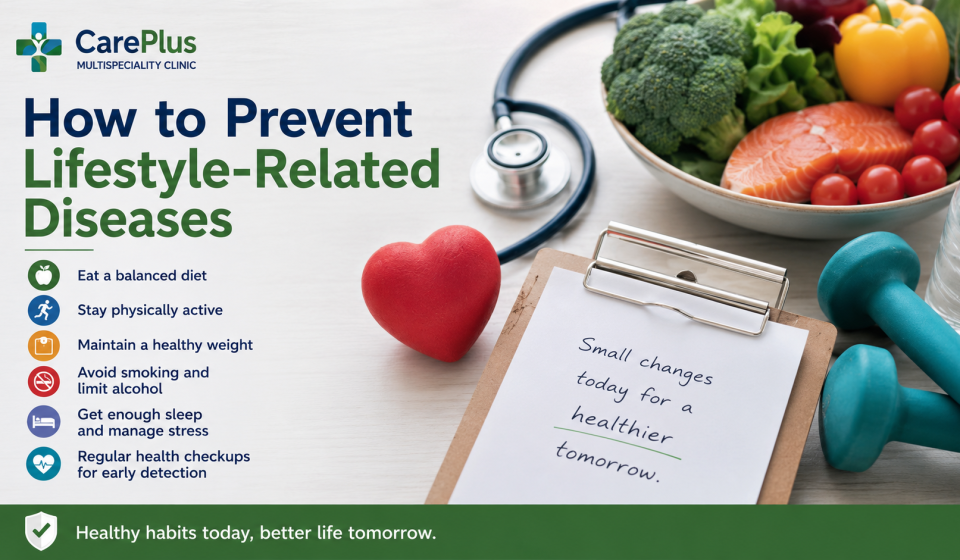

Learn how to prevent lifestyle-related diseases through healthy eating, regular exercise, quality sleep, stress management, routine health checkups, and other preventive healthcare practices for a healthier and longer life.
Lifestyle-related diseases have become one of the leading causes of illness and premature death across the world. Unlike infectious diseases, these conditions develop gradually due to unhealthy daily habits such as poor nutrition, physical inactivity, smoking, excessive alcohol consumption, chronic stress, inadequate sleep, and obesity. Many of these diseases can significantly reduce quality of life and increase healthcare costs, but the encouraging news is that most lifestyle-related diseases are largely preventable.
Modern lifestyles often involve long working hours, prolonged sitting, unhealthy eating patterns, and increased dependence on processed foods. Combined with limited physical activity and high stress levels, these habits place considerable strain on the body. Over time, they increase the risk of developing conditions such as heart disease, Type 2 diabetes, high blood pressure, obesity, stroke, fatty liver disease, and certain types of cancer.
Preventing lifestyle-related diseases does not require drastic changes overnight. Small, consistent improvements in daily habits can greatly reduce health risks. Choosing nutritious foods, exercising regularly, maintaining a healthy body weight, getting enough sleep, avoiding tobacco, limiting alcohol, and attending routine health checkups all contribute to better long-term health.
Preventive healthcare focuses on identifying risk factors before disease develops. Early intervention allows individuals to make healthier choices, detect medical conditions at an early stage, and reduce the likelihood of serious complications.
This article explains the most effective ways to prevent lifestyle-related diseases and maintain lifelong health through practical, evidence-based lifestyle habits.
What Are Lifestyle-Related Diseases?
Lifestyle-related diseases are long-term health conditions that are strongly influenced by daily habits and behaviors.
Common lifestyle-related diseases include:
- Heart disease
- High blood pressure (Hypertension)
- Type 2 diabetes
- Obesity
- Stroke
- High cholesterol
- Fatty liver disease
- Chronic kidney disease
- Certain cancers
- Osteoporosis
Although genetics and age also play a role, healthy lifestyle choices can significantly reduce the risk of developing these conditions.
Why Prevention Is Important
Preventing disease is far more effective than treating it after it develops.
Disease prevention helps:
- Improve quality of life
- Reduce healthcare costs
- Increase life expectancy
- Prevent serious complications
- Improve physical and mental well-being
- Maintain independence as people age
Healthy habits adopted early in life provide benefits that last for decades.
1. Eat a Balanced and Nutritious Diet
Nutrition is one of the most powerful tools for disease prevention.
A healthy diet should include:
- Fresh fruits
- Vegetables
- Whole grains
- Lean proteins
- Low-fat dairy products
- Healthy fats
- Plenty of water
Limiting processed foods, sugary drinks, excessive salt, and unhealthy fats helps lower the risk of obesity, diabetes, heart disease, and hypertension.
2. Stay Physically Active
Regular exercise strengthens the heart, muscles, bones, and immune system while helping maintain a healthy body weight.
Health experts generally recommend at least 150 minutes of moderate-intensity physical activity per week.
Activities include:
- Walking
- Cycling
- Swimming
- Jogging
- Yoga
- Dancing
- Strength training
Regular physical activity improves blood circulation, lowers blood pressure, reduces stress, and supports overall wellness.
3. Maintain a Healthy Body Weight
Excess body weight increases the likelihood of several chronic diseases.
Maintaining a healthy weight helps reduce the risk of:
- Type 2 diabetes
- Heart disease
- High blood pressure
- Stroke
- Joint problems
- Sleep apnea
- Fatty liver disease
Healthy eating combined with regular physical activity is the most effective approach to achieving and maintaining a healthy weight.
4. Avoid Smoking and Tobacco Products
Smoking is one of the leading preventable causes of disease worldwide.
Tobacco use significantly increases the risk of:
- Lung cancer
- Heart disease
- Stroke
- Chronic lung disease
- High blood pressure
Quitting smoking provides immediate and long-term health benefits regardless of age.
5. Limit Alcohol Consumption
Excessive alcohol intake can negatively affect nearly every organ in the body.
Heavy drinking increases the risk of:
- Liver disease
- High blood pressure
- Heart disease
- Certain cancers
- Mental health disorders
- Accidents and injuries
Limiting alcohol or avoiding it altogether supports better physical and mental health.
6. Get Enough Quality Sleep
Sleep is essential for maintaining both physical and mental well-being.
Adults should generally aim for 7–9 hours of quality sleep each night.
Healthy sleep helps:
- Strengthen immunity
- Improve brain function
- Support hormone balance
- Maintain healthy blood pressure
- Reduce stress
- Improve metabolism
Poor sleep over long periods increases the risk of obesity, diabetes, depression, and cardiovascular disease.
7. Manage Stress Effectively
Chronic stress can contribute to numerous health problems if left unmanaged.
Long-term stress may increase the risk of:
- High blood pressure
- Heart disease
- Anxiety
- Depression
- Digestive disorders
- Sleep problems
Healthy ways to manage stress include:
- Meditation
- Deep breathing exercises
- Yoga
- Physical activity
- Spending time with family and friends
- Pursuing hobbies
- Practicing mindfulness
Managing stress effectively supports both mental and physical health.
8. Stay Hydrated
Water is essential for every major function of the body.
Proper hydration helps:
- Regulate body temperature
- Support kidney function
- Improve digestion
- Maintain healthy blood circulation
- Increase energy levels
- Improve concentration
Replacing sugary drinks with water is one of the simplest lifestyle changes that can improve overall health.
9. Schedule Regular Health Checkups
Routine medical checkups play a crucial role in preventing lifestyle-related diseases by identifying health problems before symptoms appear.
Regular health screenings can help detect:
- High blood pressure
- Type 2 diabetes
- High cholesterol
- Kidney disease
- Heart disease
- Certain cancers
Early diagnosis allows timely treatment, improves recovery, and reduces the risk of serious complications.
10. Monitor Blood Pressure, Blood Sugar, and Cholesterol
Many chronic diseases develop silently without noticeable symptoms.
Regular monitoring of important health indicators helps detect abnormalities early.
Important health checks include:
- Blood pressure
- Blood sugar levels
- Cholesterol levels
- Body Mass Index (BMI)
- Waist circumference
Keeping these values within a healthy range significantly lowers the risk of cardiovascular disease and diabetes.
11. Stay Up to Date with Recommended Vaccinations
Vaccinations are not only important for children but also for adults.
Certain vaccines help prevent serious illnesses that can become more dangerous in people with chronic medical conditions.
Recommended vaccinations may include:
- Influenza (Flu) vaccine
- COVID-19 vaccine
- Hepatitis vaccines
- Tetanus booster
- Pneumococcal vaccine (for eligible individuals)
Consult your healthcare provider to determine which vaccines are appropriate based on your age, medical history, and risk factors.
12. Reduce Sedentary Behavior
Sitting for prolonged periods has become common due to office work, remote jobs, and increased screen time.
Extended sitting may increase the risk of:
- Obesity
- Type 2 diabetes
- Heart disease
- Poor circulation
- Back and neck pain
Simple ways to stay active include:
- Stand up every 30–60 minutes.
- Take short walking breaks.
- Use stairs instead of elevators.
- Stretch regularly.
- Walk while talking on the phone.
Even small increases in daily movement can improve overall health.
13. Build Healthy Habits as a Family
Preventing lifestyle-related diseases is easier when healthy habits become part of everyday family life.
Healthy family habits include:
- Preparing nutritious meals together
- Exercising as a family
- Eating more fruits and vegetables
- Limiting sugary drinks
- Encouraging outdoor activities
- Reducing screen time
- Maintaining regular sleep schedules
Children who develop healthy habits early are more likely to continue them throughout adulthood.
14. Know Your Personal Risk Factors
Every individual has different health risks based on genetics, age, and lifestyle.
Factors that may increase the risk of lifestyle-related diseases include:
- Family history of heart disease
- Diabetes in close relatives
- Obesity
- Smoking
- High blood pressure
- High cholesterol
- Physical inactivity
- Chronic stress
Understanding your personal risk factors helps you make informed decisions about preventive care and lifestyle changes.
15. Make Small, Sustainable Lifestyle Changes
Many people believe they must completely transform their lifestyle overnight. In reality, lasting health improvements usually come from small, consistent changes.
Simple daily improvements include:
- Drinking more water
- Eating one extra serving of vegetables each day
- Walking for 30 minutes
- Sleeping on time
- Reducing sugary snacks
- Taking the stairs instead of the elevator
- Practicing relaxation techniques
These small habits become easier over time and lead to significant long-term health benefits.
The Role of Preventive Healthcare
Preventive healthcare focuses on maintaining health before illness develops.
Preventive care includes:
- Routine health checkups
- Blood pressure monitoring
- Blood sugar testing
- Cholesterol screening
- Cancer screening
- Vaccinations
- Nutrition counseling
- Lifestyle guidance
Combining preventive healthcare with healthy daily habits greatly reduces the risk of chronic diseases and improves quality of life.
Sources
https://www.who.int
https://www.nih.gov
https://www.heart.org
https://www.mohfw.gov.in
Conclusion
Lifestyle-related diseases have become increasingly common, but many of them are preventable through healthy daily choices. Eating a balanced diet, staying physically active, maintaining a healthy weight, avoiding tobacco, limiting alcohol, managing stress, getting enough sleep, staying hydrated, and attending regular health checkups all play a vital role in protecting long-term health.
Prevention is far more effective than treatment. Small, sustainable lifestyle improvements practiced consistently can reduce the risk of heart disease, diabetes, hypertension, obesity, stroke, and several other chronic conditions. By making health a daily priority and embracing preventive healthcare, individuals can enjoy a longer, healthier, and more active life.
FAQs
1. What are lifestyle-related diseases?
Lifestyle-related diseases are chronic health conditions that develop due to unhealthy habits such as poor diet, physical inactivity, smoking, excessive alcohol consumption, obesity, and chronic stress. Common examples include heart disease, Type 2 diabetes, hypertension, and obesity.
2. Can lifestyle-related diseases be prevented?
Yes. Most lifestyle-related diseases can be prevented or their risk significantly reduced through healthy eating, regular exercise, maintaining a healthy weight, avoiding tobacco, limiting alcohol, managing stress, and attending routine medical checkups.
3. How much exercise is recommended for disease prevention?
Most adults should aim for at least 150 minutes of moderate-intensity physical activity per week, along with muscle-strengthening activities on two or more days each week.
4. Why are regular health checkups important?
Routine health checkups help detect conditions such as high blood pressure, diabetes, and high cholesterol early, allowing timely treatment and reducing the risk of serious complications.
5. What is the first step toward preventing lifestyle-related diseases?
The first step is adopting healthy daily habits, including eating a balanced diet, staying active, getting enough sleep, avoiding tobacco, reducing stress, and scheduling regular preventive health screenings