
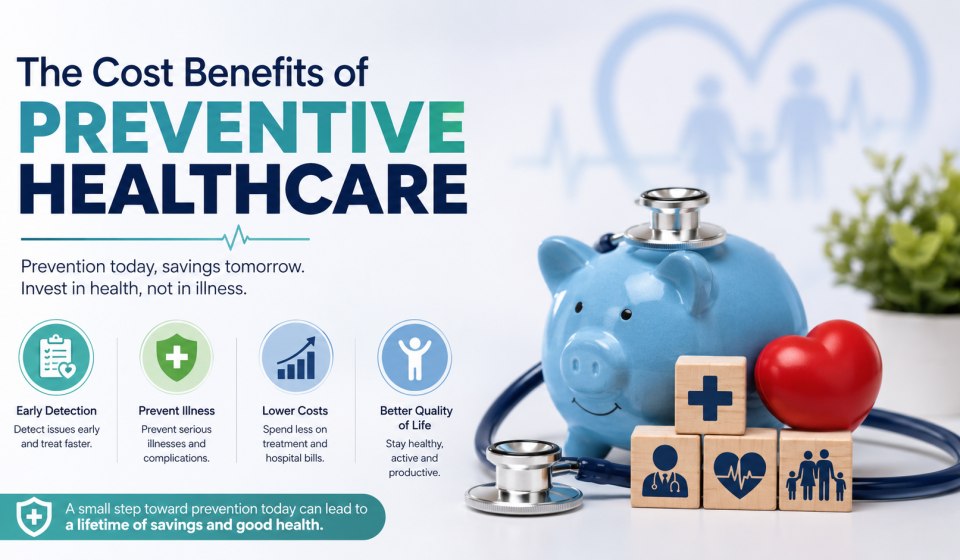

Discover the cost benefits of preventive healthcare and learn how regular check-ups, screenings, vaccinations, and healthy lifestyle choices can reduce medical expenses, prevent serious diseases, and improve overall quality of life.
Healthcare expenses have increased significantly worldwide over the past few decades, creating financial challenges for individuals, families, employers, and governments. Many people seek medical treatment only after symptoms become severe, often resulting in expensive procedures, hospitalizations, and long-term treatments. However, preventive healthcare offers a smarter and more affordable approach to maintaining health while reducing healthcare costs.
Preventive healthcare refers to medical services and lifestyle practices designed to prevent diseases before they develop or become serious. These services include regular health check-ups, vaccinations, health screenings, lifestyle counseling, early diagnosis programs, and preventive treatments. Rather than waiting for illness to occur, preventive healthcare focuses on identifying risks early and taking proactive measures to avoid complications.
The economic advantages of preventive healthcare extend beyond individual savings. Businesses benefit through increased productivity and reduced employee absenteeism, while governments experience lower healthcare expenditures. Most importantly, preventive healthcare improves quality of life and helps people live healthier, longer lives.
This article explores the financial, social, and personal benefits of preventive healthcare and explains why investing in prevention is one of the smartest healthcare decisions anyone can make.
Understanding Preventive Healthcare
Preventive healthcare involves medical practices that aim to detect, prevent, or reduce the severity of diseases. Healthcare professionals generally classify preventive care into three categories:
Primary Prevention
Primary prevention focuses on preventing diseases before they occur. Examples include:
- Vaccinations
- Healthy diet counseling
- Regular exercise programs
- Smoking cessation support
- Stress management techniques
- Health education campaigns
Secondary Prevention
Secondary prevention involves detecting diseases in their early stages when treatment is more effective and less expensive. Examples include:
- Blood pressure screening
- Blood sugar testing
- Cholesterol screening
- Mammograms
- Pap smear tests
- Colon cancer screening
Tertiary Prevention
Tertiary prevention aims to reduce complications and improve quality of life for individuals already diagnosed with chronic illnesses. Examples include:
- Diabetes management programs
- Cardiac rehabilitation
- Physical therapy
- Chronic disease monitoring
Why Healthcare Costs Continue to Rise
Healthcare costs have increased due to several factors, including:
- Growing prevalence of chronic diseases
- Aging populations
- Advanced medical technologies
- Increased hospitalization rates
- Expensive medications
- Delayed diagnosis and treatment
When diseases are detected late, treatment often requires surgery, hospitalization, intensive care, or long-term medication. These expenses place significant financial pressure on patients and healthcare systems.
Preventive healthcare helps break this cycle by identifying health risks before they become serious medical conditions.
Financial Benefits of Preventive Healthcare
1. Reduced Hospitalization Costs
Hospital stays represent one of the most expensive aspects of healthcare. Preventive healthcare reduces the likelihood of emergency admissions and lengthy hospitalizations.
For example, regular blood pressure monitoring can identify hypertension early. Treating high blood pressure with lifestyle modifications and medication is significantly less expensive than treating complications such as stroke, heart attack, or kidney failure.
A patient spending a few thousand rupees annually on preventive care may avoid medical bills worth several lakhs later.
2. Early Disease Detection Saves Money
Early diagnosis dramatically reduces treatment costs.
Consider the difference between detecting cancer at Stage 1 versus Stage 4:
- Early-stage treatment often requires less invasive procedures.
- Advanced-stage treatment may involve surgery, chemotherapy, radiation therapy, and long-term care.
Similarly, early detection of diabetes allows patients to manage their condition through diet, exercise, and medication before expensive complications develop.
Regular screenings provide one of the highest returns on healthcare investment.
3. Lower Medication Expenses
Chronic illnesses often require lifelong medication. Preventive healthcare reduces dependence on expensive treatments by preventing disease progression.
For example:
- Maintaining a healthy weight reduces the risk of diabetes.
- Exercising regularly lowers the risk of hypertension.
- Vaccinations prevent infectious diseases requiring hospitalization and medication.
By preventing disease, patients avoid years of ongoing treatment costs.
4. Reduced Emergency Healthcare Expenses
Emergency medical treatment is substantially more expensive than routine preventive care.
For example:
- An annual health check-up may cost only a few thousand rupees.
- Emergency cardiac treatment can cost several lakhs.
Preventive healthcare minimizes emergency situations by identifying health problems before they become life-threatening.
Preventive Healthcare and Chronic Disease Management
Chronic diseases account for a significant percentage of healthcare spending worldwide.
Common chronic diseases include:
- Diabetes
- Heart disease
- Hypertension
- Obesity
- Chronic kidney disease
- Respiratory illnesses
Preventive healthcare programs help individuals manage risk factors such as:
- Poor diet
- Physical inactivity
- Tobacco use
- Excessive alcohol consumption
- Stress
- Obesity
For example, a person diagnosed with prediabetes can often avoid developing diabetes through lifestyle changes. This preventive approach saves both money and years of medical treatment.
Workplace Benefits of Preventive Healthcare
Employers also benefit financially from preventive healthcare initiatives.
Reduced Employee Absenteeism
Healthy employees miss fewer workdays due to illness. Regular health screenings and wellness programs help identify problems early and improve workforce productivity.
Increased Productivity
Employees who maintain good physical and mental health perform more effectively and experience fewer health-related disruptions.
Lower Insurance Costs
Organizations that invest in employee wellness programs often experience reduced health insurance claims and lower long-term healthcare costs.
For example, many companies now offer:
- Annual health check-ups
- Fitness programs
- Mental health counseling
- Nutritional guidance
- Smoking cessation programs
These investments often produce significant financial returns.
Preventive Healthcare and Family Financial Security
Medical emergencies can create substantial financial hardship for families.
Preventive healthcare helps families by:
- Reducing unexpected medical bills
- Lowering hospitalization expenses
- Preventing loss of income due to illness
- Protecting household savings
- Reducing dependence on loans
A family that prioritizes regular health check-ups and healthy lifestyles is less likely to face catastrophic medical expenses.
Vaccination: One of the Most Cost-Effective Preventive Measures
Vaccination remains one of the most successful preventive healthcare strategies in history.
Vaccines help prevent diseases such as:
- Influenza
- Hepatitis
- Measles
- Polio
- COVID-19
- Human papillomavirus (HPV)
The cost of vaccination is minimal compared to the cost of treating these diseases and their complications.
For example, preventing hospitalization through vaccination saves both healthcare systems and families considerable amounts of money.
Preventive Screenings That Offer High Value
Several preventive screenings provide exceptional financial and health benefits:
Blood Pressure Screening
Detects hypertension before complications occur.
Blood Sugar Testing
Identifies diabetes and prediabetes early.
Cholesterol Testing
Helps prevent heart disease and stroke.
Cancer Screenings
Detect cancers during early, more treatable stages.
Eye and Dental Examinations
Prevent costly complications affecting vision and oral health.
Mental Health Assessments
Identify depression, anxiety, and stress-related disorders before they worsen.
Regular screenings are often inexpensive compared to advanced medical treatments.
Lifestyle Prevention: The Cheapest Healthcare Investment
Many preventive strategies require little financial investment but deliver enormous health benefits.
Healthy Diet
Eating balanced meals can:
- Reduce obesity risk
- Prevent diabetes
- Improve heart health
- Lower healthcare costs
Regular Exercise
Physical activity helps:
- Maintain healthy weight
- Reduce blood pressure
- Improve mental health
- Prevent chronic diseases
Quality Sleep
Adequate sleep supports:
- Immune function
- Mental health
- Heart health
- Productivity
Stress Management
Managing stress reduces the risk of:
- Hypertension
- Depression
- Heart disease
- Sleep disorders
These simple lifestyle changes often prevent expensive medical conditions.
Economic Benefits for Society
Preventive healthcare also benefits entire communities and nations.
Advantages include:
- Reduced public healthcare spending
- Increased workforce productivity
- Lower disability rates
- Reduced burden on hospitals
- Improved life expectancy
- Stronger economic growth
Countries that invest heavily in preventive healthcare often experience better population health outcomes and lower overall healthcare expenditures.
Challenges in Adopting Preventive Healthcare
Despite its benefits, preventive healthcare remains underutilized due to several factors:
- Lack of awareness
- Fear of medical testing
- Busy lifestyles
- Financial misconceptions
- Limited access to healthcare facilities
- Preference for treatment over prevention
Increasing public awareness and expanding access to preventive services can help overcome these barriers.
The Future of Preventive Healthcare
Technology is transforming preventive healthcare through:
- Wearable health devices
- Artificial intelligence diagnostics
- Telemedicine consultations
- Remote patient monitoring
- Personalized medicine
- Digital health records
These innovations allow healthcare providers to identify risks earlier and deliver more efficient preventive care.
As healthcare systems continue to evolve, preventive healthcare will likely become even more important in controlling healthcare costs and improving patient outcomes.
Sources
https://www.who.int
https://www.cdc.gov/prevention
Conclusion
Preventive healthcare represents one of the most effective investments individuals, families, businesses, and governments can make. Regular check-ups, screenings, vaccinations, healthy lifestyle choices, and early intervention strategies significantly reduce healthcare costs while improving overall quality of life.
Rather than waiting for illness to become severe and expensive, preventive healthcare encourages proactive action that saves money, prevents suffering, and promotes long-term wellness. Although preventive services may require small upfront investments, they often prevent much larger medical expenses in the future.
The true value of preventive healthcare extends beyond financial savings. It provides peace of mind, improves productivity, enhances longevity, and helps people maintain healthier, happier lives. Investing in prevention today can lead to substantial health and economic benefits tomorrow.
Frequently Asked Questions (FAQs)
1. What is preventive healthcare?
Preventive healthcare includes medical services and lifestyle practices designed to prevent diseases or detect them early before they become serious.
2. How does preventive healthcare save money?
Preventive healthcare reduces expensive hospitalizations, emergency treatments, surgeries, and long-term medication costs by preventing disease progression.
3. What are examples of preventive healthcare services?
Examples include vaccinations, annual health check-ups, cancer screenings, blood pressure monitoring, cholesterol testing, and lifestyle counseling.
4. Are preventive health screenings worth the cost?
Yes. Early detection of diseases typically results in lower treatment costs, better outcomes, and improved quality of life.
5. Can lifestyle changes reduce healthcare expenses?
Absolutely. Healthy eating, regular exercise, stress management, and avoiding tobacco can significantly reduce the risk of costly chronic diseases.