
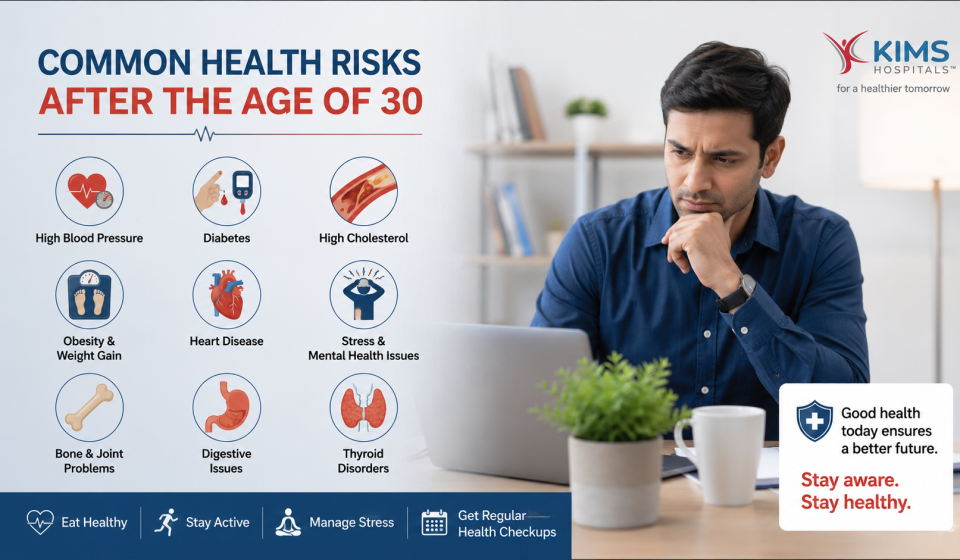

Discover the most common health risks after the age of 30 and learn how healthy habits, regular screenings, and preventive care can help you stay healthy for years to come.
Turning 30 is an important milestone in life. While many people continue to feel healthy and energetic, subtle changes begin to occur in the body. Metabolism gradually slows, muscle mass starts to decline, hormone levels may change, and the risk of developing chronic health conditions begins to increase. These changes are a natural part of aging, but they also highlight the importance of adopting a healthier lifestyle and prioritizing preventive healthcare.
Many common health problems that develop after the age of 30—including high blood pressure, diabetes, obesity, heart disease, and high cholesterol—often progress without noticeable symptoms. Regular health checkups, balanced nutrition, physical activity, stress management, and early screening can help detect these conditions before they become serious.
Understanding the health risks associated with this stage of life allows you to take proactive steps to maintain your well-being. This article explores the most common health risks after the age of 30 and practical ways to reduce them.
Why Health Changes After the Age of 30
As we grow older, the body’s natural repair processes become less efficient. Lifestyle choices made during your twenties begin to influence your long-term health.
Several factors contribute to increased health risks after 30, including:
- Slower metabolism
- Reduced muscle mass
- Hormonal changes
- Sedentary lifestyle
- Poor eating habits
- Chronic stress
- Family history of medical conditions
- Lack of regular exercise
Although these changes are normal, healthy daily habits can significantly reduce their impact.
High Blood Pressure (Hypertension)
High blood pressure is one of the most common health conditions that develops after the age of 30. Often called the “silent killer,” it usually has no noticeable symptoms until serious complications occur.
Uncontrolled hypertension increases the risk of:
- Heart attack
- Stroke
- Kidney disease
- Heart failure
- Vision problems
How to Reduce Your Risk
- Check your blood pressure regularly.
- Reduce salt intake.
- Exercise regularly.
- Maintain a healthy weight.
- Avoid smoking.
- Limit alcohol consumption.
- Manage stress effectively.
High Cholesterol
High cholesterol can gradually build up inside blood vessels without causing symptoms. Over time, this may lead to blocked arteries and cardiovascular disease.
Risk factors include:
- Poor diet
- Physical inactivity
- Obesity
- Smoking
- Family history
Prevention Tips
- Eat more fruits and vegetables.
- Choose whole grains.
- Reduce saturated and trans fats.
- Exercise regularly.
- Maintain a healthy weight.
Regular cholesterol screening becomes increasingly important after age 30.
Type 2 Diabetes
The risk of developing Type 2 diabetes increases with age, particularly among individuals who are overweight or physically inactive.
Early symptoms may include:
- Increased thirst
- Frequent urination
- Fatigue
- Blurred vision
- Slow wound healing
Early diagnosis helps prevent complications affecting the eyes, kidneys, nerves, and heart.
Healthy Habits to Lower Risk
- Limit sugary foods and beverages.
- Stay physically active.
- Maintain a healthy body weight.
- Eat a balanced diet rich in fiber.
- Monitor blood sugar if recommended by your doctor.
Weight Gain and Obesity
Many adults notice gradual weight gain after the age of 30 due to slower metabolism and decreased physical activity.
Excess body weight increases the risk of:
- Diabetes
- High blood pressure
- Heart disease
- Joint problems
- Sleep apnea
- Fatty liver disease
Maintaining a healthy weight through balanced nutrition and regular exercise is essential for long-term health.
Heart Disease
Cardiovascular disease remains one of the leading causes of illness worldwide.
Risk factors often begin developing during the thirties and include:
- High blood pressure
- High cholesterol
- Diabetes
- Smoking
- Obesity
- Physical inactivity
- Family history
Protecting Your Heart
Healthy habits that support heart health include:
- Regular aerobic exercise
- A heart-healthy diet
- Blood pressure monitoring
- Cholesterol management
- Stress reduction
- Adequate sleep
Early lifestyle changes significantly reduce future cardiovascular risk.
Mental Health Challenges
Mental health deserves as much attention as physical health. Many adults experience increased responsibilities after 30, including career demands, financial pressures, parenting, and caregiving.
Common mental health concerns include:
- Anxiety
- Depression
- Chronic stress
- Burnout
- Sleep disturbances
Supporting mental well-being through stress management, physical activity, adequate sleep, and seeking professional help when needed is essential.
Thyroid Disorders
Thyroid conditions become more common with increasing age, particularly among women.
Symptoms may include:
- Fatigue
- Weight changes
- Hair loss
- Sensitivity to cold
- Mood changes
- Irregular menstrual cycles
Routine medical evaluation and blood tests help diagnose thyroid disorders early.
Bone and Joint Health
Bone density gradually decreases with age, increasing the risk of osteoporosis later in life.
Joint discomfort may also become more noticeable due to:
- Sedentary lifestyle
- Excess body weight
- Previous injuries
- Aging-related wear and tear
Supporting Bone Health
- Consume adequate calcium.
- Ensure sufficient Vitamin D.
- Perform weight-bearing exercises.
- Avoid smoking.
- Limit excessive alcohol intake.
Maintaining bone strength early helps reduce future fracture risk.
Digestive Health Problems
Digestive issues often become more common after 30 due to dietary habits, stress, and reduced physical activity.
Common problems include:
- Acid reflux
- Constipation
- Irritable bowel syndrome (IBS)
- Fatty liver disease
Healthy eating, adequate hydration, regular exercise, and limiting processed foods support digestive health.
Sleep Disorders
Busy lifestyles, work stress, and health conditions may affect sleep quality after 30.
Poor sleep increases the risk of:
- Obesity
- Diabetes
- Heart disease
- Depression
- Reduced immunity
Aim for 7–9 hours of quality sleep each night by maintaining a consistent sleep schedule and limiting screen time before bed.
Vision and Eye Health
Eye health should not be overlooked after the age of 30.
Regular eye examinations help detect:
- Refractive errors
- Glaucoma
- Cataracts
- Diabetic eye disease
Protect your vision by wearing sunglasses outdoors, limiting excessive screen time, and scheduling routine eye exams.
The Importance of Regular Health Screenings
Preventive health screenings become increasingly important after age 30.
Your healthcare provider may recommend:
- Blood pressure monitoring
- Blood sugar testing
- Cholesterol screening
- Body Mass Index (BMI) assessment
- Thyroid function tests
- Liver and kidney function tests
- Eye examinations
- Dental checkups
- Age-appropriate cancer screenings
Early detection improves treatment outcomes and helps prevent serious complications.
Healthy Habits for a Healthier Future
Simple lifestyle changes can greatly reduce health risks after 30.
Focus on these daily habits:
- Eat a balanced and nutritious diet.
- Exercise for at least 150 minutes each week.
- Stay hydrated.
- Get enough sleep.
- Manage stress effectively.
- Avoid smoking.
- Limit alcohol consumption.
- Maintain a healthy weight.
- Schedule annual health checkups.
- Follow your doctor’s screening recommendations.
Consistency is the key to long-term health.
When Should You Visit a Doctor?
Consult a healthcare professional if you experience:
- Persistent fatigue
- Unexplained weight changes
- Chest pain
- Frequent headaches
- Difficulty breathing
- Persistent digestive problems
- High blood pressure readings
- Increased thirst or frequent urination
- Ongoing joint pain
- Changes in vision
Prompt medical evaluation helps identify underlying conditions before complications develop.
Sources
https://www.who.int
https://www.nih.gov
https://www.heart.org
https://www.nia.nih.gov
Conclusion
After the age of 30, maintaining good health requires greater attention to preventive care and healthy lifestyle choices. While natural aging brings gradual changes to the body, many common health risks—including high blood pressure, diabetes, high cholesterol, heart disease, obesity, and thyroid disorders—can often be prevented or effectively managed through early detection and regular medical care.
Making time for annual health checkups, eating a balanced diet, staying physically active, managing stress, and following recommended health screenings are valuable investments in your future. By taking proactive steps today, you can reduce your risk of chronic diseases, improve your quality of life, and enjoy better health well into the years ahead.
FAQs
1. Why do health risks increase after the age of 30?
As metabolism slows, muscle mass gradually decreases, and lifestyle factors accumulate over time, the risk of conditions such as hypertension, diabetes, obesity, and heart disease increases.
2. What health screenings should adults over 30 have?
Common screenings include blood pressure checks, blood sugar testing, cholesterol screening, Body Mass Index (BMI) assessment, thyroid evaluation, routine dental and eye examinations, and age-appropriate cancer screenings.
3. Can healthy lifestyle habits reduce health risks after 30?
Yes. Eating a balanced diet, exercising regularly, maintaining a healthy weight, getting enough sleep, managing stress, avoiding tobacco, and limiting alcohol can significantly lower the risk of chronic diseases.
4. How often should I have a health checkup after turning 30?
Most healthy adults should have a comprehensive health checkup once a year. Individuals with chronic conditions or higher risk factors may need more frequent evaluations based on their doctor’s recommendations.
5. What are the early warning signs I should not ignore after age 30?
Persistent fatigue, unexplained weight changes, chest pain, high blood pressure, frequent urination, excessive thirst, digestive problems, vision changes, and prolonged headaches should be evaluated by a healthcare professional.