
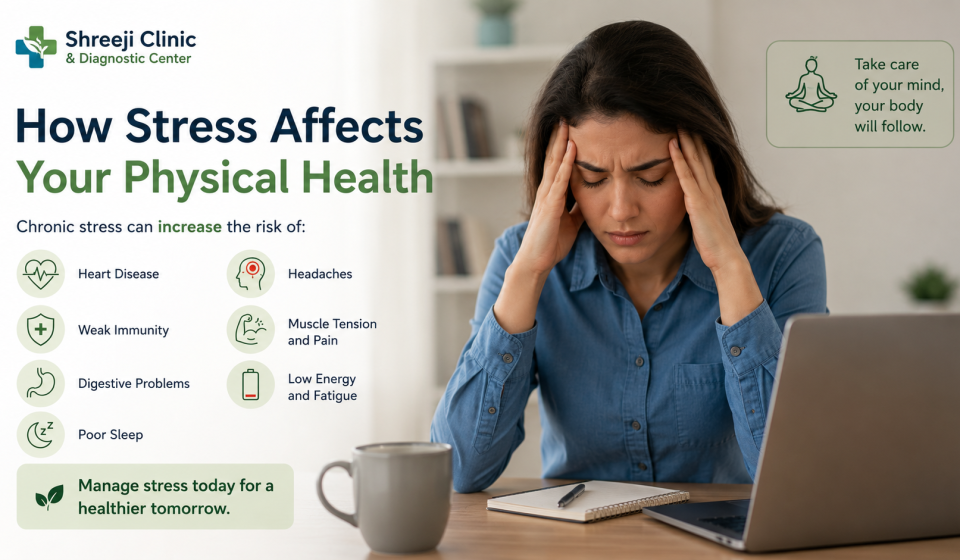

Learn how stress affects your physical health. Discover the impact of chronic stress on the heart, immune system, digestion, sleep, and overall well-being, along with practical tips to manage stress effectively.
Stress is a natural response to challenging situations and is a part of everyday life. Whether it is work pressure, financial concerns, family responsibilities, or unexpected life events, everyone experiences stress at some point. In small amounts, stress can help people stay focused, motivated, and alert. However, when stress becomes constant or overwhelming, it can negatively affect both mental and physical health.
Long-term stress, also known as chronic stress, causes the body to remain in a prolonged state of alertness. During this time, the body continuously releases stress hormones such as cortisol and adrenaline. While these hormones are helpful during emergencies, excessive levels over an extended period can damage various organs and body systems.
Many people associate stress only with emotional problems, but its effects go much further. Chronic stress can contribute to high blood pressure, heart disease, digestive disorders, weakened immunity, sleep disturbances, headaches, muscle pain, weight changes, and many other health conditions. Ignoring stress can reduce quality of life and increase the risk of serious illnesses.
The good news is that stress can be managed through healthy lifestyle habits, regular physical activity, adequate sleep, relaxation techniques, and timely medical support. Understanding how stress affects the body is the first step toward protecting your health and improving overall well-being.
In this article, we will explore how stress impacts physical health, identify common stress-related symptoms, and discuss practical ways to reduce its harmful effects.
What Is Stress?
Stress is the body’s natural reaction to situations that require attention or action. When the brain perceives a challenge or threat, it triggers the release of hormones that prepare the body for a “fight or flight” response.
These hormones temporarily increase:
- Heart rate
- Blood pressure
- Breathing rate
- Muscle tension
- Energy production
While this response is beneficial during short-term emergencies, prolonged activation can place excessive strain on the body.
Common Causes of Stress
Stress can arise from many different situations.
Some of the most common causes include:
- Heavy workload
- Financial difficulties
- Family responsibilities
- Relationship problems
- Health concerns
- Lack of sleep
- Job insecurity
- Academic pressure
- Major life changes
- Social isolation
Recognizing personal stress triggers is an important step toward managing them effectively.
1. Stress Increases the Risk of Heart Disease
The cardiovascular system is one of the first parts of the body affected by chronic stress.
Long-term stress can lead to:
- High blood pressure
- Increased heart rate
- Narrowing of blood vessels
- Higher cholesterol levels
- Increased risk of heart attack
- Greater risk of stroke
People with existing heart conditions are particularly vulnerable to the harmful effects of chronic stress.
2. Weakens the Immune System
Persistent stress reduces the body’s ability to fight infections.
A weakened immune system may result in:
- Frequent colds
- Flu
- Slow wound healing
- Increased infections
- Longer recovery periods
Managing stress helps support a healthier immune response.
3. Causes Digestive Problems
The digestive system is closely connected to the brain through the gut-brain axis.
Stress can contribute to:
- Stomach pain
- Acid reflux
- Indigestion
- Bloating
- Irritable Bowel Syndrome (IBS)
- Diarrhea
- Constipation
- Loss of appetite or overeating
Healthy stress management often improves digestive health.
4. Leads to Sleep Disorders
Stress is one of the leading causes of poor sleep.
Common sleep-related problems include:
- Difficulty falling asleep
- Frequent waking during the night
- Poor sleep quality
- Insomnia
- Daytime fatigue
Lack of quality sleep can further increase stress, creating a harmful cycle.
5. Causes Headaches and Muscle Pain
Stress often causes muscles to tighten, especially around the neck, shoulders, and back.
This can lead to:
- Tension headaches
- Migraines
- Neck pain
- Shoulder stiffness
- Back pain
- Jaw pain
Regular stretching, exercise, and relaxation techniques help reduce muscle tension.
6. Affects Body Weight
Stress influences appetite differently in different people.
Some individuals may:
- Eat more than usual
- Crave sugary or fatty foods
- Gain weight
Others may:
- Lose their appetite
- Eat less
- Experience unintended weight loss
Maintaining healthy eating habits during stressful periods is important for overall health.
7. Raises Blood Sugar Levels
Stress hormones increase blood sugar levels to provide extra energy during challenging situations.
Over time, chronic stress may:
- Make blood sugar harder to control
- Increase the risk of Type 2 diabetes
- Worsen diabetes management in people already diagnosed
Healthy lifestyle habits and regular medical checkups help reduce these risks.
8. Reduces Energy Levels
Living with ongoing stress can leave people feeling physically and mentally exhausted.
Common symptoms include:
- Constant fatigue
- Lack of motivation
- Poor concentration
- Reduced productivity
- Low energy throughout the day
Proper sleep, balanced nutrition, exercise, and stress management techniques can help restore energy levels.
9. Affects Skin Health
The skin often reflects what is happening inside the body, and chronic stress can trigger or worsen several skin conditions.
Stress may contribute to:
- Acne breakouts
- Eczema flare-ups
- Psoriasis
- Skin rashes
- Excessive sweating
- Hair loss
- Slow wound healing
Managing stress helps improve overall skin health and reduces inflammation.
10. Disrupts Hormonal Balance
Stress hormones influence the body’s endocrine system, which regulates many essential functions.
Long-term stress can affect:
- Thyroid function
- Blood sugar regulation
- Appetite hormones
- Reproductive hormones
- Metabolism
Hormonal imbalances caused by chronic stress may lead to fatigue, mood changes, weight fluctuations, and irregular bodily functions.
11. Affects Reproductive Health
Persistent stress can interfere with reproductive health in both men and women.
In women, stress may contribute to:
- Irregular menstrual cycles
- Painful periods
- Reduced fertility
- Hormonal imbalance
In men, chronic stress may lead to:
- Reduced testosterone levels
- Lower sperm quality
- Decreased libido
- Erectile dysfunction
Managing stress supports healthier reproductive function and hormonal balance.
12. Increases Chronic Pain
Stress can make existing pain conditions worse by increasing muscle tension and inflammation.
Common conditions affected include:
- Arthritis
- Fibromyalgia
- Back pain
- Neck pain
- Joint pain
- Migraines
Reducing stress often helps decrease pain intensity and improve daily comfort.
13. Raises the Risk of Unhealthy Habits
Many people cope with stress by adopting unhealthy behaviors that further damage their health.
Examples include:
- Smoking
- Excessive alcohol consumption
- Overeating
- Skipping meals
- Lack of exercise
- Excessive caffeine intake
- Poor sleep habits
Replacing these habits with healthier coping strategies improves both physical and mental well-being.
14. Reduces Overall Quality of Life
When stress becomes chronic, it affects nearly every aspect of daily living.
People experiencing prolonged stress often report:
- Reduced work performance
- Difficulty concentrating
- Low motivation
- Poor relationships
- Decreased physical fitness
- Frequent illness
- Emotional exhaustion
Managing stress allows individuals to enjoy healthier relationships, greater productivity, and a better quality of life.
Warning Signs That Stress May Be Affecting Your Health
Consult a healthcare professional if stress is causing:
- Chest pain
- Persistent headaches
- Ongoing fatigue
- Frequent illnesses
- Difficulty sleeping
- Unexplained weight changes
- Constant muscle pain
- High blood pressure
- Digestive problems
- Feelings of anxiety or depression lasting for several weeks
Early medical support can prevent stress-related health problems from becoming more serious.
Practical Ways to Manage Stress
Healthy stress management techniques include:
- Exercise regularly.
- Get 7–9 hours of quality sleep.
- Eat a balanced and nutritious diet.
- Stay physically active.
- Practice deep breathing exercises.
- Try meditation or mindfulness.
- Spend time with family and friends.
- Limit caffeine and alcohol.
- Take regular breaks from work.
- Seek professional medical or psychological support when needed.
Even small lifestyle changes can significantly reduce stress levels over time.
The Importance of Preventive Healthcare
Routine medical checkups play an important role in identifying health conditions that may be worsened by chronic stress.
Preventive healthcare may include:
- Blood pressure monitoring
- Blood sugar testing
- Cholesterol screening
- Mental health assessments
- Weight management
- Lifestyle counseling
Early intervention helps prevent long-term complications and supports overall wellness.
Conclusion
Stress is a normal part of life, but when it becomes chronic, it can have serious effects on physical health. Persistent stress increases the risk of heart disease, high blood pressure, digestive disorders, weakened immunity, sleep problems, chronic pain, hormonal imbalances, skin conditions, and many other health issues. Over time, these effects can reduce quality of life and increase the likelihood of developing long-term medical conditions.
The good news is that stress can be effectively managed through healthy lifestyle choices, regular exercise, proper nutrition, quality sleep, relaxation techniques, and preventive healthcare. Recognizing the warning signs early and seeking medical support when needed can protect both physical and mental well-being.
Making stress management a daily priority is an investment in your long-term health. By adopting healthier habits and maintaining regular healthcare visits, you can reduce the harmful effects of stress and enjoy a healthier, more balanced life.
Sources
https://www.who.int
https://www.cdc.gov
https://www.nimh.nih.gov
https://www.apa.org
FAQs
1. How does stress affect physical health?
Chronic stress can increase the risk of high blood pressure, heart disease, digestive problems, weakened immunity, headaches, sleep disorders, muscle pain, hormonal imbalance, and many other physical health conditions.
2. Can stress weaken the immune system?
Yes. Long-term stress reduces the body’s ability to fight infections, making people more susceptible to frequent illnesses and slower recovery.
3. What are the common physical symptoms of stress?
Common symptoms include headaches, muscle tension, fatigue, chest discomfort, digestive issues, poor sleep, skin problems, weight changes, and increased blood pressure.
4. How can I reduce the effects of stress on my body?
Regular exercise, healthy eating, quality sleep, meditation, deep breathing, time management, maintaining social connections, and seeking professional support can help reduce stress.
5. When should I see a doctor for stress-related symptoms?
Consult a healthcare provider if stress causes persistent physical symptoms, affects your daily life, leads to chest pain, severe headaches, high blood pressure, prolonged anxiety, depression, or ongoing sleep disturbances.