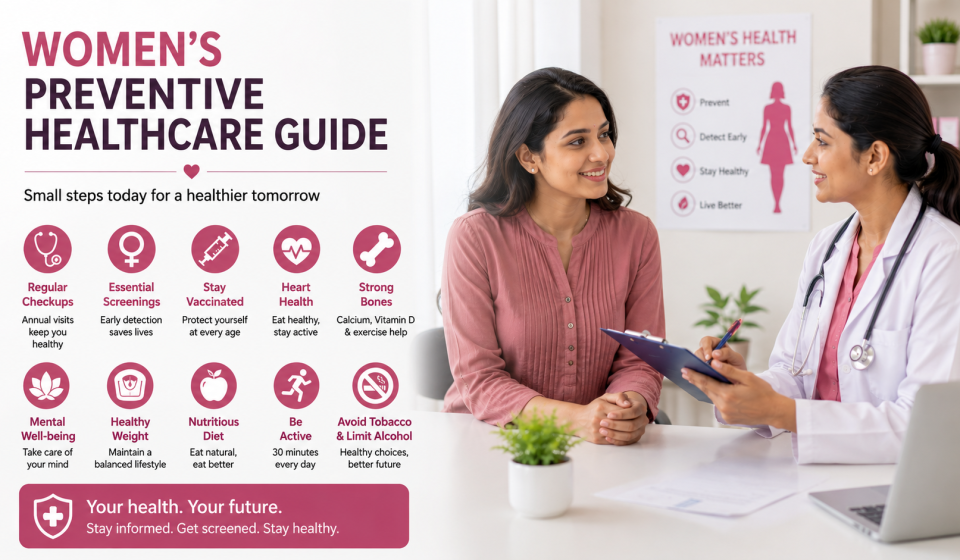

Discover a complete women’s preventive healthcare guide with routine checkups, health screenings, vaccinations, healthy lifestyle tips, and early disease prevention for every stage of life.
Preventive healthcare is one of the most effective ways for women to maintain long-term health and reduce the risk of serious diseases. Rather than waiting for symptoms to appear, preventive care focuses on early detection, regular health screenings, healthy lifestyle choices, and routine medical checkups. Many common health conditions—including heart disease, diabetes, osteoporosis, cervical cancer, and breast cancer—can often be detected early, improving treatment outcomes and overall quality of life.
Women’s healthcare needs change throughout different stages of life. Adolescence, reproductive years, pregnancy, menopause, and older adulthood each bring unique health considerations that require age-appropriate preventive care. Regular visits with a healthcare provider help monitor physical and emotional well-being while providing personalized guidance based on medical history, family history, and lifestyle.
This comprehensive guide explains the key components of preventive healthcare for women and offers practical steps to support lifelong wellness through healthy habits, routine screenings, and early medical care.
What Is Preventive Healthcare?
Preventive healthcare includes medical services and healthy lifestyle practices that help prevent illness or detect health conditions before they become serious.
Preventive healthcare includes:
- Annual health checkups
- Routine health screenings
- Vaccinations
- Lifestyle counseling
- Disease prevention
- Early diagnosis
- Health education
The goal is to maintain good health and reduce the likelihood of future medical complications.
Why Preventive Healthcare Is Important for Women
Women’s health needs evolve throughout life, making regular preventive care essential.
Benefits include:
- Early disease detection
- Better treatment outcomes
- Reduced risk of chronic diseases
- Improved reproductive health
- Healthier pregnancies
- Better mental well-being
- Improved quality of life
- Lower long-term healthcare costs
Preventive healthcare empowers women to make informed decisions about their health.
Schedule an Annual Health Checkup
An annual medical examination provides an opportunity to evaluate your overall health.
A routine health checkup may include:
- Physical examination
- Medical history review
- Blood pressure measurement
- Weight and Body Mass Index (BMI)
- Blood sugar testing
- Cholesterol screening
- Lifestyle assessment
- Mental health evaluation
Regular checkups also help determine which additional screenings may be appropriate based on age and risk factors.
Monitor Blood Pressure Regularly
High blood pressure often develops without noticeable symptoms but significantly increases the risk of serious health conditions.
Routine blood pressure monitoring helps reduce the risk of:
- Heart disease
- Stroke
- Kidney disease
- Vision complications
Early detection allows timely lifestyle changes and treatment when needed.
Screen for Diabetes
Type 2 diabetes may develop gradually without obvious symptoms.
Risk factors include:
- Family history
- Obesity
- Physical inactivity
- High blood pressure
- Previous gestational diabetes
Routine blood sugar testing helps detect diabetes early and supports better long-term health.
Check Cholesterol Levels
High cholesterol can contribute to cardiovascular disease without causing symptoms.
Regular cholesterol screening helps evaluate:
- Total cholesterol
- LDL (“bad”) cholesterol
- HDL (“good”) cholesterol
- Triglycerides
Maintaining healthy cholesterol levels supports heart health throughout life.
Cervical Cancer Screening
Routine cervical cancer screening helps detect abnormal cell changes before cancer develops.
Screening methods may include:
- Pap test (Pap smear)
- Human papillomavirus (HPV) testing
The appropriate schedule depends on age, previous screening results, and healthcare recommendations.
Breast Health and Breast Cancer Screening
Regular breast health awareness and screening are important components of preventive care.
Healthcare providers may recommend:
- Breast self-awareness
- Clinical breast examination
- Mammography based on age and individual risk factors
Any new breast lump, nipple discharge, or persistent breast change should be evaluated promptly.
Maintain Bone Health
Bone density naturally decreases with age, especially after menopause.
Healthy bones require:
- Calcium-rich foods
- Vitamin D
- Regular weight-bearing exercise
- Healthy body weight
Bone density testing may be recommended for women at higher risk of osteoporosis.
Prioritize Heart Health
Heart disease is one of the leading causes of illness among women.
Protect your heart by:
- Eating a balanced diet
- Staying physically active
- Avoiding tobacco
- Managing stress
- Maintaining a healthy weight
- Monitoring blood pressure and cholesterol
Preventive care significantly lowers cardiovascular risk.
Support Reproductive Health
Women’s reproductive health requires ongoing attention throughout adulthood.
Important aspects include:
- Menstrual health
- Family planning
- Pregnancy planning
- Menopause management
- Routine gynecological care
Discuss any persistent menstrual irregularities, pelvic pain, or unusual bleeding with a healthcare professional.
Stay Up to Date with Vaccinations
Vaccinations protect against many preventable diseases.
Recommended vaccines may include:
- Influenza
- COVID-19
- HPV
- Tetanus
- Hepatitis
- Shingles
- Pneumococcal vaccine
Vaccination recommendations vary according to age, health conditions, and individual risk factors.
Maintain a Healthy Diet
Nutrition supports every aspect of women’s health.
Choose foods such as:
- Fruits
- Vegetables
- Whole grains
- Lean proteins
- Healthy fats
- Low-fat dairy products
- Nuts and seeds
Limiting processed foods, added sugars, and excessive sodium supports long-term wellness.
Exercise Regularly
Regular physical activity benefits physical and emotional health.
Exercise helps:
- Maintain a healthy weight
- Improve heart health
- Strengthen bones
- Improve mood
- Reduce stress
- Lower diabetes risk
Aim for at least 150 minutes of moderate-intensity exercise each week, along with muscle-strengthening activities.
Prioritize Mental Health
Mental health is an essential part of preventive healthcare.
Support emotional well-being by:
- Managing stress
- Practicing mindfulness
- Staying socially connected
- Getting adequate sleep
- Seeking professional support when needed
Early attention to emotional health improves overall quality of life.
Get Quality Sleep
Sleep influences hormones, immunity, metabolism, and mental health.
Healthy sleep habits include:
- Sleeping 7–9 hours each night
- Maintaining a consistent bedtime
- Limiting screen time before sleep
- Creating a quiet sleep environment
Adequate sleep supports long-term health and disease prevention.
Avoid Tobacco and Limit Alcohol
Smoking and excessive alcohol consumption increase the risk of many health conditions.
Avoiding tobacco and limiting alcohol helps reduce the risk of:
- Heart disease
- Stroke
- Lung disease
- Several cancers
- Liver disease
- Osteoporosis
Healthy lifestyle choices contribute to better long-term wellness.
Manage Stress Effectively
Chronic stress affects both physical and emotional health.
Healthy stress-management techniques include:
- Deep breathing exercises
- Yoga
- Meditation
- Walking outdoors
- Reading
- Spending time with loved ones
Managing stress supports hormonal balance, heart health, and mental well-being.
Know Your Family Medical History
Family history may influence the risk of several medical conditions.
Inform your healthcare provider about any family history of:
- Breast cancer
- Ovarian cancer
- Heart disease
- Diabetes
- High blood pressure
- Osteoporosis
This information helps personalize your preventive healthcare plan.
When Should You See a Doctor?
Consult a healthcare professional if you experience:
- Unusual breast changes
- Persistent pelvic pain
- Irregular or heavy menstrual bleeding
- Chest pain
- Difficulty breathing
- Persistent fatigue
- Unexplained weight loss
- Ongoing digestive symptoms
- Frequent urinary problems
- Any symptoms that continue or worsen
Seeking medical advice early often leads to faster diagnosis and more effective treatment.
Simple Tips for Preventive Healthcare
Healthy habits are easier to maintain with consistency.
Follow these simple tips:
- Schedule annual health checkups.
- Keep vaccinations up to date.
- Eat balanced meals every day.
- Stay physically active.
- Drink enough water.
- Get adequate sleep.
- Avoid tobacco products.
- Limit alcohol intake.
- Manage stress effectively.
- Follow recommended screening schedules.
Sources
https://www.who.int
https://www.acog.org
https://www.nih.gov
https://www.nhs.uk
Conclusion
Preventive healthcare is the foundation of lifelong wellness for women. Regular health checkups, recommended screenings, vaccinations, healthy nutrition, physical activity, quality sleep, and stress management all work together to reduce the risk of disease and improve overall quality of life. Early detection allows many health conditions to be treated more effectively, helping women maintain their health at every stage of life.
Every woman’s healthcare needs are unique, and preventive care should be tailored to individual age, family history, lifestyle, and personal risk factors. By staying proactive, attending routine medical appointments, and making healthy daily choices, women can protect their well-being, prevent complications, and enjoy healthier lives for years to come.
FAQs
1. What is preventive healthcare for women?
Preventive healthcare includes routine health checkups, health screenings, vaccinations, healthy lifestyle counseling, and early disease detection to maintain overall health and prevent serious medical conditions.
2. How often should women have a preventive health checkup?
Most healthy women should schedule a comprehensive health checkup once a year. Women with chronic medical conditions, pregnancy, or higher health risks may require more frequent visits.
3. Which preventive screenings are important for women?
Important screenings include blood pressure checks, blood sugar testing, cholesterol screening, cervical cancer screening, breast cancer screening, osteoporosis evaluation, colorectal cancer screening, and mental health assessments based on age and risk factors.
4. Can healthy lifestyle habits reduce the risk of chronic diseases?
Yes. A balanced diet, regular physical activity, healthy weight management, quality sleep, stress reduction, avoiding tobacco, limiting alcohol, and routine health screenings significantly reduce the risk of many chronic diseases.
5. Why is early detection important in women’s healthcare?
Early detection allows many health conditions to be diagnosed before symptoms become severe, improving treatment success, reducing complications, and supporting better long-term health outcomes.