
Learn about PCOS symptoms, causes, risk factors, diagnosis, prevention, and healthy lifestyle tips. Discover how early diagnosis and proper management improve women’s health.
Polycystic Ovary Syndrome (PCOS) is one of the most common hormonal disorders affecting women of reproductive age. It can influence menstrual cycles, fertility, metabolism, hormone levels, and overall health. Although PCOS is a lifelong condition, early diagnosis and proper management can help reduce symptoms and lower the risk of long-term complications.
Many women with PCOS experience irregular periods, acne, unwanted hair growth, weight gain, or difficulty becoming pregnant. However, symptoms vary from person to person, and some women may have only mild signs. Because these symptoms often develop gradually, PCOS may remain undiagnosed for years.
The good news is that healthy lifestyle habits, routine medical checkups, and timely treatment can help manage PCOS effectively. This guide explains the symptoms, causes, risk factors, diagnosis, prevention strategies, and lifestyle changes that support better hormonal and reproductive health.
What Is PCOS?
Polycystic Ovary Syndrome (PCOS) is a hormonal condition in which the ovaries may produce higher-than-normal levels of androgens (male hormones). This hormonal imbalance can interfere with ovulation and menstrual cycles.
Women with PCOS may experience:
- Irregular ovulation
- Hormonal imbalance
- Metabolic changes
- Difficulty conceiving
- Increased risk of certain chronic diseases
Although the exact cause of PCOS is unknown, genetics, insulin resistance, and hormonal factors are believed to play important roles.
How Common Is PCOS?
PCOS affects millions of women worldwide and is one of the leading causes of infertility related to ovulation.
It most commonly develops during:
- Late teenage years
- Early twenties
- Reproductive years
Because symptoms vary widely, many women remain undiagnosed until they seek medical advice for irregular periods or fertility concerns.
Common Symptoms of PCOS
Symptoms may develop gradually and differ from one woman to another.
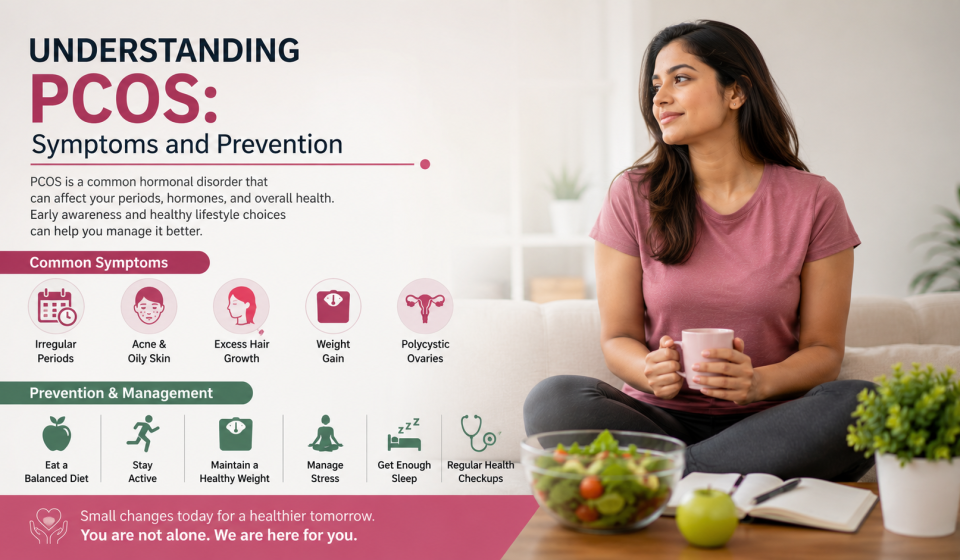
Common signs include:
- Irregular or missed menstrual periods
- Heavy menstrual bleeding
- Difficulty becoming pregnant
- Excess facial or body hair (hirsutism)
- Acne or oily skin
- Weight gain
- Hair thinning or hair loss
- Darkened skin patches
- Multiple small ovarian follicles seen on ultrasound
Some women experience only a few symptoms, while others may have several.
Causes of PCOS
The exact cause of PCOS has not been fully identified, but several factors contribute to its development.
These include:
- Hormonal imbalance
- Insulin resistance
- Genetic factors
- Increased androgen levels
- Family history
Researchers believe that PCOS develops due to a combination of genetic and environmental influences.
Risk Factors
Certain factors increase the likelihood of developing PCOS.
Common risk factors include:
- Family history of PCOS
- Obesity or overweight
- Insulin resistance
- Type 2 diabetes
- Sedentary lifestyle
- Metabolic syndrome
Having one or more risk factors does not necessarily mean a woman will develop PCOS, but awareness encourages earlier evaluation.
How PCOS Affects the Body
PCOS can influence multiple body systems.
Possible effects include:
- Reproductive health
- Hormonal balance
- Metabolism
- Skin health
- Hair growth
- Emotional well-being
Managing PCOS involves addressing both hormonal and metabolic health.
Menstrual Changes in PCOS
Irregular menstrual cycles are among the most common symptoms.
Women may experience:
- Infrequent periods
- Missed periods
- Heavy bleeding
- Unpredictable menstrual cycles
These changes occur because ovulation does not happen regularly.
Fertility and PCOS
PCOS can affect fertility by interfering with ovulation.
However, many women with PCOS successfully become pregnant with appropriate medical guidance and healthy lifestyle changes.
Early diagnosis improves fertility management options.
Weight Gain and PCOS
Many women with PCOS find it difficult to maintain a healthy weight.
Hormonal changes and insulin resistance may contribute to:
- Weight gain
- Increased abdominal fat
- Difficulty losing weight
Even modest weight loss may improve hormone balance and menstrual regularity in some women.
Insulin Resistance and PCOS
Insulin resistance is common among women with PCOS.
This may increase the risk of:
- Prediabetes
- Type 2 diabetes
- Heart disease
- High cholesterol
Healthy eating and regular exercise help improve insulin sensitivity.
Skin and Hair Changes
Hormonal imbalance may affect the skin and hair.
Symptoms include:
- Persistent acne
- Oily skin
- Facial hair growth
- Chest or back hair growth
- Hair thinning on the scalp
These symptoms often improve with appropriate treatment and lifestyle management.
Long-Term Health Risks
Without proper management, PCOS may increase the risk of:
- Type 2 diabetes
- High blood pressure
- High cholesterol
- Heart disease
- Sleep apnea
- Endometrial problems
- Depression and anxiety
Regular medical monitoring helps reduce these risks.
How Is PCOS Diagnosed?
Healthcare providers diagnose PCOS using a combination of medical history, physical examination, and diagnostic tests.
Evaluation may include:
- Menstrual history
- Physical examination
- Blood tests
- Hormone evaluation
- Blood sugar testing
- Cholesterol testing
- Pelvic ultrasound
There is no single test that confirms PCOS, so diagnosis is based on multiple findings.
Can PCOS Be Prevented?
There is no guaranteed way to prevent PCOS because genetics play an important role.
However, healthy lifestyle habits may reduce the severity of symptoms and lower the risk of complications.
Helpful strategies include:
- Maintaining a healthy weight
- Exercising regularly
- Eating a balanced diet
- Limiting processed foods
- Managing stress
- Getting enough sleep
- Attending routine health checkups
These habits support overall hormonal and metabolic health.
Healthy Diet for PCOS
Nutrition plays an important role in managing symptoms.
Choose foods such as:
- Fruits
- Vegetables
- Whole grains
- Lean proteins
- Healthy fats
- Beans and legumes
- High-fiber foods
Limit:
- Sugary beverages
- Refined carbohydrates
- Highly processed foods
- Excess saturated fats
Healthy eating helps improve insulin sensitivity and supports weight management.
Importance of Regular Exercise
Physical activity offers many benefits for women with PCOS.
Exercise helps:
- Improve insulin sensitivity
- Support healthy weight
- Improve mood
- Reduce stress
- Promote heart health
- Increase energy levels
Aim for at least 150 minutes of moderate exercise each week.
Importance of Routine Health Checkups
Women with PCOS benefit from regular medical follow-up.
Routine evaluations may include:
- Blood pressure monitoring
- Blood sugar testing
- Cholesterol screening
- Weight assessment
- Hormone evaluation
- Menstrual health review
Regular monitoring helps identify complications early.
When Should You See a Doctor?
Consult a healthcare professional if you experience:
- Irregular or absent periods
- Difficulty becoming pregnant
- Excess facial or body hair
- Persistent acne
- Unexplained weight gain
- Hair thinning
- Symptoms of diabetes
- Heavy or prolonged menstrual bleeding
Early diagnosis allows timely treatment and better long-term health outcomes.
Healthy Lifestyle Tips for Women with PCOS
Simple daily habits can make a meaningful difference.
- Eat balanced meals.
- Stay physically active.
- Maintain a healthy weight.
- Drink enough water.
- Sleep 7–9 hours every night.
- Manage stress through relaxation techniques.
- Avoid smoking.
- Limit sugary foods and beverages.
- Schedule regular health checkups.
- Follow your healthcare provider’s recommendations.
Sources
https://www.who.int
https://www.cdc.gov
https://www.nih.gov
https://www.nhs.uk
Conclusion
Polycystic Ovary Syndrome (PCOS) is a common hormonal disorder that can affect menstrual health, fertility, metabolism, and overall well-being. Although the exact cause remains unclear, early recognition of symptoms and timely medical evaluation are essential for effective management. Healthy lifestyle habits—including balanced nutrition, regular physical activity, maintaining a healthy weight, quality sleep, and stress management—play a significant role in reducing symptoms and preventing long-term complications.
While PCOS cannot always be prevented, many women successfully manage the condition through preventive healthcare, regular monitoring, and individualized treatment plans. Staying informed, attending routine health checkups, and seeking medical advice when symptoms first appear can help improve quality of life and support long-term reproductive and metabolic health.
FAQs
1. What is PCOS?
Polycystic Ovary Syndrome (PCOS) is a hormonal disorder that affects the ovaries, menstrual cycles, hormone levels, fertility, and metabolism in women of reproductive age.
2. What are the common symptoms of PCOS?
Common symptoms include irregular periods, acne, excessive facial or body hair, weight gain, hair thinning, difficulty becoming pregnant, and multiple small ovarian follicles visible on ultrasound.
3. Can PCOS be prevented?
There is no guaranteed way to prevent PCOS, but maintaining a healthy weight, eating a balanced diet, exercising regularly, managing stress, and attending routine health checkups may help reduce symptoms and lower the risk of complications.
4. How is PCOS diagnosed?
PCOS is diagnosed using medical history, physical examination, hormone testing, blood sugar and cholesterol evaluation, and pelvic ultrasound. Diagnosis is based on a combination of clinical findings rather than a single test.
5. Can women with PCOS have healthy pregnancies?
Yes. Many women with PCOS successfully become pregnant with appropriate medical care, healthy lifestyle changes, and fertility treatment when necessary. Early diagnosis and proper management improve reproductive outcomes.