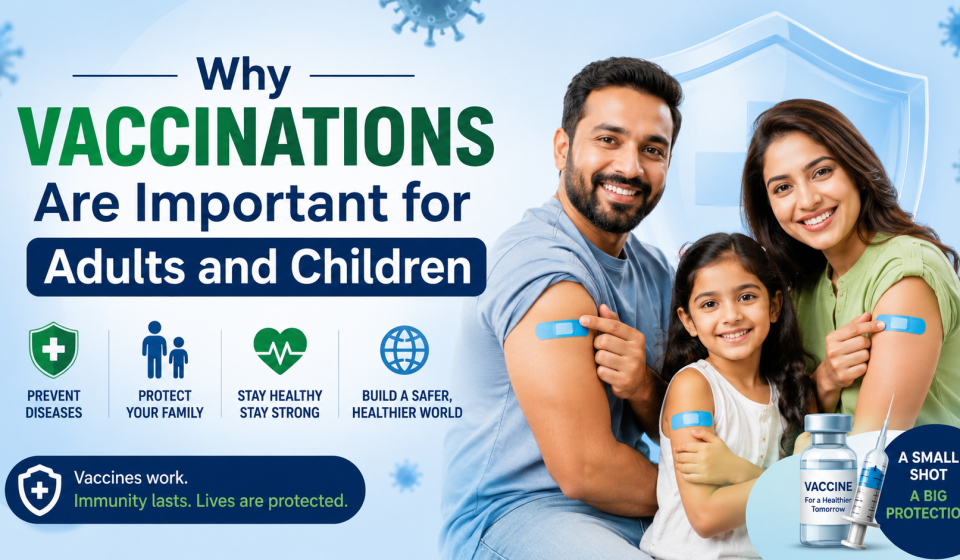

Learn why vaccinations are essential for both adults and children. Discover the benefits of immunization, recommended vaccines, safety facts, and how vaccines protect families and communities.
Vaccination is one of the greatest achievements in modern medicine. It has saved millions of lives worldwide and continues to protect people from serious diseases. While many people associate vaccines with childhood immunization programs, vaccinations are equally important for adults. From protecting infants against life-threatening infections to helping older adults avoid severe illnesses, vaccines play a vital role in maintaining public health.
In today’s world, where infectious diseases can spread rapidly through travel and social interactions, staying up to date with vaccinations is more important than ever. Vaccines not only protect individuals but also help safeguard families, communities, and future generations.
What Are Vaccinations?
Vaccinations, also known as immunizations, are medical preparations designed to help the body’s immune system recognize and fight harmful bacteria, viruses, and other pathogens. Vaccines contain weakened, inactive, or harmless parts of a disease-causing organism that stimulate the immune system to produce protective antibodies.
When a vaccinated person later encounters the actual disease, their immune system can respond quickly and effectively, reducing the risk of severe illness or preventing infection altogether. Vaccines allow the body to build immunity without suffering from the disease itself.
Why Vaccinations Are Important for Children
Children are particularly vulnerable to infectious diseases because their immune systems are still developing. Vaccination during infancy and childhood provides essential protection during these critical years.
1. Protection Against Life-Threatening Diseases
Vaccines protect children from serious illnesses such as:
- Measles
- Polio
- Diphtheria
- Pertussis (whooping cough)
- Hepatitis B
- Rotavirus
- Mumps
- Rubella
- Pneumococcal infections
Before vaccines became widely available, these diseases caused millions of deaths and long-term disabilities worldwide. Today, many of these illnesses have become rare because of successful vaccination programs.
2. Reducing Child Mortality
Vaccination has dramatically reduced child deaths worldwide. According to international health organizations, immunization has helped reduce global infant mortality significantly over the last several decades. Millions of children’s lives have been saved through routine vaccination programs.
3. Preventing Long-Term Complications
Some vaccine-preventable diseases can cause lifelong complications. For example:
- Polio may cause permanent paralysis.
- Measles can lead to brain inflammation.
- Hepatitis B can cause liver cancer.
- Meningitis may result in hearing loss or neurological damage.
Vaccination prevents not only infections but also these potentially devastating long-term consequences.
4. Supporting Healthy Growth and Education
Healthy children attend school regularly and participate actively in social activities. Research has shown that vaccination contributes to better educational outcomes by reducing illness-related absences and supporting healthy development.
5. Creating Herd Immunity
When a large portion of the population is vaccinated, diseases have fewer opportunities to spread. This community protection, known as herd immunity, helps protect:
- Newborn babies
- Elderly individuals
- People with weakened immune systems
- Those who cannot receive certain vaccines for medical reasons
Herd immunity has played a major role in controlling diseases worldwide.
Why Vaccinations Are Important for Adults
Many people mistakenly believe that vaccines are only necessary during childhood. However, immunity from some vaccines decreases over time, and adults remain vulnerable to many infectious diseases.
1. Immunity Can Decrease Over Time
Certain childhood vaccines require booster doses during adulthood because their protection gradually weakens. Adults may need booster vaccinations for diseases such as:
- Tetanus
- Diphtheria
- Pertussis
- Influenza
- COVID-19
Maintaining updated immunizations ensures ongoing protection throughout life.
2. Adults Face Different Health Risks
As people age, their immune systems naturally become less effective. Adults, especially older adults, become more susceptible to infections such as:
- Influenza
- Pneumonia
- Shingles
- Respiratory syncytial virus (RSV)
- Hepatitis
Vaccination helps reduce hospitalizations, severe complications, and mortality associated with these conditions.
3. Protecting Family Members
Adults who receive recommended vaccinations help protect vulnerable family members, including:
- Infants
- Pregnant women
- Elderly parents
- Individuals with chronic illnesses
For example, annual flu vaccination reduces the chance of transmitting influenza to children and older relatives.
4. Preventing Serious Complications
Adults with conditions such as diabetes, heart disease, asthma, and weakened immune systems face a greater risk of severe infections. Vaccinations help reduce complications, hospitalization rates, and healthcare costs.
5. Supporting Healthy Aging
Modern healthcare increasingly recognizes vaccination as an important component of healthy aging. Vaccines help older adults maintain independence, reduce illness-related disability, and improve quality of life.
Common Vaccines Recommended for Children
Children typically receive vaccines against:
- Hepatitis B
- BCG (in some countries)
- Polio
- DTP (Diphtheria, Tetanus, Pertussis)
- Hib
- Rotavirus
- Pneumococcal disease
- Measles
- Mumps
- Rubella
- Chickenpox
- HPV
- Influenza
Parents should always follow their pediatrician’s recommended immunization schedule.
Common Vaccines Recommended for Adults
Depending on age, health condition, occupation, and travel plans, adults may require:
- Annual influenza vaccine
- COVID-19 vaccine and boosters
- Tetanus and diphtheria booster
- Hepatitis A and B vaccines
- HPV vaccine
- Shingles vaccine
- Pneumococcal vaccine
- RSV vaccine
- Meningococcal vaccine
- Travel-related vaccines
Healthcare providers can help determine which vaccines are appropriate for each individual.
Are Vaccines Safe?
Yes. Vaccines undergo extensive testing before approval and continue to be monitored after they become available. Global health organizations and regulatory agencies maintain strict safety standards.
Most vaccine side effects are mild and temporary, such as:
- Pain at the injection site
- Mild fever
- Fatigue
- Muscle aches
Serious side effects are extremely rare, while the benefits of vaccination far outweigh the risks. Vaccination remains one of the safest and most effective preventive healthcare measures available.
Common Myths About Vaccinations
Myth 1: Vaccines Cause the Disease
Fact: Vaccines do not cause the diseases they are designed to prevent.
Myth 2: Healthy People Don’t Need Vaccines
Fact: Even healthy individuals can develop serious complications from infectious diseases.
Myth 3: Childhood Vaccines Provide Lifetime Protection
Fact: Some vaccines require booster doses later in life.
Myth 4: Natural Infection Is Better Than Vaccination
Fact: Natural infection can lead to severe illness, disability, or death, whereas vaccines provide protection with significantly lower risk.
Myth 5: Vaccines Are Only for Children
Fact: Adults also need vaccines throughout their lives to maintain protection.
The Economic Benefits of Vaccination
Vaccination not only saves lives but also reduces healthcare expenses by preventing:
- Hospital admissions
- Emergency treatments
- Long-term disability care
- Loss of income due to illness
- Productivity losses
Studies consistently show that vaccination programs are among the most cost-effective healthcare interventions available.
Vaccination and Public Health
Successful vaccination programs have helped eliminate or dramatically reduce several dangerous diseases worldwide. Examples include:
- Smallpox eradication
- Significant reduction in polio cases
- Dramatic declines in measles-related deaths
- Reduced rates of cervical cancer through HPV vaccination
Continued vaccination efforts remain essential to prevent disease outbreaks and protect future generations.
Sources
https://sl1nk.com/jtevoko
https://l1nq.com/0leeh3c
Conclusion
Vaccinations are one of the most powerful tools available to protect human health. For children, vaccines provide protection during vulnerable developmental years and help ensure healthy growth and education. For adults, vaccinations prevent serious illness, reduce complications, support healthy aging, and protect loved ones.
Vaccines not only protect individuals but also strengthen communities through herd immunity. Staying up to date with recommended vaccinations is a simple yet highly effective step toward maintaining lifelong health. Whether you are a parent protecting your child or an adult safeguarding your future health, vaccination remains an essential investment in well-being.
Frequently Asked Questions (FAQs)
1. Why are vaccines important for children?
Vaccines protect children from serious and potentially life-threatening diseases while helping build strong immunity during early development.
2. Do adults need vaccines even if they were vaccinated as children?
Yes. Some vaccines require booster doses, and adults may need additional vaccines based on age, health conditions, occupation, or travel.
3. Are vaccines safe?
Yes. Vaccines undergo extensive testing and continuous safety monitoring. Serious side effects are very rare.
4. What happens if people stop getting vaccinated?
Lower vaccination rates can lead to outbreaks of preventable diseases, putting entire communities at risk.
5. Which vaccines should adults consider?
Adults may need influenza, COVID-19, tetanus, hepatitis, shingles, pneumococcal, RSV, and other vaccines depending on their age and health status.