
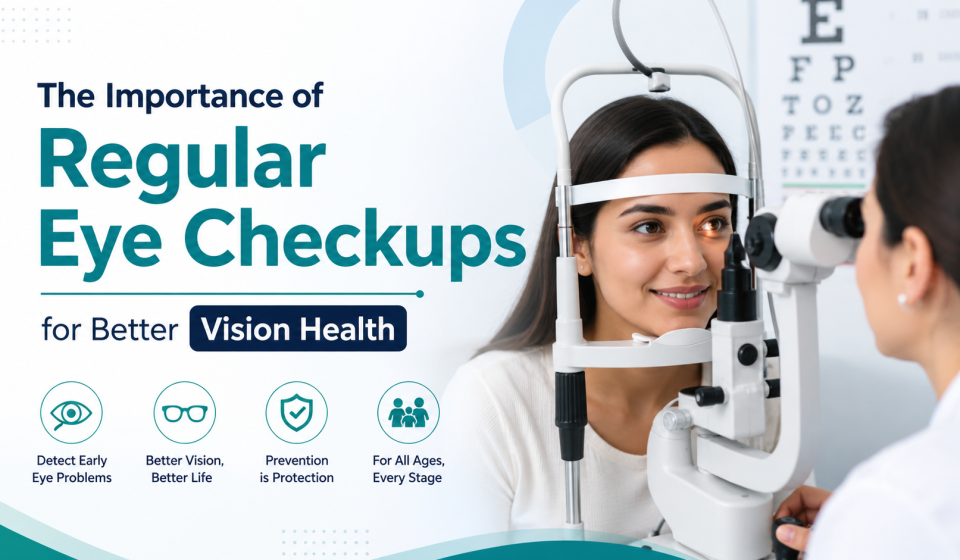

Discover why regular eye checkups are essential for maintaining healthy vision, preventing eye diseases, and detecting serious health conditions early. Learn the benefits, recommended frequency, and importance of comprehensive eye examinations.
Vision is one of our most precious senses, yet it is often taken for granted until problems arise. In today’s digital world, where people spend hours looking at computer screens, smartphones, and televisions, maintaining good eye health has become more important than ever. Regular eye checkups play a crucial role in preserving vision, detecting eye diseases early, and even identifying underlying health conditions that may otherwise go unnoticed.
Many people believe they only need an eye examination when they experience blurry vision or discomfort. However, numerous eye diseases develop silently without showing obvious symptoms in their early stages. By the time symptoms become noticeable, permanent damage may have already occurred. This is why healthcare professionals worldwide emphasize the importance of routine eye examinations as a part of preventive healthcare.
Why Are Regular Eye Checkups Important?
Regular eye examinations are not simply about determining whether you need glasses or contact lenses. They provide a comprehensive assessment of your overall eye health and can help identify problems before they become severe.
Early Detection of Eye Diseases
One of the primary benefits of regular eye checkups is the early detection of eye diseases. Conditions such as glaucoma, cataracts, age-related macular degeneration, and diabetic retinopathy often develop gradually and without noticeable symptoms in the beginning. Early diagnosis allows doctors to begin treatment sooner, reducing the risk of permanent vision loss.
For example, glaucoma is often called the “silent thief of sight” because it can damage the optic nerve without causing pain or noticeable symptoms until significant vision loss has occurred. Regular eye examinations can detect glaucoma long before symptoms appear.
Maintaining Optimal Vision
Clear vision significantly impacts daily life activities such as reading, driving, working, and enjoying hobbies. Regular eye checkups help identify refractive errors, including:
- Nearsightedness (Myopia)
- Farsightedness (Hyperopia)
- Astigmatism
- Presbyopia
Correcting these conditions with appropriate glasses, contact lenses, or other treatments can dramatically improve quality of life and productivity.
Eye Exams Can Detect Other Health Conditions
Many people are surprised to learn that eye examinations can reveal signs of serious health problems affecting the entire body. The blood vessels and nerves inside the eyes provide doctors with valuable information about a person’s overall health.
Regular eye examinations may help detect:
- Diabetes
- High blood pressure
- High cholesterol
- Cardiovascular disease
- Stroke risk
- Certain cancers
- Neurological disorders
- Brain tumors
Because the eye is one of the few places in the body where blood vessels can be directly observed without surgery, eye doctors can identify abnormalities that may indicate broader health issues.
The Impact of Digital Screen Usage on Eye Health
Modern lifestyles involve prolonged exposure to digital screens. Whether for work, education, or entertainment, excessive screen time can contribute to several eye-related problems.
Common symptoms include:
- Eye strain
- Dry eyes
- Headaches
- Blurred vision
- Neck and shoulder pain
- Difficulty focusing
This condition, often referred to as digital eye strain or computer vision syndrome, affects millions of people worldwide. Regular eye checkups help identify vision problems related to screen use and allow healthcare providers to recommend appropriate solutions.
Tips to Reduce Digital Eye Strain
- Follow the 20-20-20 rule: Every 20 minutes, look at something 20 feet away for 20 seconds.
- Adjust screen brightness and contrast.
- Maintain proper posture.
- Blink frequently.
- Use anti-glare screens if necessary.
- Schedule regular eye examinations.
Importance of Eye Checkups for Children
Children may not always realize or communicate that they have vision problems. Poor vision can negatively affect academic performance, sports participation, and social development.
Regular eye examinations can help detect:
- Lazy eye (Amblyopia)
- Crossed eyes (Strabismus)
- Nearsightedness
- Farsightedness
- Learning-related vision problems
Early treatment during childhood often produces better outcomes than treatment started later in life. Parents should prioritize regular eye exams as part of their child’s overall healthcare routine.
Eye Health and Aging
As people age, the risk of developing eye diseases increases substantially. Conditions commonly associated with aging include:
Cataracts
Cataracts cause clouding of the eye’s natural lens, leading to blurry vision, glare sensitivity, and difficulty seeing at night.
Age-Related Macular Degeneration (AMD)
AMD affects central vision and is one of the leading causes of blindness among older adults.
Glaucoma
The risk of glaucoma increases significantly after age 40.
Diabetic Retinopathy
Individuals with diabetes require frequent eye examinations to prevent vision-threatening complications.
Regular monitoring helps ensure timely diagnosis and treatment, preserving vision and maintaining independence as people age.
What Happens During a Comprehensive Eye Examination?
A comprehensive eye examination includes much more than reading letters from an eye chart. Depending on age, medical history, and symptoms, an eye doctor may perform several tests.
Visual Acuity Test
Measures how clearly you can see objects at different distances.
Refraction Assessment
Determines whether corrective lenses are needed.
Eye Pressure Measurement
Checks for glaucoma by measuring intraocular pressure.
Slit-Lamp Examination
Allows detailed examination of the structures of the eye.
Retinal Examination
Evaluates the retina, optic nerve, and blood vessels.
Pupil Dilation
Provides a clearer view of internal eye structures and helps detect various diseases.
These tests help doctors identify both vision problems and serious eye diseases at an early stage.
How Often Should You Get an Eye Checkup?
The frequency of eye examinations depends on age, health status, and risk factors.
Children
- First exam: Around 6 months of age
- Before starting school
- Regular follow-up as recommended
Adults (18–39 years)
- Every 2 years if healthy
- More frequently if recommended
Adults (40–64 years)
- Comprehensive exam at age 40
- Every 2–4 years or as advised
Adults (65 years and above)
- Annual eye examinations are generally recommended
High-Risk Individuals
People with the following conditions may require more frequent examinations:
- Diabetes
- High blood pressure
- Family history of glaucoma
- Previous eye injuries
- Long-term medication use
- Existing eye disease
Your eye doctor can recommend the most appropriate schedule based on your individual needs.
Warning Signs That Require Immediate Eye Examination
While routine checkups are important, certain symptoms require prompt medical attention:
- Sudden vision loss
- Double vision
- Eye pain
- Flashes of light
- New floaters
- Redness and swelling
- Persistent headaches
- Blurred vision
- Difficulty seeing at night
- Loss of peripheral vision
Ignoring these symptoms may result in serious complications.
Lifestyle Habits for Better Vision Health
In addition to regular eye examinations, adopting healthy habits can help preserve vision.
Eat Eye-Healthy Foods
Include foods rich in:
- Vitamin A
- Vitamin C
- Vitamin E
- Omega-3 fatty acids
- Zinc
- Lutein and zeaxanthin
Examples include:
- Carrots
- Spinach
- Kale
- Fish
- Eggs
- Nuts
- Citrus fruits
Protect Your Eyes
- Wear sunglasses with UV protection.
- Use safety glasses during hazardous activities.
- Avoid smoking.
- Maintain healthy blood sugar levels.
- Control blood pressure and cholesterol.
- Exercise regularly.
Get Adequate Sleep
Proper rest helps reduce eye fatigue and supports overall eye health.
Economic Benefits of Regular Eye Checkups
Preventive healthcare is often more affordable than treating advanced disease. Early diagnosis through routine eye examinations can:
- Reduce healthcare costs
- Prevent expensive surgeries
- Minimize loss of productivity
- Improve quality of life
- Reduce the risk of blindness
Investing in regular eye examinations today can save significant financial and emotional costs in the future.
Sources
https://sl1nk.com/qz76rhg
https://l1nq.com/ajlho1v
Conclusion
Regular eye checkups are one of the simplest yet most effective ways to protect your vision and maintain overall health. Many eye diseases develop silently and can cause irreversible damage if left untreated. Comprehensive eye examinations not only help preserve eyesight but also aid in detecting serious health conditions such as diabetes, hypertension, and cardiovascular disease.
Whether you are a child, an adult, or a senior citizen, prioritizing regular eye examinations can significantly improve your quality of life. By combining routine eye checkups with healthy lifestyle habits, you can ensure better vision health for years to come. Remember, prevention is always better than treatment, especially when it comes to protecting your eyesight.
Frequently Asked Questions (FAQs)
1. How often should adults get an eye examination?
Most healthy adults should have a comprehensive eye examination every one to two years, while individuals with risk factors may require more frequent visits.
2. Can eye exams detect diseases other than eye problems?
Yes. Eye examinations can help detect conditions such as diabetes, high blood pressure, high cholesterol, cardiovascular disease, and certain neurological disorders.
3. Do I need an eye exam if I have perfect vision?
Yes. Many serious eye diseases develop without symptoms, so regular examinations remain important even if your vision appears normal.
4. At what age should children have their first eye examination?
Children should have their first eye examination around six months of age, followed by additional examinations before starting school and as recommended by their doctor.
5. Does prolonged screen use damage eyesight permanently?
While excessive screen use may cause temporary eye strain and discomfort, regular eye examinations and healthy screen habits can help protect your vision.