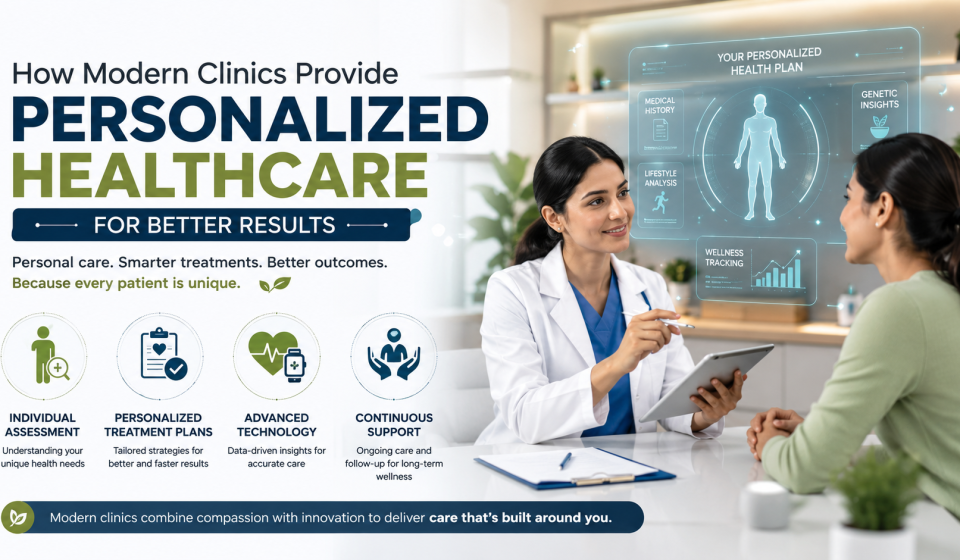

Discover how modern clinics provide personalized healthcare through advanced technology, patient-centered care, genetic insights, and customized treatment plans to improve health outcomes and patient satisfaction.
Healthcare is no longer following the traditional “one-size-fits-all” approach. Today, modern clinics are transforming the healthcare experience by offering personalized healthcare solutions that focus on the unique needs, lifestyle, medical history, and preferences of each patient. This patient-centered approach helps achieve better health outcomes, faster recovery, improved patient satisfaction, and long-term wellness.
Personalized healthcare combines advanced medical technology, digital health records, preventive care strategies, genetic information, and individualized treatment plans. Instead of treating just the disease, modern clinics now focus on treating the whole person. This shift has significantly changed how patients receive medical care worldwide, including in India.
According to the World Health Organization, people-centered healthcare systems improve care quality by focusing on the specific needs and preferences of patients rather than simply treating diseases.
What Is Personalized Healthcare?
Personalized healthcare refers to medical care that is specifically designed according to an individual’s:
- Medical history
- Family history
- Lifestyle habits
- Age and gender
- Genetic factors
- Existing medical conditions
- Personal health goals
- Environmental factors
Rather than prescribing the same treatment to everyone with similar symptoms, healthcare providers develop customized treatment plans that suit each patient’s unique circumstances.
For example, two patients with diabetes may receive completely different treatment plans based on their age, diet, activity level, family history, and overall health condition.
Why Personalized Healthcare Matters
Traditional healthcare models often focus only on treating symptoms after a disease develops. Personalized healthcare emphasizes prevention, early detection, and individualized treatment strategies.
Some major benefits include:
- Better treatment outcomes
- Earlier disease detection
- Reduced side effects
- Higher patient satisfaction
- Faster recovery
- Improved chronic disease management
- Better preventive care
- Lower healthcare costs over time
Research shows that patient-centered care improves patient engagement, treatment adherence, and overall health outcomes.
How Modern Clinics Deliver Personalized Healthcare
1. Detailed Patient Assessment
Modern clinics begin personalized care with comprehensive patient evaluations. Doctors collect detailed information about:
- Medical history
- Family health history
- Lifestyle habits
- Diet patterns
- Sleep quality
- Stress levels
- Exercise routine
- Occupational health risks
This information allows healthcare providers to identify potential risks and design personalized treatment plans.
For example, a patient suffering from high blood pressure who works in a stressful corporate environment may receive treatment that includes medication, stress management counseling, dietary changes, and lifestyle coaching.
2. Electronic Health Records (EHR)
One of the biggest advancements in personalized healthcare is the use of Electronic Health Records (EHR).
These digital records store:
- Previous diagnoses
- Laboratory reports
- Prescription history
- Allergies
- Vaccination records
- Imaging reports
- Family history
- Treatment responses
EHR systems help doctors quickly understand a patient’s complete medical background and avoid unnecessary tests or incorrect treatments.
For example, if a patient visits multiple specialists, all providers can access the same health information, ensuring coordinated care.
3. Personalized Preventive Healthcare Plans
Modern clinics focus heavily on prevention rather than waiting for illnesses to become severe.
Preventive healthcare plans may include:
- Customized health checkups
- Vaccination schedules
- Cancer screening programs
- Diabetes screening
- Heart disease risk assessments
- Weight management programs
- Mental health evaluations
For instance, if a patient has a strong family history of heart disease, doctors may recommend earlier cholesterol testing, regular cardiac screenings, dietary modifications, and exercise plans.
The goal is to identify risks before serious health problems develop.
4. Genetic and Precision Medicine
Precision medicine has become one of the most important aspects of personalized healthcare.
Through genetic testing, doctors can better understand:
- Disease susceptibility
- Medication response
- Inherited conditions
- Cancer risks
- Drug side effects
- Treatment effectiveness
For example, some cancer patients now receive targeted therapies based on their genetic profiles rather than standard chemotherapy treatments.
Precision healthcare helps improve treatment success while reducing unnecessary interventions.
5. Use of Artificial Intelligence and Data Analytics
Modern clinics increasingly use Artificial Intelligence (AI) to personalize patient care.
AI technologies help healthcare providers:
- Predict disease risks
- Analyze patient patterns
- Recommend treatment options
- Monitor chronic conditions
- Improve diagnosis accuracy
- Identify medication interactions
For example, AI-powered systems can analyze years of patient data to predict the likelihood of developing diabetes or cardiovascular disease.
These insights allow doctors to intervene earlier and provide highly personalized care.
6. Customized Treatment Plans
Instead of giving identical treatments to all patients, modern clinics create individualized treatment strategies.
Treatment plans may vary depending on:
- Age
- Weight
- Gender
- Occupation
- Medical history
- Financial considerations
- Personal preferences
- Cultural background
Consider two patients with arthritis:
- One patient may benefit from medication and physical therapy.
- Another patient may require lifestyle changes, weight management, and minimally invasive procedures.
Personalized treatment improves effectiveness and patient satisfaction.
7. Patient-Centered Communication
Communication plays a critical role in personalized healthcare.
Modern clinics encourage:
- Shared decision-making
- Open discussions
- Patient education
- Family involvement
- Emotional support
- Healthcare counseling
Rather than simply instructing patients, doctors involve them in healthcare decisions.
For example, before surgery, doctors explain:
- Benefits
- Risks
- Alternative options
- Recovery expectations
- Costs involved
This collaborative approach builds trust and improves treatment adherence
8. Personalized Nutrition and Lifestyle Counseling
Lifestyle diseases have become increasingly common in India.
Modern clinics now provide individualized counseling for:
- Diet planning
- Weight management
- Exercise programs
- Smoking cessation
- Alcohol reduction
- Sleep improvement
- Stress management
For example, a diabetic patient working night shifts requires a different nutritional strategy compared to someone with a regular daytime schedule.
Personalized lifestyle interventions often produce better long-term outcomes than medication alone.
9. Chronic Disease Management Programs
Chronic diseases require ongoing monitoring and personalized care.
Modern clinics offer specialized programs for:
- Diabetes
- Hypertension
- Asthma
- Thyroid disorders
- Heart disease
- Obesity
- Arthritis
These programs may include:
- Regular follow-ups
- Digital monitoring
- Medication adjustments
- Lifestyle coaching
- Remote consultations
- Health education
Continuous monitoring helps reduce complications and hospital admissions.
10. Telemedicine and Remote Patient Monitoring
Technology has made personalized healthcare more accessible than ever.
Modern clinics now use:
- Video consultations
- Mobile health applications
- Wearable devices
- Smart health trackers
- Remote monitoring systems
Patients can monitor:
- Blood pressure
- Blood sugar
- Heart rate
- Sleep quality
- Physical activity
Doctors receive real-time health data and can modify treatment plans accordingly.
This is particularly beneficial for elderly patients and individuals living in remote areas.
Real-Life Example of Personalized Healthcare
Consider two patients diagnosed with Type 2 Diabetes:
Patient A
- Age: 30 years
- Office worker
- Overweight
- High stress levels
- Sedentary lifestyle
Treatment plan:
- Diet counseling
- Exercise program
- Stress management
- Weight loss strategy
- Medication
Patient B
- Age: 65 years
- Retired
- Kidney problems
- Heart disease history
Treatment plan:
- Modified medications
- Specialized diet
- Cardiology consultation
- Regular monitoring
- Kidney function assessment
Although both patients have diabetes, their treatment approaches differ significantly because their healthcare needs are unique.
Benefits of Personalized Healthcare in Modern Clinics
Personalized healthcare offers numerous advantages:
Better Clinical Outcomes
Patients receive treatments tailored specifically to their health conditions.
Improved Patient Satisfaction
Patients feel heard, respected, and involved.
Faster Recovery
Customized treatment strategies often improve recovery speed.
Reduced Healthcare Costs
Preventive care helps avoid expensive hospital treatments.
Better Disease Prevention
High-risk patients can receive early interventions.
Enhanced Patient Engagement
Patients become active participants in their own healthcare journey.
Research increasingly supports that patient-centered healthcare models improve quality of care and patient experiences.
Challenges of Personalized Healthcare
Despite its advantages, personalized healthcare still faces several challenges:
- High technology costs
- Data privacy concerns
- Limited access in rural areas
- Shortage of trained specialists
- Infrastructure limitations
- Insurance coverage issues
However, advancements in digital health technologies continue to make personalized healthcare more affordable and accessible.
The Future of Personalized Healthcare
The future of healthcare is becoming increasingly personalized through:
- Artificial Intelligence
- Genetic testing
- Precision medicine
- Wearable devices
- Digital health records
- Predictive analytics
- Remote monitoring
- Virtual healthcare platforms
Experts believe healthcare systems worldwide will continue shifting toward patient-centered care models that prioritize prevention, personalization, and long-term wellness.
Sources
https://l1nq.com/e8c9u5z
https://sl1nk.com/thbqt8h
Conclusion
Modern clinics are revolutionizing healthcare by moving away from generalized treatment approaches and embracing personalized healthcare solutions. By combining advanced technology, patient-centered communication, genetic insights, preventive medicine, and customized treatment plans, clinics can provide more effective and efficient care.
Personalized healthcare not only improves treatment outcomes but also empowers patients to take an active role in their health journey. As technology continues to evolve, personalized healthcare will become an essential component of modern medical practice, helping individuals live healthier, longer, and more fulfilling lives.
Frequently Asked Questions (FAQs)
1. What is personalized healthcare?
Personalized healthcare is a medical approach that tailors treatment, prevention, and healthcare decisions according to an individual’s unique medical history, lifestyle, genetics, and personal preferences.
2. How do modern clinics provide personalized healthcare?
Modern clinics use electronic health records, genetic testing, AI technology, preventive screenings, lifestyle counseling, and customized treatment plans to provide personalized care.
3. Does personalized healthcare improve treatment outcomes?
Yes. Personalized healthcare often leads to better treatment outcomes, improved patient satisfaction, reduced side effects, and more effective disease prevention.
4. Is personalized healthcare expensive?
While some advanced personalized treatments can be costly, preventive care and targeted treatments may reduce long-term healthcare expenses.
5. What role does technology play in personalized healthcare?
Technology helps doctors analyze patient data, monitor health remotely, predict disease risks, and create individualized treatment plans.