
Discover why choosing the right healthcare clinic is essential for long-term wellness. Learn how quality healthcare services, preventive care, experienced doctors, and patient-centered treatment can improve your overall health and quality of life.
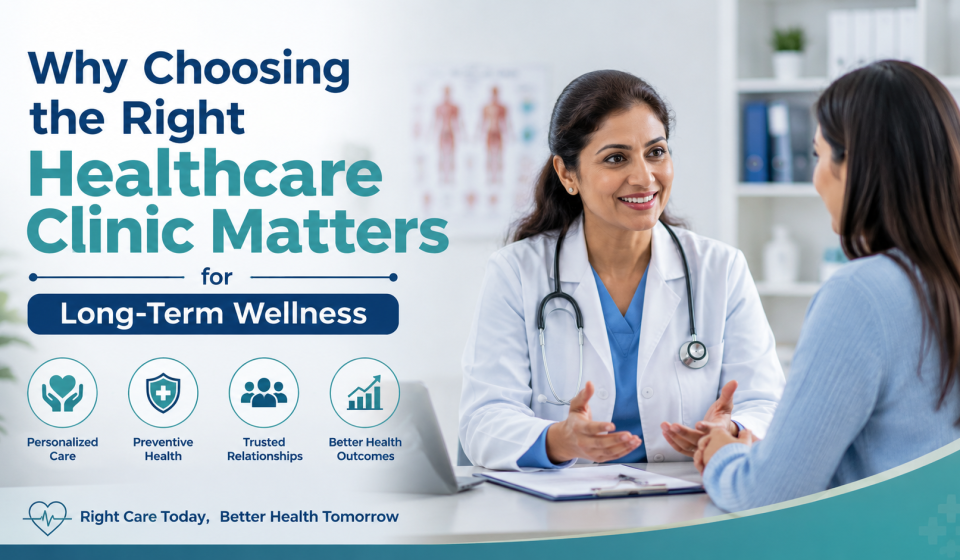
In today’s fast-paced world, people often visit a healthcare clinic only when they feel sick or experience severe symptoms. However, maintaining good health requires much more than occasional doctor visits. Choosing the right healthcare clinic plays a critical role in ensuring long-term wellness, preventing chronic diseases, and improving overall quality of life.
A reliable healthcare clinic becomes more than just a place for treatment—it becomes a long-term partner in your health journey. Whether it’s regular check-ups, preventive screenings, chronic disease management, or emergency support, the right clinic can significantly influence your physical, mental, and emotional well-being.
For families, individuals, children, and elderly patients alike, selecting the appropriate healthcare provider is one of the most important decisions they can make. This article explores why choosing the right healthcare clinic matters, how it affects your long-term health, and what factors you should consider when selecting a healthcare provider.
Understanding Long-Term Wellness
Long-term wellness refers to maintaining good physical, mental, and emotional health throughout different stages of life. It focuses on prevention rather than treatment alone.
Long-term wellness includes:
- Preventing diseases before they develop
- Early detection of health problems
- Managing chronic illnesses effectively
- Maintaining mental and emotional health
- Adopting healthier lifestyle habits
- Receiving consistent medical guidance
Healthcare experts worldwide emphasize that preventive and primary healthcare services are among the most effective ways to improve overall health outcomes and reduce future medical complications.
The Healthcare Clinic as Your Health Partner
Many people view healthcare clinics as places they visit only when they become ill. In reality, a good healthcare clinic serves as a long-term health partner.
A trusted clinic helps patients:
- Monitor their health regularly
- Identify risk factors early
- Develop personalized treatment plans
- Receive preventive screenings
- Access specialist referrals when needed
- Manage chronic conditions effectively
For example, consider two individuals with a family history of diabetes. One regularly visits a healthcare clinic for annual screenings and lifestyle counseling, while the other only seeks medical care when symptoms appear. The first person is far more likely to prevent complications through early intervention.
Why Choosing the Right Healthcare Clinic Is Important
1. Better Preventive Care
Prevention is always better than treatment.
The right healthcare clinic emphasizes preventive services such as:
- Routine health check-ups
- Vaccinations
- Blood pressure monitoring
- Diabetes screening
- Cholesterol testing
- Cancer screenings
- Women’s health examinations
- Mental health assessments
Preventive care helps identify health risks before they become serious illnesses. Research consistently shows that preventive healthcare reduces disease burden and improves life expectancy.
For example, detecting high blood pressure during a routine examination may prevent future heart attacks or strokes.
2. Early Detection Saves Lives
Many serious diseases develop slowly and silently.
Conditions such as:
- Diabetes
- Hypertension
- Heart disease
- Kidney disease
- Cancer
- Thyroid disorders
often show minimal symptoms during their early stages.
A quality healthcare clinic performs regular screenings and health assessments that help detect these diseases early. Early diagnosis generally results in:
- Better treatment outcomes
- Lower healthcare costs
- Fewer complications
- Faster recovery
- Improved quality of life
For instance, early-stage breast cancer identified during routine screening often has a significantly better prognosis than cancer diagnosed at advanced stages.
3. Continuity of Care Improves Health Outcomes
One of the biggest advantages of choosing the right clinic is continuity of care.
When patients repeatedly visit the same healthcare providers:
- Doctors understand their medical history better.
- Treatment decisions become more accurate.
- Medication errors decrease.
- Chronic diseases are monitored effectively.
- Patients feel more comfortable discussing concerns.
Continuity of care builds trust between patients and healthcare professionals.
Imagine explaining your entire medical history to a different doctor every time you visit a clinic. This lack of continuity can result in delayed diagnoses and fragmented treatment.
Healthcare systems centered around primary care and continuity consistently produce better health outcomes and improved patient satisfaction.
4. Better Management of Chronic Diseases
Millions of people live with chronic conditions such as:
- Diabetes
- High blood pressure
- Asthma
- Arthritis
- Thyroid disorders
- Heart disease
Managing these conditions requires ongoing monitoring rather than one-time treatment.
A good healthcare clinic provides:
- Regular follow-up visits
- Medication management
- Lifestyle counseling
- Diagnostic testing
- Specialist referrals
- Patient education
For example, a patient with diabetes who receives regular clinic follow-ups is more likely to maintain stable blood sugar levels and avoid complications such as kidney disease or vision loss.
5. Access to Experienced Healthcare Professionals
Not all healthcare clinics provide the same level of expertise.
The right clinic offers access to:
- Qualified doctors
- Experienced nurses
- Specialists
- Diagnostic professionals
- Counselors
- Nutrition experts
Experienced healthcare providers can:
- Diagnose problems more accurately
- Recommend appropriate treatments
- Identify warning signs early
- Provide evidence-based care
- Educate patients effectively
Quality healthcare depends heavily on the expertise and experience of medical professionals.
6. Personalized Healthcare Approach
Every individual has unique health needs.
A good healthcare clinic understands factors such as:
- Age
- Gender
- Family history
- Lifestyle habits
- Occupation
- Existing medical conditions
- Mental health status
Personalized care plans help patients achieve better long-term health outcomes.
For example:
- Young adults may require preventive counseling.
- Pregnant women require specialized monitoring.
- Elderly patients need chronic disease management.
- Children need growth and developmental assessments.
Personalized healthcare improves patient satisfaction and treatment effectiveness.
7. Improved Mental Health Support
Long-term wellness involves more than physical health.
Stress, anxiety, depression, and emotional challenges affect millions of people worldwide.
The right healthcare clinic provides:
- Mental health screening
- Counseling services
- Stress management support
- Referral to specialists
- Emotional wellness programs
Mental and physical health are closely connected. Patients with good mental health support often experience better physical health outcomes as well.
8. Convenience Encourages Better Healthcare Habits
Patients are more likely to attend appointments when healthcare services are convenient.
Important factors include:
- Easy appointment booking
- Online consultations
- Short waiting times
- Accessible location
- Digital health records
- Follow-up reminders
When healthcare becomes more convenient, patients tend to:
- Attend regular check-ups
- Complete treatments
- Follow medical advice
- Maintain preventive care routines
9. Reduced Long-Term Healthcare Costs
Many people choose healthcare providers based only on immediate costs.
However, poor-quality healthcare often leads to:
- Delayed diagnosis
- Multiple consultations
- Hospital admissions
- Emergency treatments
- Complications
Investing in a reliable healthcare clinic can actually reduce overall healthcare expenses in the long run.
For example, spending money on annual health screenings may prevent expensive hospital treatment for advanced disease later.
10. Family-Centered Healthcare Benefits Everyone
The right healthcare clinic often becomes a healthcare partner for the entire family.
Family-centered care offers benefits such as:
- Shared medical history management
- Consistent healthcare advice
- Easier appointment scheduling
- Better preventive care planning
- Improved communication
This approach ensures continuity and coordinated care across generations.
What Should You Look for When Choosing a Healthcare Clinic?
When selecting a healthcare clinic, consider the following factors:
✔ Qualified Medical Staff
Ensure doctors and healthcare professionals are experienced and licensed.
✔ Preventive Care Services
Look for clinics that focus on wellness, screenings, and disease prevention.
✔ Diagnostic Facilities
Choose clinics with modern diagnostic equipment.
✔ Patient Reviews
Read reviews and patient experiences.
✔ Accessibility
Consider location, operating hours, and emergency support.
✔ Cleanliness and Safety
A hygienic environment reflects quality healthcare standards.
✔ Communication
Healthcare providers should listen carefully and explain treatments clearly.
✔ Follow-Up Support
Regular follow-ups improve treatment outcomes.
The Future of Long-Term Healthcare
Healthcare is shifting from reactive treatment to preventive wellness.
Modern healthcare clinics increasingly focus on:
- Personalized medicine
- Preventive screenings
- Telemedicine
- Digital health records
- Lifestyle counseling
- Mental health support
- Community wellness programs
This patient-centered approach helps individuals live healthier and longer lives.
Healthcare organizations worldwide recognize primary healthcare as the foundation of effective long-term wellness systems.
Sources
https://sl1nk.com/d2hxri6
https://sl1nk.com/seprboo
Conclusion
Choosing the right healthcare clinic is one of the most important decisions you can make for your long-term wellness. A good clinic does more than treat illnesses—it helps prevent diseases, supports healthy lifestyle choices, manages chronic conditions, and promotes overall well-being throughout every stage of life.
By selecting a trusted healthcare provider that emphasizes preventive care, continuity of treatment, personalized services, and patient-centered care, you invest not only in your current health but also in your future quality of life.
Remember, long-term wellness isn’t achieved through occasional treatment—it is built through consistent, quality healthcare partnerships.
Frequently Asked Questions (FAQs)
1. Why is choosing the right healthcare clinic important?
Choosing the right healthcare clinic ensures better preventive care, early disease detection, effective treatment, and long-term health management.
2. How does preventive healthcare improve long-term wellness?
Preventive healthcare identifies health risks early, reduces complications, prevents diseases, and improves overall life expectancy.
3. What should I consider before selecting a healthcare clinic?
Consider doctor qualifications, preventive services, patient reviews, accessibility, diagnostic facilities, and quality of care.
4. Can regular clinic visits reduce healthcare costs?
Yes. Regular check-ups and early diagnosis can prevent expensive hospital treatments and long-term complications.
5. How often should adults visit a healthcare clinic?
Most adults should visit a healthcare provider at least once a year for preventive check-ups, though frequency depends on age and health conditions.