
Visiting a healthcare clinic regularly is one of the simplest ways to protect your health, yet many people only visit a doctor when they feel sick. In today’s busy lifestyle, people often ignore small symptoms, delay checkups, or depend on temporary home remedies. However, regular clinic visits can help detect health problems early, prevent serious diseases, and improve overall well-being.
Early Detection of Health Problems
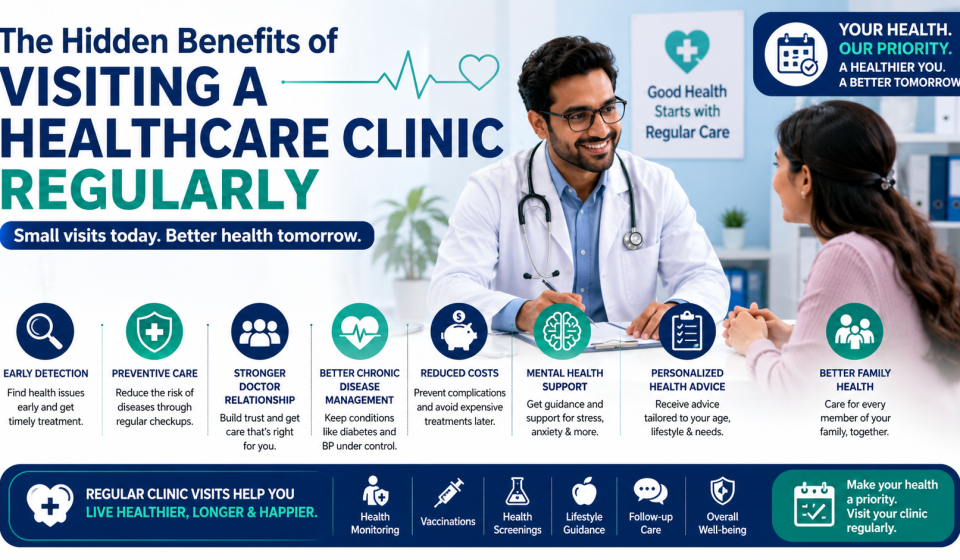
One of the biggest benefits of visiting a healthcare clinic regularly is early detection. Many health conditions do not show clear symptoms in the beginning. Problems like high blood pressure, diabetes, thyroid disorders, cholesterol issues, heart disease, and kidney problems can develop silently over time.
Regular checkups help doctors identify warning signs before the condition becomes serious. Simple tests such as blood pressure measurement, blood sugar testing, cholesterol screening, and basic blood reports can provide important information about your health.
Early detection allows faster treatment and better outcomes. When health problems are found at an early stage, they are often easier to manage and less expensive to treat.
Better Preventive Care
Preventive care is one of the most important reasons to visit a clinic regularly. Instead of waiting for illness, preventive care focuses on avoiding disease before it starts.
Healthcare clinics provide vaccinations, health screenings, lifestyle counseling, diet advice, and regular monitoring. These services help reduce the risk of serious conditions such as heart disease, diabetes, infections, and lifestyle-related illnesses.
Preventive care is especially important for children, elderly people, pregnant women, and people with family histories of chronic diseases. Regular clinic visits help doctors recommend the right preventive steps based on age, lifestyle, and health condition.
Stronger Doctor-Patient Relationship
When you visit the same healthcare clinic regularly, your doctor gets to know your medical history, lifestyle, allergies, past treatments, and personal health goals. This creates a stronger doctor-patient relationship.
A doctor who understands your health background can provide better advice and more accurate treatment. You may also feel more comfortable discussing symptoms, concerns, or lifestyle habits.
Trust is an important part of healthcare. When patients trust their doctors, they are more likely to follow treatment plans, take medicines correctly, and attend follow-up appointments. This improves overall health outcomes.
Better Management of Chronic Diseases
Chronic diseases such as diabetes, high blood pressure, asthma, arthritis, thyroid problems, and heart disease require regular monitoring. Many people make the mistake of visiting a doctor only when symptoms become severe.
Regular clinic visits help manage chronic conditions more effectively. Doctors can check whether medicines are working, adjust doses when needed, and monitor progress through routine tests.
Consistent care helps prevent complications. For example, a patient with diabetes needs regular blood sugar checks, diet guidance, foot care advice, and eye checkups. A person with high blood pressure needs regular monitoring to reduce the risk of heart disease or stroke.
By visiting a clinic regularly, patients can stay in control of long-term health conditions.
Reduced Healthcare Costs Over Time
Many people avoid clinic visits because they worry about medical expenses. However, regular checkups can actually reduce healthcare costs over time.
When diseases are detected early, treatment is usually simpler and less expensive. Delaying care can lead to serious complications that may require hospital admission, surgery, or long-term medication.
For example, managing high blood pressure early is much cheaper than treating a heart attack or stroke later. Preventive screenings and timely medical advice can save both money and stress in the future.
Regular clinic visits are an investment in long-term health.
Improved Mental Health Support
Healthcare clinics also play an important role in mental health. Stress, anxiety, sleep problems, depression, and emotional exhaustion are becoming common in modern life. Many people ignore these issues or feel uncomfortable talking about them.
During regular clinic visits, doctors can identify signs of mental health concerns and guide patients toward proper support. Sometimes, physical symptoms such as headaches, fatigue, body pain, or digestive problems may be linked to stress or anxiety.
A trusted healthcare provider can help patients understand the connection between physical and mental health. Early support can prevent mental health issues from becoming more serious.
Personalized Health Advice
Every person’s health needs are different. Age, lifestyle, work routine, diet, family history, sleep habits, and physical activity all affect health. Regular clinic visits allow doctors to provide personalized advice based on your individual condition.
For example, a young professional may need guidance on stress management and posture problems. An elderly patient may need advice on bone health, blood pressure, and medication management. A child may need vaccination schedules and growth monitoring.
Personalized health advice helps patients make better choices in daily life. It can improve energy levels, immunity, weight management, sleep quality, and overall wellness.
Better Medication Safety
Many people take medicines without proper guidance or stop taking prescribed medicines when they feel better. This can be risky. Regular clinic visits help ensure that medicines are safe, effective, and suitable for the patient.
Doctors can review current medicines, check for side effects, and avoid harmful drug interactions. This is especially important for elderly patients and people taking multiple medications.
Medication safety also includes correct dosage, timing, and duration. Regular follow-ups help patients understand how to take medicines properly and when to stop or continue treatment.
Health Education and Awareness
Healthcare clinics are valuable sources of health education. During clinic visits, patients can learn about nutrition, exercise, hygiene, sleep, stress control, disease prevention, and healthy habits.
Good health education helps people make informed decisions. It also reduces fear and confusion about medical conditions.
For families, regular clinic visits help parents understand child health, vaccination, seasonal illnesses, and nutrition. For adults, clinics provide awareness about lifestyle diseases and preventive screenings.
Better awareness leads to better health choices.
Support for Family Health
Regular clinic visits are not only beneficial for individuals but also for families. A family healthcare clinic can track the health needs of children, adults, and elderly members.
Family-focused care helps maintain vaccination records, monitor growth, manage chronic diseases, and provide preventive advice for all age groups.
When families visit clinics regularly, they are more likely to develop healthy routines. This creates a stronger foundation for long-term wellness.
Convenient Access to Medical Services
Modern healthcare clinics are becoming more convenient and patient-friendly. Many clinics offer online appointment booking, digital reports, telemedicine consultations, health packages, and follow-up reminders.
This convenience encourages patients to stay consistent with their healthcare. Instead of waiting for symptoms to become serious, they can easily schedule routine visits and get timely medical advice.
Accessible clinics also reduce pressure on hospitals by handling common illnesses, minor injuries, preventive care, and regular monitoring.
Source
https://sl1nk.com/tphjmcl
https://l1nq.com/a91j8qr
Conclusion
The hidden benefits of visiting a healthcare clinic regularly are powerful and long-lasting. Regular clinic visits help detect health problems early, prevent diseases, manage chronic conditions, reduce healthcare costs, and improve overall well-being.
Healthcare clinics also provide personalized guidance, mental health support, medication safety, and valuable health education. By building a trusted relationship with healthcare providers, patients can take better control of their health.
In today’s fast-changing world, regular clinic visits are not just about treating illness. They are about prevention, awareness, and living a healthier life. Making healthcare clinic visits a regular habit can protect your future and improve your quality of life.
FAQs
1. Why should I visit a healthcare clinic regularly?
Regular clinic visits help detect health problems early, prevent serious diseases, manage existing conditions, and improve overall health.
2. How often should I visit a healthcare clinic?
For general health, many people visit a clinic once or twice a year for checkups. People with chronic diseases may need more frequent visits based on doctor advice.
3. Can regular clinic visits reduce medical costs?
Yes. Early detection and preventive care can help avoid serious complications, hospital admissions, and expensive treatments later.
4. What services do healthcare clinics provide?
Healthcare clinics provide consultations, routine checkups, vaccinations, blood tests, preventive screenings, chronic disease care, lifestyle advice, and follow-up treatment.
5. Are healthcare clinics good for chronic disease management?
Yes. Clinics help monitor conditions like diabetes, blood pressure, asthma, thyroid problems, and heart disease through regular follow-ups and tests.