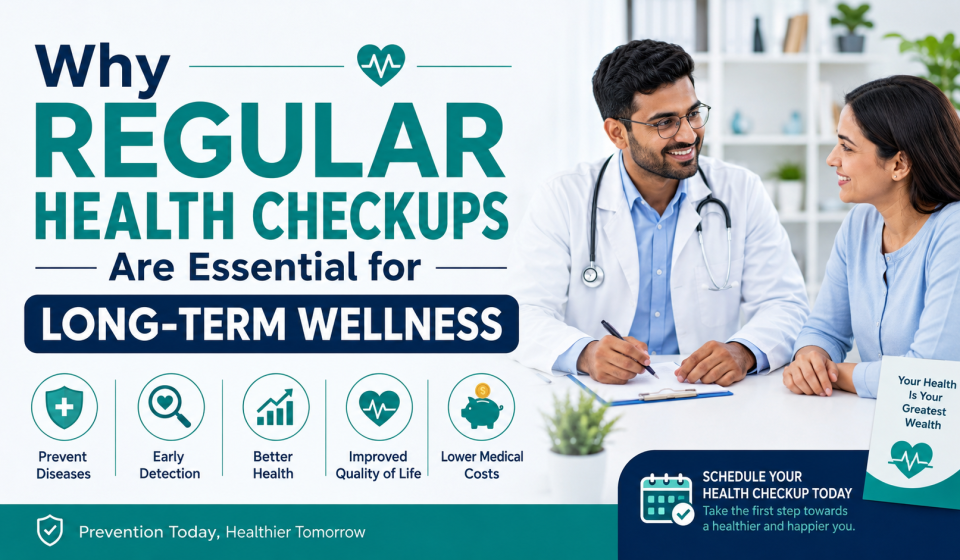

In today’s fast-paced world, many people only visit a healthcare provider when they feel sick or experience noticeable symptoms. However, maintaining good health involves much more than treating illnesses after they occur. Regular health checkups play a vital role in preventing diseases, identifying health risks early, and ensuring long-term wellness.
Preventive healthcare has become increasingly important as chronic diseases such as diabetes, hypertension, heart disease, and obesity continue to affect millions of people worldwide. Routine medical examinations allow healthcare professionals to detect potential problems before they become serious, helping individuals live healthier and longer lives.
This article explores the importance of regular health checkups, their benefits, recommended screenings, and how they contribute to long-term wellness.
What Are Regular Health Checkups?
Regular health checkups are routine medical examinations conducted by healthcare professionals to evaluate an individual’s overall health. These checkups may include:
- Physical examinations
- Blood pressure monitoring
- Blood tests
- Cholesterol screening
- Diabetes screening
- Weight and BMI assessment
- Vaccination updates
- Cancer screenings
- Lifestyle and nutrition assessments
The primary goal of regular health checkups is to identify health issues before symptoms develop and provide preventive care to maintain optimal health.
Why Preventive Healthcare Matters
Preventive healthcare focuses on preventing diseases rather than treating them after they occur. Many serious health conditions develop gradually and may not show symptoms during their early stages.
For example:
- High blood pressure often has no symptoms.
- Type 2 diabetes can remain undiagnosed for years.
- High cholesterol may go unnoticed until it causes heart problems.
- Certain cancers can develop silently before becoming advanced.
Regular health checkups help detect these conditions early, allowing timely intervention and treatment.
Early Detection of Diseases Saves Lives
One of the most important benefits of regular health checkups is early disease detection.
Detecting Health Problems Before Symptoms Appear
Many illnesses begin silently and only become noticeable after significant damage has occurred. Routine screenings can identify:
- Heart disease risk factors
- Diabetes
- Kidney disorders
- Liver problems
- Thyroid conditions
- Certain cancers
Early diagnosis often leads to more effective treatment, reduced healthcare costs, and better outcomes.
Improved Treatment Success
When diseases are identified early:
- Treatment options are often less invasive.
- Recovery rates are higher.
- Medical expenses are lower.
- Long-term complications can be prevented.
This is especially true for conditions such as cancer, cardiovascular disease, and diabetes.
Monitoring Existing Health Conditions
Individuals who already have medical conditions benefit significantly from routine checkups.
Regular monitoring helps healthcare providers:
- Evaluate treatment effectiveness
- Adjust medications when necessary
- Prevent complications
- Track disease progression
Patients with conditions such as:
- Diabetes
- Hypertension
- Asthma
- Heart disease
- Thyroid disorders
should follow regular checkup schedules recommended by their healthcare providers.
Managing Risk Factors for Chronic Diseases
Chronic diseases are among the leading causes of illness and death globally.
Routine health checkups help identify risk factors such as:
High Blood Pressure
Uncontrolled hypertension increases the risk of:
- Heart attacks
- Stroke
- Kidney disease
Regular blood pressure monitoring helps detect issues early.
High Cholesterol
High cholesterol contributes to:
- Blocked arteries
- Heart disease
- Stroke
Routine cholesterol screenings allow timely lifestyle changes and treatment.
Obesity
Weight assessments help identify obesity-related risks such as:
- Diabetes
- Joint problems
- Heart disease
Healthcare professionals can recommend personalized weight management strategies.
Supporting Heart Health
Heart disease remains one of the most common causes of death worldwide.
Regular health checkups play a crucial role in maintaining cardiovascular health by monitoring:
- Blood pressure
- Cholesterol levels
- Blood sugar levels
- Body weight
- Lifestyle habits
Healthcare providers can recommend preventive measures such as:
- Healthy eating
- Regular exercise
- Smoking cessation
- Stress management
These strategies significantly reduce cardiovascular risks.
Promoting Better Mental Health
Health checkups are not limited to physical wellness.
Mental health is an essential part of overall well-being.
Routine visits provide opportunities to discuss:
- Stress
- Anxiety
- Depression
- Sleep disorders
- Emotional challenges
Early recognition of mental health concerns allows individuals to receive appropriate support and treatment before symptoms worsen.
Keeping Vaccinations Up to Date
Vaccinations play a critical role in disease prevention.
During regular health checkups, healthcare providers review immunization records and recommend necessary vaccines.
Common vaccinations include:
- Influenza vaccine
- COVID-19 vaccine
- Tetanus booster
- Hepatitis vaccines
- Pneumonia vaccine
- Shingles vaccine
Staying current with vaccinations helps protect both individuals and communities.
Improving Lifestyle Habits
One of the valuable aspects of regular health checkups is lifestyle counseling.
Healthcare professionals provide personalized advice on:
Nutrition
Healthy eating habits help:
- Maintain ideal body weight
- Reduce chronic disease risks
- Improve energy levels
Physical Activity
Exercise recommendations support:
- Heart health
- Muscle strength
- Mental well-being
Sleep Quality
Adequate sleep improves:
- Immune function
- Cognitive performance
- Emotional health
Stress Management
Managing stress effectively reduces risks associated with:
- High blood pressure
- Anxiety
- Heart disease
These discussions help individuals adopt healthier daily habits.
Recommended Health Screenings by Age
Health screening needs vary depending on age, gender, and risk factors.
Adults Aged 20–39
Recommended screenings may include:
- Blood pressure checks
- Cholesterol screening
- Weight assessment
- Diabetes risk evaluation
- Routine physical exams
Adults Aged 40–59
Additional screenings may include:
- Blood glucose testing
- Cardiovascular assessments
- Cancer screenings
- Vision and hearing evaluations
Adults Aged 60 and Above
Older adults may require:
- Bone density testing
- Colon cancer screening
- Heart health monitoring
- Cognitive health evaluations
Healthcare providers can recommend individualized screening schedules.
Reducing Long-Term Healthcare Costs
Many people avoid checkups because they believe they are unnecessary expenses.
In reality, preventive care often saves money.
Early diagnosis helps avoid:
- Emergency medical treatments
- Hospitalizations
- Advanced disease management costs
- Surgical interventions
Investing in regular health checkups today can prevent significant healthcare expenses in the future.
Enhancing Quality of Life
Good health is closely linked to quality of life.
Regular medical examinations contribute to:
- Increased energy levels
- Better physical functioning
- Improved mental well-being
- Greater productivity
- Longer lifespan
People who actively manage their health often experience better overall life satisfaction.
Building a Strong Relationship with Your Healthcare Provider
Routine visits help establish trust between patients and healthcare professionals.
A strong patient-provider relationship offers several benefits:
- Better communication
- Personalized healthcare plans
- Improved treatment adherence
- More effective preventive care
Healthcare providers become familiar with an individual’s medical history and can offer tailored recommendations.
Common Signs You Should Schedule a Health Checkup
Even if you feel healthy, regular examinations are important.
However, you should seek medical attention promptly if you experience:
- Persistent fatigue
- Unexplained weight changes
- Frequent headaches
- Shortness of breath
- Chest discomfort
- Digestive issues
- Sleep disturbances
- Mood changes
Ignoring these symptoms may delay diagnosis and treatment.
How Often Should You Get a Health Checkup?
The ideal frequency depends on age, health status, and risk factors.
General recommendations include:
- Healthy adults: Every 1–3 years
- Adults over 40: Annually
- Individuals with chronic conditions: As recommended by their healthcare provider
Your doctor can determine the most appropriate schedule for your specific needs.
Why Choose Restorix Clinic for Preventive Healthcare?
At Restorix Clinic, we believe prevention is the foundation of lifelong wellness.
Our healthcare professionals provide:
- Comprehensive health assessments
- Personalized wellness plans
- Preventive screenings
- Chronic disease management
- Lifestyle counseling
- Patient-centered care
We are committed to helping individuals and families achieve better health outcomes through proactive and preventive healthcare services.
Sources
- World Health Organization (WHO) – Preventive Health Services
- Centers for Disease Control and Prevention (CDC) – Preventive Care Benefits
- National Institutes of Health (NIH) – Health Screening Guidelines
- MedlinePlus – Health Checkups and Screening Tests
- Mayo Clinic – Preventive Health Care
- Cleveland Clinic – Importance of Annual Checkups
Conclusion
Regular health checkups are one of the most effective ways to protect your long-term health and well-being. They enable early disease detection, support chronic disease management, promote healthier lifestyle choices, and reduce healthcare costs over time.
Rather than waiting for symptoms to appear, proactive healthcare empowers individuals to take control of their health and make informed decisions about their future.
Investing in routine medical examinations today can lead to a healthier, happier, and longer life. Prioritizing preventive care is not just about avoiding illness—it is about achieving lasting wellness and enjoying the highest possible quality of life.
Frequently Asked Questions
1. Why are regular health checkups important?
Regular health checkups help detect diseases early, monitor health conditions, and promote preventive care for long-term wellness.
2. How often should adults get health checkups?
Most adults should have a health checkup every one to three years, while individuals over 40 may benefit from annual examinations.
3. Can health checkups detect diseases before symptoms appear?
Yes. Many conditions such as diabetes, high blood pressure, and certain cancers can be detected through routine screenings before symptoms develop.
4. Are health checkups beneficial if I feel healthy?
Absolutely. Preventive healthcare helps identify hidden health risks and supports long-term wellness even when no symptoms are present.
5. What tests are commonly included in a routine health checkup?
Common tests include blood pressure monitoring, cholesterol screening, blood sugar testing, weight assessment, and physical examinations.
6. How do regular health checkups improve quality of life?
They help maintain good health, prevent complications, encourage healthy habits, and support early treatment when necessary.