
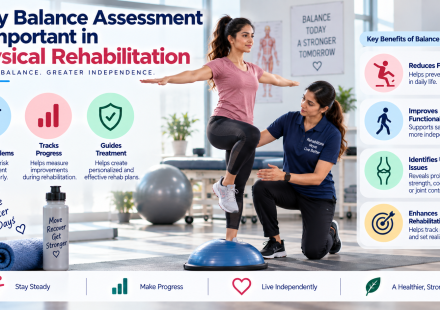
Why Balance Assessment Is Important in Physical Rehabilitation

Discover why balance assessment is important in physical rehabilitation, how therapists evaluate balance, common balance tests, and how assessment helps improve mobility, safety, independence, and recovery. Balance is an essential part of everyday…
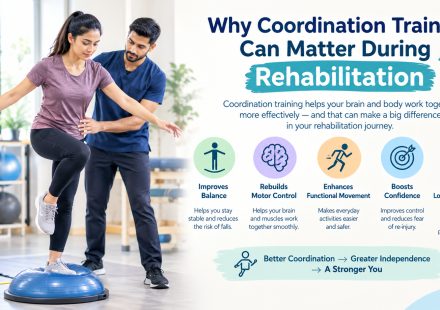
Why Coordination Training Matters During Rehabilitation: Improving Movement, Balance, and Everyday Independence
Discover why coordination training matters during rehabilitation and how it can support balance, movement control, walking, functional activities, confidence, and everyday independence. Coordination is an important part of almost every movement people…
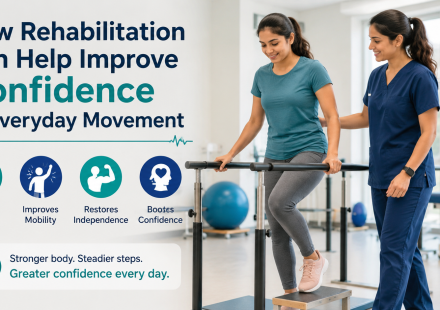
How Rehabilitation Can Help Improve Confidence in Everyday Movement
Discover how rehabilitation can improve confidence in everyday movement by rebuilding strength, balance, mobility, coordination and independence through gradual, guided recovery. Everyday movement may seem simple until an injury, surgery, illness,…
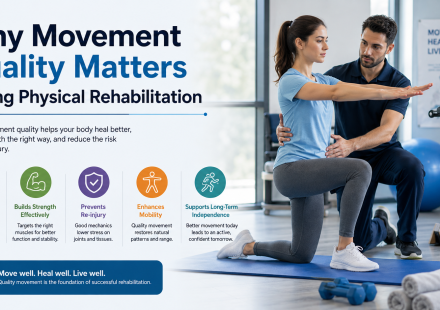
Why Movement Quality Matters During Physical Rehabilitation
Learn why movement quality matters during physical rehabilitation and how proper movement patterns can support strength, mobility, balance, safety, and long-term recovery. Physical rehabilitation is not simply about doing more exercises or becoming…
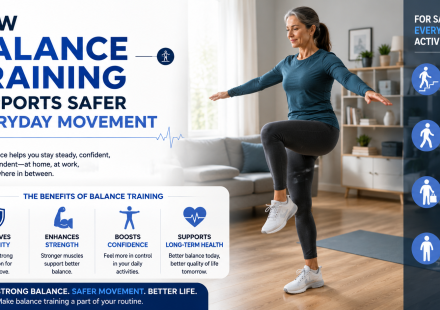
How Balance Training Supports Safer Everyday Movement
Learn how balance training supports safer everyday movement, improves stability and coordination, and helps people maintain confidence and physical independence. Balance is something people use throughout the day, often without thinking about it. Walking…
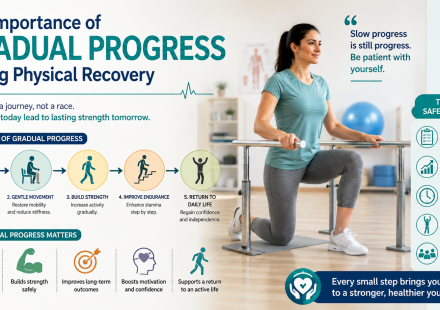
The Power of Small Steps: Why Gradual Progress Is Essential for Safe and Successful Physical Recovery
Discover why gradual progress during physical recovery matters, how pacing supports rehabilitation, and how small, consistent improvements can help rebuild strength, mobility, confidence, and independence. Physical recovery is rarely an overnight…