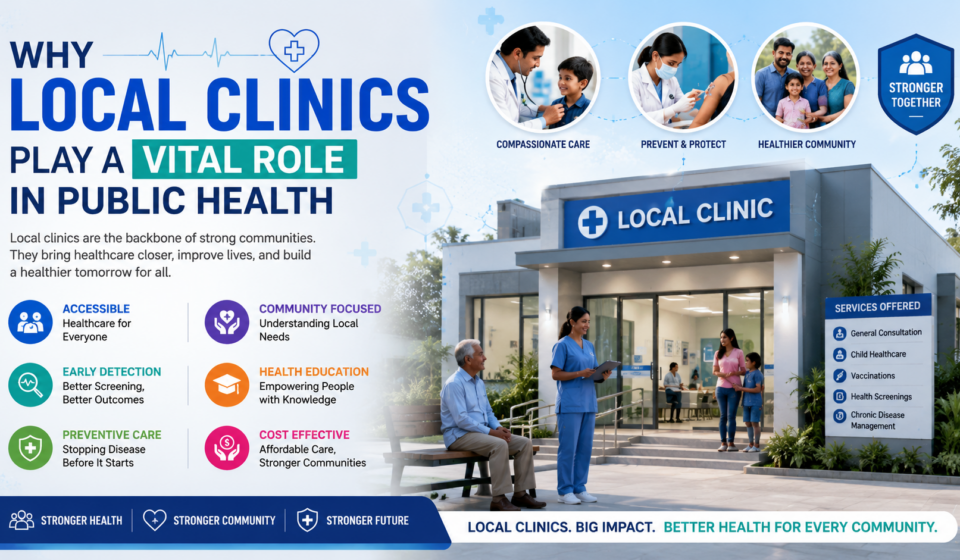

Local clinics are one of the most important parts of any healthcare system. While large hospitals often receive more attention, local clinics are usually the first place people visit when they feel sick, need a checkup, require basic treatment, or want medical advice. These clinics serve as the foundation of public health because they make healthcare more accessible, affordable, and community-focused.
Supporting Chronic Disease Management
Millions of people live with chronic conditions such as diabetes, hypertension, asthma, and heart disease. These conditions require regular monitoring and ongoing care. Local clinics provide convenient access to healthcare professionals who can help patients manage these illnesses effectively.
Regular visits to local clinics allow patients to monitor their health, adjust medications when necessary, and receive guidance on healthy lifestyle choices. By helping individuals manage chronic diseases, clinics reduce the risk of complications and improve overall quality of life.
Reducing Pressure on Hospitals
Hospitals are designed to handle serious illnesses, surgeries, emergencies, and specialized treatments. However, many patients visit hospitals for minor conditions that can easily be treated at a local clinic.
By providing primary healthcare services, local clinics reduce unnecessary hospital visits. This allows hospitals to focus on critical cases while ensuring that patients with minor illnesses receive timely treatment. As a result, healthcare systems become more efficient and cost-effective.
Improving Community Health Outcomes
Local clinics are deeply connected to the communities they serve. Healthcare professionals often understand local health challenges, cultural factors, and common diseases affecting the population. This local knowledge allows clinics to provide more personalized and effective care.
Community-based healthcare helps improve vaccination rates, reduce disease outbreaks, promote healthier lifestyles, and increase awareness about important health issues. Over time, these efforts contribute to better public health outcomes and stronger communities.
Affordable Healthcare for Everyone
Healthcare affordability remains a major concern in many regions. Local clinics often provide cost-effective healthcare services compared to larger hospitals. This makes medical care more accessible to individuals and families with limited financial resources.
Affordable healthcare encourages people to seek medical attention when needed instead of delaying treatment due to cost concerns. Early treatment often leads to better outcomes and lower healthcare expenses in the long run.
Promoting Health Equity
Health equity means ensuring that everyone has access to quality healthcare regardless of income, location, age, or background. Local clinics play an important role in achieving this goal.
Many clinics serve underserved populations, including rural communities, low-income families, elderly individuals, and vulnerable groups. By bringing healthcare services closer to those who need them most, clinics help reduce health disparities and improve overall public health.
The Future of Local Clinics
As healthcare continues to evolve, local clinics are becoming even more important. Advances in digital health, telemedicine, electronic health records, and AI-powered diagnostic tools are helping clinics deliver better care more efficiently.
Modern clinics are expanding their services to include virtual consultations, remote monitoring, wellness programs, and preventive healthcare initiatives. These innovations make healthcare more accessible while maintaining the personal connection that local clinics provide.
Source
https://l1nq.com/696sa11
https://sl1nk.com/l04wm1w
Conclusion
Local clinics are the backbone of public health systems around the world. They provide accessible, affordable, and community-focused healthcare services that improve the well-being of individuals and families. From preventive care and early diagnosis to chronic disease management and health education, clinics play a critical role in keeping communities healthy.
By reducing pressure on hospitals, promoting health equity, and supporting disease prevention, local clinics contribute significantly to stronger public health outcomes. As healthcare technology continues to advance, the importance of local clinics will only continue to grow, ensuring better healthcare access and healthier communities for future generations.
Frequently Asked Questions (FAQs)
1. Why are local clinics important for public health?
Local clinics provide accessible healthcare, preventive services, health education, and early disease detection, helping improve community health outcomes.
2. How do local clinics reduce pressure on hospitals?
They treat common illnesses, provide routine checkups, and manage chronic conditions, allowing hospitals to focus on serious and emergency cases.
3. What services do local clinics typically offer?
Most clinics offer primary care, vaccinations, health screenings, chronic disease management, preventive care, and health consultations.
4. How do clinics help with disease prevention?
Clinics provide vaccinations, health education, screenings, and lifestyle guidance that help prevent diseases before they become serious.
5. Are local clinics more affordable than hospitals?
In many cases, yes. Local clinics generally offer lower-cost healthcare services for routine medical needs and preventive care.