
Healthcare expectations are changing quickly, and patients today want more than a simple doctor consultation. They look for fast service, accurate diagnosis, comfortable facilities, digital convenience, specialist access, and personalized care. In 2026, modern medical clinics are becoming a preferred choice for many patients because they combine healthcare expertise with technology, efficiency, and patient-focused services.
Faster and More Convenient Appointments
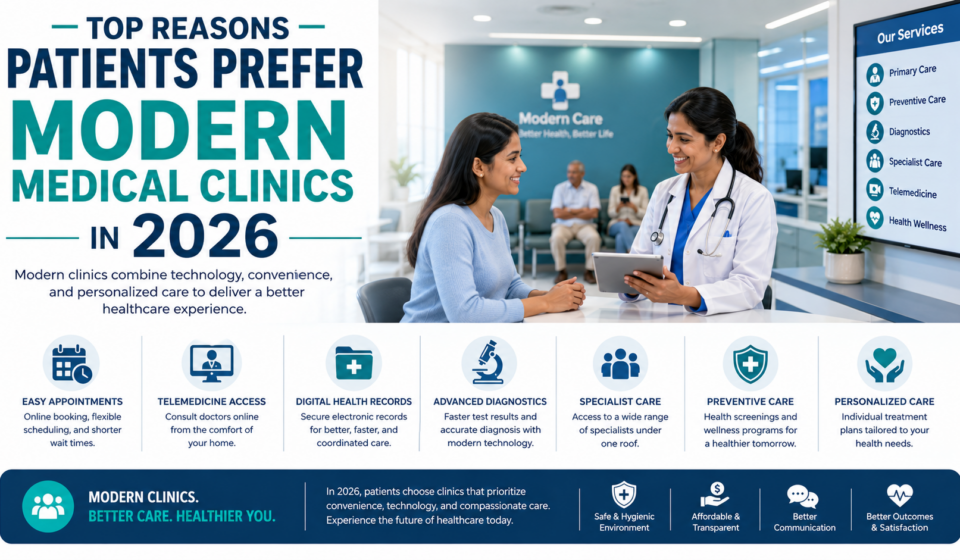
One of the top reasons patients prefer modern medical clinics is convenience. Many clinics now offer online appointment booking, digital reminders, and flexible scheduling. Patients can choose available time slots without making multiple phone calls or waiting in long queues.
In busy lifestyles, time matters. Working professionals, parents, elderly patients, and students all benefit from quick appointment systems. Modern clinics often reduce waiting times by using better scheduling software and organized patient flow.
This convenience makes patients more likely to visit doctors early instead of delaying care.
Better Patient Experience
Modern medical clinics focus strongly on patient comfort. From clean waiting areas and friendly staff to clear communication and smooth billing systems, every part of the clinic experience matters.
Patients prefer clinics where they feel respected, heard, and supported. A positive experience can reduce anxiety and build trust between patients and healthcare providers.
In 2026, patient experience is becoming an important part of healthcare quality. Clinics that provide a comfortable environment and helpful service are more likely to attract and retain patients.
Access to Advanced Technology
Technology is one of the biggest reasons modern clinics are growing in popularity. Many clinics use electronic health records, digital prescriptions, online test reports, telemedicine platforms, and smart diagnostic tools.
These technologies help doctors make faster and more informed decisions. Patients can also access their health information more easily and avoid carrying paper files everywhere.
Advanced technology improves accuracy, reduces paperwork, and supports better follow-up care. This makes modern clinics more efficient than traditional healthcare setups.
Electronic Health Records for Better Care
Electronic health records, also known as EHRs, are digital versions of patient medical files. They include medical history, prescriptions, allergies, lab results, past treatments, and follow-up notes.
Patients prefer clinics that use EHRs because their information is stored safely and can be accessed quickly during visits. Doctors can understand the patient’s health background better and avoid repeated questions or unnecessary tests.
Digital records also support continuity of care. If a patient visits the clinic again, the doctor can review previous details and provide more accurate treatment.
Telemedicine and Online Consultations
Telemedicine has become a major reason patients prefer modern medical clinics. Online consultations allow patients to speak with doctors through video calls, phone calls, or digital platforms.
This is useful for follow-up visits, minor health concerns, medication reviews, mental health support, and chronic disease monitoring. Patients who live far away or have difficulty traveling can still receive medical advice.
Telemedicine saves time and makes healthcare more accessible. In 2026, many patients expect clinics to offer both in-person and online care options.
Faster Diagnosis and Testing
Modern medical clinics often provide diagnostic services or have strong links with labs and imaging centers. Some clinics offer blood tests, ECG, ultrasound, health screenings, and other basic investigations.
This helps patients receive test results faster and begin treatment sooner. Quick diagnosis is especially important for infections, diabetes, heart problems, thyroid issues, and other common health concerns.
Patients prefer clinics where consultation, testing, and follow-up are well connected. It saves time and reduces confusion.
Personalized Treatment Plans
Every patient has different health needs. Modern clinics understand this and focus on personalized care. Doctors consider medical history, lifestyle, age, symptoms, risk factors, and test results before creating a treatment plan.
Personalized care helps improve treatment outcomes. It also makes patients feel valued because their care is designed around their individual needs.
For example, two patients with the same condition may need different medicines, diets, exercise plans, or follow-up schedules. Modern clinics are better equipped to provide this kind of customized care.
Preventive Healthcare Services
Patients in 2026 are becoming more aware of preventive healthcare. They do not want to wait until they become seriously ill. Instead, they prefer clinics that offer regular checkups, screenings, vaccinations, and lifestyle counseling.
Modern medical clinics support preventive care by helping patients detect health risks early. Common preventive services include blood pressure checks, diabetes screening, cholesterol testing, cancer screenings, weight management, and immunizations.
Preventive healthcare can reduce future complications and help patients maintain long-term wellness.
Better Chronic Disease Management
Chronic diseases such as diabetes, hypertension, asthma, thyroid disorders, arthritis, obesity, and heart disease require continuous care. Patients with these conditions need regular monitoring, medication adjustments, lifestyle advice, and follow-up consultations.
Modern clinics provide structured care for chronic diseases. They may use digital records, reminders, remote monitoring tools, and care plans to help patients stay consistent with treatment.
This organized approach helps reduce complications and improves quality of life. Patients prefer clinics that support them beyond a single consultation.
Access to Multiple Specialists
Many modern medical clinics offer access to different healthcare professionals, such as general physicians, pediatricians, gynecologists, dermatologists, cardiologists, dentists, dietitians, physiotherapists, and mental health counselors.
Patients prefer clinics where they can access specialist care without visiting multiple locations. Multi-specialty support saves time and improves coordination between doctors.
For families, this is especially helpful because children, adults, and elderly members can receive care in one place.
Affordable and Transparent Services
Cost is an important factor in healthcare decisions. Patients prefer clinics that offer transparent pricing, clear billing, and affordable services.
Modern clinics often provide health packages, preventive checkup plans, and clear consultation fees. This helps patients plan their healthcare expenses better.
Transparent communication about costs builds trust and reduces patient stress. When patients understand what they are paying for, they feel more confident about choosing the clinic.
Cleaner, Safer, and More Organized Facilities
Patients notice the clinic environment. Cleanliness, hygiene, infection control, organized waiting areas, and proper medical equipment are all important.
Modern clinics usually focus on maintaining safer and more professional facilities. This is especially important after recent global health challenges, where hygiene awareness increased significantly.
Patients prefer clinics that make them feel safe and cared for from the moment they enter.
Digital Communication and Follow-Up
Modern clinics use digital tools to stay connected with patients. SMS reminders, WhatsApp updates, emails, app notifications, and online portals help patients remember appointments, collect reports, and follow treatment plans.
Good follow-up care improves treatment success. Patients appreciate clinics that remind them about medicines, repeat tests, vaccinations, or future consultations.
Digital communication also reduces missed appointments and helps patients stay engaged with their health.
More Focus on Wellness and Lifestyle
Modern medical clinics are not limited to treating illness. Many now focus on wellness, lifestyle improvement, nutrition, fitness, mental health, and preventive habits.
Patients prefer clinics that guide them toward healthier living, not just temporary symptom relief. Lifestyle counseling can help prevent obesity, diabetes, heart disease, stress-related problems, and other health issues.
This wellness-focused approach makes modern clinics more valuable for long-term health.
Trust and Patient-Centered Care
Patients prefer clinics where they feel listened to and understood. Patient-centered care means doctors explain conditions clearly, answer questions, respect patient choices, and involve patients in treatment decisions.
Trust is one of the strongest reasons patients return to the same clinic. Modern medical clinics that combine professional care with compassion create long-lasting relationships with patients.
In 2026, successful clinics are those that treat patients as people, not just medical cases.
Source
https://sl1nk.com/nqmug3e
https://l1nq.com/lbnns6l
Conclusion
Modern medical clinics are becoming the preferred healthcare choice for many patients in 2026 because they offer convenience, technology, comfort, specialist access, preventive care, and personalized treatment. Patients want healthcare that is fast, reliable, affordable, and easy to access.
From online appointments and telemedicine to electronic health records, digital follow-ups, diagnostic services, and chronic disease management, modern clinics are changing how people experience healthcare.
The future of healthcare will continue to move toward patient-centered, technology-supported, and preventive care. Modern medical clinics are leading this change by making healthcare smarter, simpler, and more connected.
FAQs
1. Why do patients prefer modern medical clinics in 2026?
Patients prefer modern medical clinics because they offer faster appointments, digital services, better facilities, advanced technology, specialist access, and more personalized care.
2. What makes a medical clinic modern?
A modern medical clinic uses digital tools, electronic health records, online booking, telemedicine, diagnostic support, organized systems, and patient-centered care.
3. Are modern clinics better for preventive healthcare?
Yes, modern clinics are very useful for preventive healthcare because they offer regular checkups, screenings, vaccinations, lifestyle guidance, and early disease detection.
4. Do modern medical clinics offer online consultations?
Many modern clinics offer telemedicine or online consultations for follow-ups, minor health concerns, medication reviews, and chronic disease monitoring.
5. How do electronic health records help patients?
Electronic health records help store patient history, prescriptions, allergies, test results, and treatment plans digitally. This makes care faster, safer, and more organized.