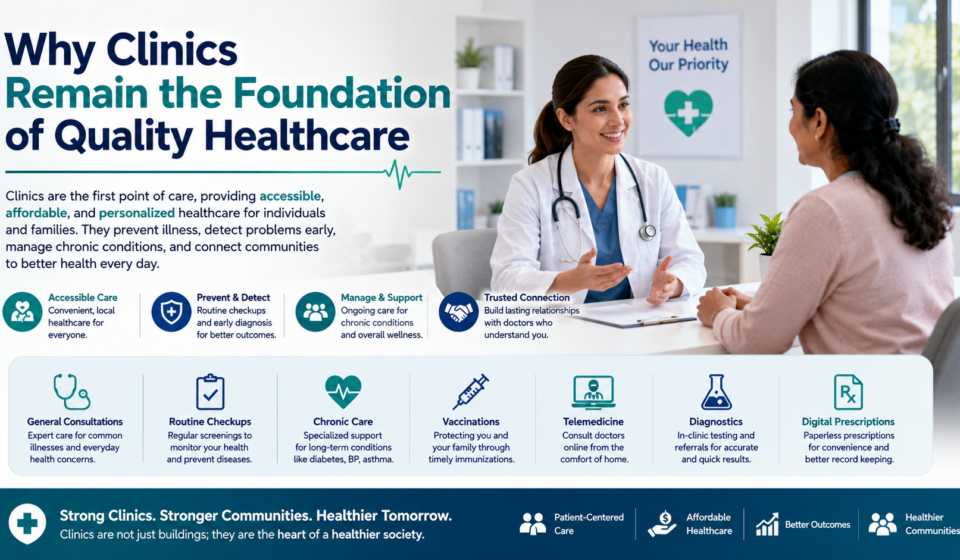

Clinics are important because they make healthcare available at the community level. They help patients get medical attention before problems become serious. Whether someone has a fever, cough, minor injury, skin issue, chronic disease, or needs a routine checkup, clinics provide the first step toward proper treatment.
What Are Healthcare Clinics?
Healthcare clinics are medical facilities where patients receive consultation, diagnosis, treatment, and preventive care. They may be general clinics, family clinics, primary care clinics, specialty clinics, urgent care clinics, or community health clinics.
Clinics usually focus on outpatient care, which means patients do not need to stay overnight. They visit the clinic, receive medical advice or treatment, and return home. This makes clinics convenient for common health concerns and regular medical support.
Some clinics provide general healthcare services, while others focus on specific areas such as skin care, eye care, dental care, women’s health, child health, diabetes care, or mental wellness.
Why Clinics Are the First Point of Care
Clinics are often the first point of care because they are easy to access. Patients usually visit a nearby clinic before going to a hospital. This is helpful because many health problems can be treated early at the clinic level.
For example, common conditions like fever, cold, infections, allergies, stomach problems, headaches, minor wounds, and routine health concerns can often be managed in clinics. If the condition is serious, the clinic can guide the patient to a specialist or hospital.
This first level of care is very important. It helps patients receive timely attention and prevents unnecessary hospital visits.
Easy Access to Medical Support
One of the biggest reasons clinics remain important is accessibility. Clinics are usually located closer to where people live and work. This makes healthcare easier for families, elderly patients, children, and working professionals.
Large hospitals may be far away, crowded, or expensive. Clinics offer a simpler option for basic healthcare needs. Patients can often get appointments faster and avoid long waiting times.
Easy access encourages people to seek treatment early. When medical support is nearby, patients are less likely to ignore symptoms or delay care.
Role of Clinics in Preventive Healthcare
Preventive healthcare is one of the most powerful ways to improve long-term health. Clinics play a major role in prevention by offering routine checkups, screenings, vaccinations, health counseling, and lifestyle advice.
A regular clinic visit can help detect early signs of high blood pressure, diabetes, cholesterol problems, infections, vitamin deficiencies, and other health risks. Early detection allows doctors to start treatment before the condition becomes serious.
Clinics also educate patients about healthy habits such as balanced diet, exercise, sleep, hygiene, stress management, and regular medical checkups. This makes clinics important for both treatment and prevention.
Early Diagnosis and Better Outcomes
Quality healthcare depends on early diagnosis. When diseases are found early, they are often easier and less expensive to treat. Clinics help identify warning signs and guide patients toward proper testing and treatment.
For example, a patient visiting a clinic for tiredness may discover anemia, thyroid problems, diabetes, or vitamin deficiency. A person with frequent headaches may need blood pressure monitoring or eye testing. A simple clinic visit can reveal important health information.
Early diagnosis improves treatment results and reduces the risk of complications. This is one reason clinics are a strong foundation of healthcare.
Managing Chronic Diseases
Many people today live with chronic diseases such as diabetes, high blood pressure, asthma, arthritis, thyroid problems, and heart disease. These conditions require regular monitoring, medication management, and lifestyle support.
Clinics are ideal for chronic disease management because patients can visit regularly for checkups and follow-ups. Doctors can monitor progress, adjust medicines, review test results, and provide practical advice.
Regular clinic care helps prevent complications and emergency hospital visits. It also helps patients stay consistent with treatment.
Personalized Care and Patient Trust
Clinics often build long-term relationships with patients. A family doctor or clinic physician may treat the same patient for many years. This helps doctors understand the patient’s medical history, lifestyle, family background, and health concerns.
This personal connection improves trust. Patients feel more comfortable discussing symptoms, worries, and treatment challenges. When doctors know their patients well, they can offer more personalized care.
Personalized care improves patient satisfaction and encourages better health habits. Trust is one of the most important parts of quality healthcare, and clinics support it strongly.
Reducing Pressure on Hospitals
Hospitals are essential for emergencies, surgeries, intensive care, and serious illnesses. However, not every medical issue requires hospital care. Clinics help reduce pressure on hospitals by treating common health problems and managing routine care.
When clinics handle minor illnesses, preventive checkups, follow-up visits, and chronic disease care, hospitals can focus on more serious cases. This makes the entire healthcare system more efficient.
Clinics also help patients avoid unnecessary hospital expenses. Many basic health problems can be managed effectively and affordably at clinics.
Digital Technology in Modern Clinics
Modern clinics are becoming more advanced with the use of digital technology. Many clinics now offer online appointments, electronic health records, digital prescriptions, telemedicine consultations, and online report access.
Digital records help doctors review patient history quickly. Online appointments reduce waiting time. Digital prescriptions make medicine instructions clearer. Telemedicine allows patients to consult doctors remotely for follow-ups or minor concerns.
Technology makes clinics more organized and patient-friendly. It also improves communication between doctors and patients.
Community Health Support
Clinics are deeply connected to local communities. They understand common health problems in their area and can provide targeted support. Community clinics often help with vaccination drives, health awareness programs, screening camps, and seasonal disease prevention.
Clinics also support public health by educating people about hygiene, nutrition, maternal health, child care, elderly care, mental wellness, and lifestyle diseases.
When clinics promote community health, they help reduce disease risks and improve overall wellness.
Affordable Healthcare Services
Affordability is another reason clinics are important. Many people avoid medical care because they fear high hospital costs. Clinics provide a more affordable option for common health concerns, routine checkups, and follow-up visits.
Affordable healthcare helps patients seek treatment earlier. It also makes regular care possible for families, students, workers, and elderly people.
By offering cost-effective services, clinics make healthcare more inclusive and accessible.
Clinics and Patient Education
Quality healthcare is not only about giving medicines. It is also about educating patients. Clinics help patients understand their health condition, treatment plan, medicines, diet, lifestyle changes, and warning signs.
When patients understand their health better, they are more likely to follow medical advice. Patient education improves treatment success and prevents future problems.
Clinics provide a comfortable environment where patients can ask questions and receive clear guidance.
The Future of Clinics in Healthcare
The future of clinics will be more digital, preventive, and patient-centered. Clinics will continue using advanced tools such as telemedicine, wearable health devices, remote monitoring, artificial intelligence, and digital health records.
However, the basic purpose of clinics will remain the same: providing accessible, trusted, and quality healthcare close to patients.
As healthcare needs grow, clinics will become even more important in managing everyday health, preventing disease, and supporting long-term wellness.
Source
https://sl1nk.com/ueeafkz
https://l1nq.com/6qm2dlu
Conclusion
Clinics remain the foundation of quality healthcare because they provide accessible, affordable, and patient-centered medical support. They are often the first point of care, helping patients receive early diagnosis, preventive treatment, chronic disease management, and trusted medical advice.
By reducing pressure on hospitals and improving community health, clinics strengthen the entire healthcare system. Modern clinics are also using digital technology to provide faster, smarter, and more convenient care.
Quality healthcare begins with timely access, trust, prevention, and regular support. Clinics deliver all of these. That is why they will continue to remain a vital part of healthcare now and in the future.
FAQs
1. Why are clinics important in healthcare?
Clinics are important because they provide easy access to medical care, early diagnosis, preventive treatment, follow-up care, and chronic disease management.
2. What services do clinics provide?
Clinics provide general consultations, routine checkups, vaccinations, minor illness treatment, health screenings, digital prescriptions, and follow-up care.
3. How do clinics help reduce hospital pressure?
Clinics treat common health problems and routine cases, allowing hospitals to focus on emergencies, surgeries, and serious medical conditions.
4. Are clinics useful for preventive healthcare?
Yes, clinics are very useful for preventive healthcare because they offer screenings, vaccinations, lifestyle advice, and early disease detection.
5. Can clinics manage chronic diseases?
Yes, clinics can help manage chronic diseases such as diabetes, high blood pressure, asthma, arthritis, and thyroid problems through regular monitoring and follow-up care.