
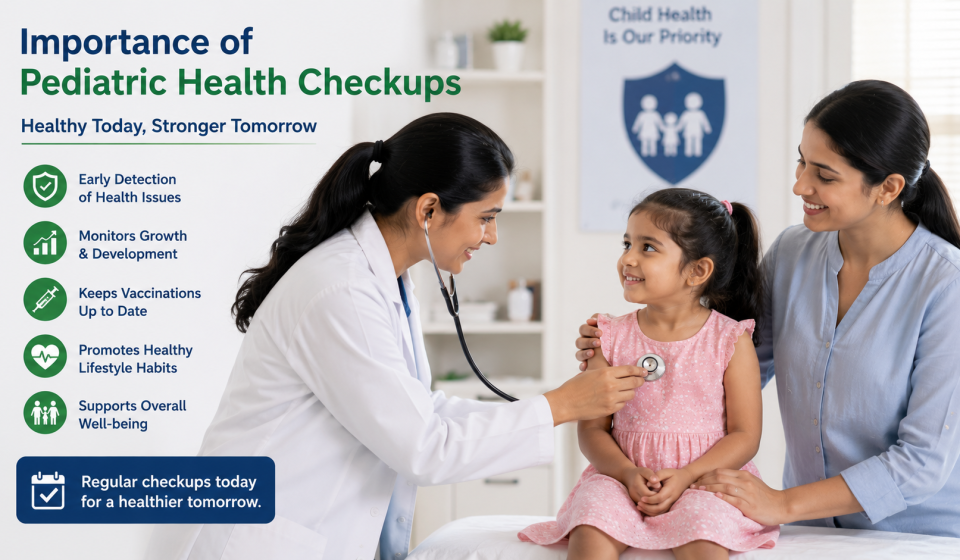

Discover why regular pediatric health checkups are essential for your child’s growth, development, disease prevention, vaccinations, and overall well-being from infancy through adolescence.
Regular pediatric health checkups are one of the most important aspects of preventive healthcare for children. These routine visits allow healthcare professionals to monitor a child’s physical growth, developmental milestones, nutritional status, emotional well-being, and overall health. Pediatric checkups are not only for children who are sick—they are equally important when children appear healthy.
Children experience rapid growth from infancy through adolescence. During these stages, early identification of health concerns can make a significant difference in treatment outcomes and long-term well-being. Routine checkups also provide parents with an opportunity to discuss nutrition, sleep, behavior, learning, vaccinations, safety, and developmental concerns with a qualified healthcare provider.
This guide explains why pediatric health checkups are essential, what parents can expect during these visits, and how regular preventive care supports healthy childhood development.
What Are Pediatric Health Checkups?
Pediatric health checkups, also known as well-child visits, are scheduled medical examinations that focus on monitoring a child’s overall health and development rather than treating illness.
These visits help healthcare providers:
- Monitor physical growth
- Assess developmental milestones
- Review nutritional habits
- Check vision and hearing
- Administer recommended vaccinations
- Identify health concerns early
- Provide preventive healthcare guidance
Routine checkups are recommended from birth through adolescence according to your healthcare provider’s schedule.
Why Regular Pediatric Checkups Are Important
Children grow rapidly, and their healthcare needs change with age. Regular checkups help ensure that children are developing appropriately while identifying potential concerns before they become serious.
Benefits include:
- Early disease detection
- Monitoring healthy growth
- Tracking developmental progress
- Preventing complications
- Improving long-term health outcomes
- Supporting emotional and behavioral health
- Building healthy lifestyle habits
Preventive healthcare is one of the best investments in a child’s future health.
Monitoring Physical Growth
One of the primary purposes of pediatric visits is to monitor healthy physical growth.
Healthcare providers typically measure:
- Height
- Weight
- Head circumference (for infants)
- Body Mass Index (BMI) for age
- Growth patterns over time
Growth measurements help determine whether a child is developing appropriately and can identify concerns related to nutrition or underlying medical conditions.
Tracking Developmental Milestones
Children develop new skills at different ages.
During routine visits, healthcare providers assess:
- Gross motor skills
- Fine motor skills
- Language development
- Cognitive skills
- Social interaction
- Emotional development
Monitoring milestones helps identify developmental delays early, allowing timely evaluation and intervention if needed.
Ensuring Proper Nutrition
Nutrition plays a vital role in growth and development.
During pediatric checkups, parents can discuss:
- Healthy eating habits
- Breastfeeding or formula feeding
- Introducing solid foods
- Balanced meals
- Healthy weight management
- Vitamin and mineral intake
- Hydration
Healthcare providers offer age-appropriate dietary guidance to support healthy development.
Keeping Vaccinations Up to Date
Vaccinations are one of the most effective ways to protect children from serious infectious diseases.
Routine immunizations help prevent illnesses such as:
- Measles
- Mumps
- Rubella
- Polio
- Diphtheria
- Pertussis (Whooping cough)
- Tetanus
- Hepatitis B
- Chickenpox
- Influenza
Healthcare providers ensure children receive vaccines according to recommended immunization schedules.
Vision and Hearing Screening
Good vision and hearing are essential for learning and development.
Routine screenings help detect:
- Vision problems
- Hearing loss
- Eye alignment issues
- Speech-related hearing concerns
Early diagnosis allows timely treatment and helps prevent academic and developmental difficulties.
Supporting Emotional and Behavioral Health
Children’s emotional well-being is an important part of overall health.
Pediatric visits provide opportunities to discuss:
- Behavior changes
- Anxiety
- Stress
- Social development
- Emotional concerns
- School adjustment
- Sleep habits
Healthcare providers can recommend additional support if necessary.
Detecting Health Problems Early
Many childhood health conditions develop gradually and may not cause noticeable symptoms initially.
Routine examinations may help detect:
- Anemia
- Nutritional deficiencies
- Growth disorders
- Vision or hearing problems
- Developmental delays
- Asthma
- Allergies
- Chronic medical conditions
Early diagnosis often leads to more effective treatment and better outcomes.
Promoting Healthy Lifestyle Habits
Pediatric healthcare providers educate families about healthy daily habits.
Topics commonly discussed include:
- Balanced nutrition
- Physical activity
- Screen time
- Sleep routines
- Oral hygiene
- Injury prevention
- Water intake
- Healthy weight
These discussions encourage lifelong healthy behaviors.
Monitoring School Readiness
As children prepare for school, pediatric checkups help evaluate skills that support learning.
Healthcare providers may assess:
- Communication abilities
- Social skills
- Attention
- Motor coordination
- Vision and hearing
- Overall development
Early identification of learning or developmental concerns allows families to access appropriate support.
Preventing Childhood Obesity
Regular growth monitoring helps identify unhealthy weight gain or inadequate growth.
Healthcare providers may recommend:
- Healthy eating habits
- Increased physical activity
- Reduced sugary beverages
- Balanced portion sizes
- Family-based lifestyle changes
Preventing obesity during childhood lowers the risk of chronic diseases later in life.
Building a Trusted Relationship with Your Pediatrician
Regular visits help children become comfortable with healthcare settings.
Benefits include:
- Better communication
- Reduced fear of medical visits
- Improved continuity of care
- Better understanding of family medical history
- Personalized healthcare advice
A trusted relationship encourages families to seek medical care promptly when concerns arise.
Guidance for Parents
Pediatric visits also provide valuable education for parents.
Common topics include:
- Infant care
- Feeding practices
- Toilet training
- Sleep routines
- Behavior management
- School health
- Puberty
- Injury prevention
- Mental health
- Adolescent health
Parents can ask questions and receive evidence-based guidance tailored to their child’s age.
Importance of Oral Health
Dental health is closely linked to overall health.
Healthcare providers may discuss:
- Brushing twice daily
- Healthy eating habits
- Limiting sugary snacks
- Regular dental visits
- Fluoride recommendations
Healthy oral hygiene helps prevent tooth decay and gum disease.
Safety Counseling
Preventive visits often include age-appropriate safety advice.
Topics may include:
- Car seat safety
- Bicycle helmets
- Water safety
- Poison prevention
- Home safety
- Internet safety
- Sports safety
- Sun protection
These recommendations help reduce the risk of injuries.
How Often Should Children Have Pediatric Checkups?
The frequency of well-child visits varies with age.
Infants require more frequent visits during the first year of life because growth and development occur rapidly.
As children grow older, annual health checkups are generally recommended unless additional visits are needed due to illness or chronic medical conditions. Parents should follow the schedule advised by their healthcare provider.
What Happens During a Pediatric Checkup?
A typical pediatric visit may include:
- Measuring height and weight
- Growth assessment
- Physical examination
- Developmental evaluation
- Vision and hearing screening
- Vaccination review
- Nutrition counseling
- Discussion of sleep and behavior
- Opportunity for parents to ask questions
Each visit is tailored to the child’s age and individual health needs.
When Should Parents Schedule an Earlier Visit?
Parents should seek medical evaluation sooner if their child experiences:
- Persistent fever
- Difficulty breathing
- Poor weight gain
- Developmental concerns
- Hearing or vision changes
- Frequent infections
- Persistent fatigue
- Behavioral changes
- Severe allergic reactions
- Any symptoms that worsen or do not improve
Early medical attention can prevent complications and ensure timely treatment.
Tips for Parents Before a Pediatric Checkup
Preparing for the appointment helps make the visit more productive.
- Bring your child’s vaccination records.
- Note any concerns or questions.
- Record current medications or supplements.
- Discuss changes in eating, sleep, or behavior.
- Share information about school performance if relevant.
- Encourage your child to feel comfortable about the visit.
Open communication helps healthcare providers deliver personalized care.
Sources
https://www.who.int
https://www.nhs.uk
https://www.nih.gov
Conclusion
Pediatric health checkups are essential for supporting a child’s healthy growth, development, and overall well-being. These routine visits allow healthcare providers to monitor physical and emotional development, administer recommended vaccinations, identify health concerns early, and provide valuable guidance on nutrition, safety, and healthy lifestyle habits. Preventive healthcare helps children stay healthy today while reducing the risk of future health complications.
Parents who prioritize regular pediatric visits give their children the best opportunity to achieve healthy growth, early disease prevention, and lifelong wellness. By partnering with a trusted pediatric healthcare provider, families can ensure children receive comprehensive care through every stage of development.
FAQs
1. Why are pediatric health checkups important?
Pediatric health checkups help monitor a child’s growth, development, nutrition, vaccinations, vision, hearing, and overall health while identifying potential concerns at an early stage.
2. How often should children have pediatric checkups?
Infants require more frequent well-child visits during the first year of life. After early childhood, annual health checkups are generally recommended unless additional visits are needed based on the child’s health.
3. What happens during a pediatric health checkup?
A routine visit may include a physical examination, growth measurements, developmental assessment, vision and hearing screening, vaccination review, nutrition counseling, and discussion of any health concerns.
4. Are pediatric checkups necessary if my child seems healthy?
Yes. Well-child visits focus on prevention, monitoring development, updating vaccinations, and identifying health concerns before symptoms become noticeable.
5. What should parents bring to a pediatric appointment?
Parents should bring vaccination records, information about medications or supplements, growth concerns, questions about nutrition or behavior, and any relevant medical history.