
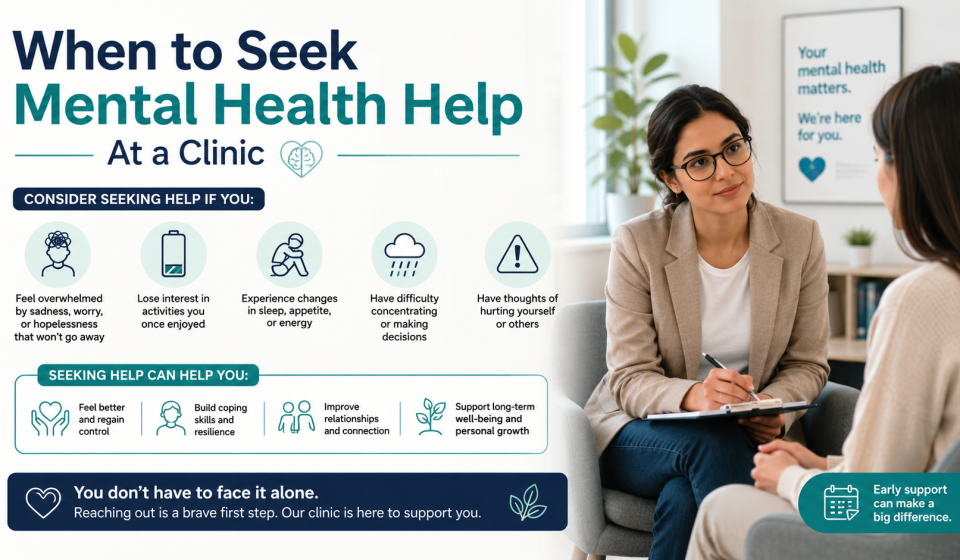

Learn when to seek mental health help at a clinic, common warning signs, available treatment options, and how early support can improve emotional well-being and quality of life.
Mental health is just as important as physical health, yet many people hesitate to seek professional help when they experience emotional or psychological challenges. In today’s fast-paced world, stress, anxiety, depression, and other mental health concerns have become increasingly common among people of all age groups. While occasional sadness, worry, or stress is a normal part of life, persistent emotional difficulties can affect relationships, work performance, physical health, and overall quality of life.
Unfortunately, many individuals ignore early warning signs, hoping that the problem will resolve on its own. In some cases, this delay can make symptoms worse and lead to more serious mental health conditions. Understanding when to seek mental health help at a clinic can make a significant difference in recovery and long-term well-being.
This article explores the signs that indicate professional mental health support may be needed, the benefits of early intervention, and what patients can expect when visiting a clinic for mental health care.
Understanding Mental Health
Mental health refers to a person’s emotional, psychological, and social well-being. It influences how individuals think, feel, and behave. Good mental health helps people cope with stress, build healthy relationships, make informed decisions, and function effectively in daily life.
Mental health challenges can affect anyone regardless of age, gender, occupation, or social background. Common mental health conditions include:
- Anxiety disorders
- Depression
- Panic disorder
- Bipolar disorder
- Post-traumatic stress disorder (PTSD)
- Obsessive-compulsive disorder (OCD)
- Eating disorders
- Substance abuse disorders
Recognizing symptoms early and seeking professional help can prevent these conditions from becoming more severe.
Why People Avoid Seeking Mental Health Help
Many individuals delay seeking treatment because of stigma, fear, or lack of awareness. Some common reasons include:
Fear of Judgment
People may worry about what others will think if they seek mental health treatment. This fear often prevents them from discussing their struggles openly.
Belief That Symptoms Will Go Away
Many assume that emotional distress is temporary and will improve without professional support. While this may be true for short-term stress, persistent symptoms often require attention.
Lack of Information
Some individuals are unsure whether their symptoms are serious enough to justify a clinic visit.
Financial Concerns
Concerns about healthcare costs can discourage people from seeking treatment. However, early intervention often prevents more expensive and complex treatment later.
Signs You Should Seek Mental Health Help at a Clinic
Persistent Feelings of Sadness or Hopelessness
Feeling sad occasionally is normal, especially during difficult life events. However, if feelings of sadness, emptiness, or hopelessness persist for more than two weeks, it may indicate depression.
Common symptoms include:
- Lack of motivation
- Frequent crying
- Loss of interest in activities
- Feelings of worthlessness
- Difficulty concentrating
Professional evaluation can help determine the cause and recommend appropriate treatment.
Excessive Anxiety or Worry
Everyone experiences stress from time to time, but chronic anxiety that interferes with daily activities may require professional help.
Warning signs include:
- Constant worrying
- Racing thoughts
- Restlessness
- Rapid heartbeat
- Difficulty sleeping
- Panic attacks
A mental health professional can identify anxiety disorders and provide effective coping strategies.
Significant Changes in Sleep Patterns
Mental health conditions often affect sleep quality.
Examples include:
- Difficulty falling asleep
- Frequent waking during the night
- Sleeping excessively
- Feeling tired despite adequate sleep
Persistent sleep disturbances can impact mood, productivity, and physical health.
Changes in Appetite or Weight
Sudden changes in eating habits may signal emotional distress.
Examples include:
- Loss of appetite
- Emotional eating
- Significant weight loss
- Unexplained weight gain
Mental health professionals can help identify underlying psychological causes.
Difficulty Managing Daily Responsibilities
When mental health struggles begin affecting work, school, family responsibilities, or social activities, professional support may be necessary.
Signs include:
- Missing deadlines
- Reduced productivity
- Avoiding responsibilities
- Difficulty making decisions
Early intervention can help restore daily functioning.
Withdrawal from Friends and Family
People experiencing mental health challenges often isolate themselves from loved ones.
Warning signs include:
- Avoiding social interactions
- Canceling plans frequently
- Reduced communication
- Loss of interest in social activities
Isolation can worsen symptoms and increase emotional distress.
Frequent Mood Swings
Extreme emotional highs and lows may indicate an underlying mental health condition.
Examples include:
- Sudden anger
- Irritability
- Unusual excitement
- Emotional instability
Professional assessment can help identify the cause and recommend treatment options.
Substance Use as a Coping Mechanism
Some individuals turn to alcohol, tobacco, or drugs to manage emotional pain.
Warning signs include:
- Increased alcohol consumption
- Dependence on substances to relax
- Using drugs to escape stress
- Difficulty controlling substance use
Mental health clinics can provide support for both emotional challenges and addiction issues.
Experiencing Trauma
Traumatic events can have lasting effects on mental health.
Examples include:
- Loss of a loved one
- Serious accidents
- Domestic violence
- Natural disasters
- Workplace trauma
Seeking help after trauma can reduce the risk of developing long-term psychological problems.
Thoughts of Self-Harm or Suicide
This is one of the most serious warning signs requiring immediate professional attention.
Symptoms may include:
- Talking about death frequently
- Feelings of hopelessness
- Self-harming behavior
- Thoughts of ending one’s life
Individuals experiencing these thoughts should seek emergency medical assistance or contact a mental health professional immediately.
Mental Health Concerns in Children and Teenagers
Young people can also experience mental health challenges. Parents should consider seeking professional help if they notice:
- Sudden changes in behavior
- Declining academic performance
- Extreme mood swings
- Social withdrawal
- Frequent anger or aggression
- Self-harming behaviors
Early support can improve emotional development and academic success.
Benefits of Seeking Mental Health Help Early
Faster Recovery
Early intervention often leads to better treatment outcomes and shorter recovery times.
Improved Relationships
Treatment can help individuals communicate more effectively and maintain healthier relationships.
Better Physical Health
Mental health and physical health are closely connected. Managing emotional well-being can reduce stress-related physical symptoms.
Increased Productivity
Addressing mental health concerns can improve focus, energy levels, and work performance.
Enhanced Quality of Life
Professional support can help individuals regain confidence, happiness, and emotional balance.
What Happens During a Mental Health Clinic Visit?
Many people feel nervous before their first appointment. Understanding the process can help reduce anxiety.
Initial Assessment
The healthcare provider will ask questions about:
- Symptoms
- Medical history
- Lifestyle habits
- Family history
- Current stressors
Diagnosis
Based on the evaluation, the clinician may identify a specific mental health condition or recommend further assessment.
Treatment Plan
Treatment may include:
- Counseling or psychotherapy
- Cognitive Behavioral Therapy (CBT)
- Stress management techniques
- Lifestyle modifications
- Medication if necessary
Follow-Up Care
Regular follow-up appointments help monitor progress and adjust treatment as needed.
How Clinics Support Mental Health Patients
Modern healthcare clinics offer comprehensive mental health services, including:
- Individual counseling
- Group therapy
- Psychiatric evaluations
- Medication management
- Crisis intervention
- Stress reduction programs
- Family counseling
Many clinics now integrate mental health services with primary care, making support more accessible and reducing stigma.
Tips for Maintaining Good Mental Health
While professional treatment is important when needed, healthy lifestyle habits can support mental well-being:
- Exercise regularly
- Maintain a balanced diet
- Get adequate sleep
- Practice mindfulness or meditation
- Stay connected with family and friends
- Limit alcohol and substance use
- Take breaks from work-related stress
- Seek support when facing challenges
These habits can complement professional treatment and improve overall resilience.
Sources
https://l1nq.com/uij9h3w
https://sl1nk.com/hcpj4qr
Conclusion
Mental health challenges are common and should never be ignored. While occasional stress and sadness are normal, persistent symptoms that interfere with daily life may indicate the need for professional support. Seeking help at a clinic is a proactive step toward better emotional, psychological, and physical well-being.
Whether you are experiencing anxiety, depression, trauma, sleep problems, or emotional distress, early intervention can significantly improve outcomes. Modern clinics provide compassionate, confidential, and evidence-based care designed to help individuals regain control of their lives. Remember, seeking mental health help is not a sign of weakness—it is a sign of strength and self-care.
Frequently Asked Questions (FAQs)
1. How do I know if my mental health symptoms are serious?
If symptoms persist for more than two weeks, interfere with daily activities, relationships, work, or school performance, it is advisable to seek professional evaluation.
2. Can a clinic help with stress and anxiety?
Yes. Clinics offer counseling, therapy, stress management techniques, and medical support to help manage anxiety and stress-related conditions.
3. Do I need a referral to visit a mental health clinic?
This depends on the healthcare system and clinic policies. Many clinics allow direct appointments without referrals.
4. Are mental health clinic visits confidential?
Yes. Healthcare professionals follow strict confidentiality guidelines to protect patient privacy.
5. What treatments are commonly used for mental health conditions?
Common treatments include psychotherapy, Cognitive Behavioral Therapy (CBT), lifestyle changes, support groups, and medication when appropriate.