
Healthcare is changing faster than ever, and one of the biggest reasons behind this transformation is artificial intelligence. AI-powered healthcare clinics are becoming more popular because they offer faster, smarter, and more personalized care for patients. These clinics use advanced digital tools, data analysis, automation, and smart medical systems to support doctors and improve the patient experience.
1. Faster and More Accurate Diagnosis
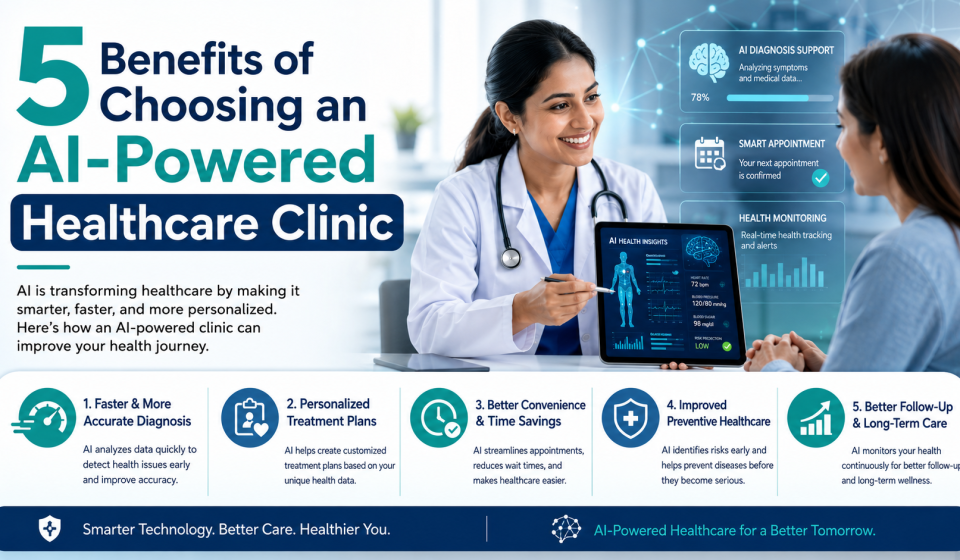
One of the biggest benefits of an AI-powered healthcare clinic is faster and more accurate diagnosis. In traditional healthcare, doctors often need to review symptoms, medical history, lab reports, scans, and previous records manually. This process can take time, especially when clinics are busy.
AI tools can support doctors by quickly analyzing large amounts of medical information. For example, AI systems can help identify patterns in blood reports, X-rays, skin images, heart readings, and other medical data. This helps doctors detect health problems earlier and make more informed decisions.
Early diagnosis is very important because many diseases become easier to treat when they are found at the right time. Conditions such as diabetes, heart disease, infections, eye problems, and certain cancers may show early signs that can be detected through regular screening and smart analysis.
AI does not make the final medical decision alone. Doctors use AI as a supportive tool to improve accuracy and speed. This combination of human experience and smart technology can lead to better patient outcomes.
2. Personalized Treatment Plans
Every patient is different. Two people may have the same health condition, but their bodies, lifestyles, age, medical history, and treatment needs may not be the same. AI-powered clinics help create more personalized treatment plans by studying patient data in detail.
AI can analyze a patient’s health history, test results, symptoms, allergies, medication records, lifestyle habits, and risk factors. Based on this information, doctors can design care plans that are better suited to the individual patient.
For example, a patient with high blood pressure may need a different treatment approach depending on their age, weight, diet, stress level, family history, and other health conditions. AI can help organize this information so the doctor can give more specific advice.
Personalized care can improve treatment results because patients receive guidance that fits their real health needs. It can also help reduce unnecessary tests or medicines. When care feels more personal, patients are more likely to follow instructions and stay active in their health journey.
3. Better Patient Convenience and Time Savings
AI-powered healthcare clinics make the patient experience more convenient. Many clinics now use AI-based systems for online appointment booking, digital registration, automated reminders, virtual consultation support, and faster report management.
This saves time for both patients and clinic staff. Instead of standing in long queues or calling multiple times for appointments, patients can book visits online. AI chat support can answer common questions about clinic timings, services, preparation for tests, and follow-up instructions.
Digital systems can also reduce waiting time inside the clinic. When patient information is already available in the system, doctors and staff can access it quickly. This makes the consultation process smoother and more organized.
AI can also help clinics manage patient flow. For example, it can identify which patients need urgent attention and which cases can be scheduled for routine consultation. This improves the overall clinic experience and helps patients receive care faster.
For busy families, working professionals, elderly patients, and people with chronic conditions, these time-saving features can make healthcare much easier to manage.
4. Improved Preventive Healthcare
Preventive healthcare is one of the most important advantages of AI-powered clinics. Instead of only treating illness after it happens, these clinics focus on identifying risks early and helping patients stay healthy.
AI can analyze health data and detect warning signs before a condition becomes serious. For example, if a patient’s sugar levels, blood pressure, cholesterol, or weight pattern shows gradual changes, the system can help doctors notice the trend early.
This allows doctors to recommend lifestyle changes, screenings, medicines, or follow-up visits before the problem becomes severe. Preventive care is especially useful for conditions such as diabetes, heart disease, obesity, thyroid problems, kidney disease, and hypertension.
AI-powered clinics can also send reminders for vaccinations, annual health checkups, medication refills, and routine tests. These reminders help patients stay consistent with their care plan.
By focusing on prevention, clinics can help patients avoid complications, reduce medical costs, and maintain better long-term health.
5. Better Follow-Up and Long-Term Health Monitoring
Good healthcare does not end after one clinic visit. Follow-up care is very important, especially for patients with long-term health conditions. AI-powered healthcare clinics improve follow-up care by tracking patient progress and helping doctors monitor health changes over time.
For example, patients with diabetes may need regular sugar monitoring, diet guidance, medicine adjustments, and routine tests. AI systems can help organize this information and alert doctors if something needs attention. Similarly, patients with heart disease, asthma, arthritis, or high blood pressure can benefit from regular digital monitoring.
AI-powered systems can also remind patients about follow-up appointments, medicines, and test schedules. This reduces the chances of missed visits and incomplete treatment.
Some clinics may also use wearable health devices that track heart rate, sleep, activity levels, oxygen levels, or blood pressure. When this information is connected to the clinic system, doctors can get a clearer picture of the patient’s daily health.
Long-term monitoring helps doctors make better decisions and helps patients feel more supported. It also creates a stronger connection between the clinic and the patient.
Why AI-Powered Clinics Are the Future of Patient Care
AI-powered healthcare clinics are growing because they solve many common problems in healthcare. Patients often face long waiting times, delayed reports, unclear communication, and difficulty managing follow-up care. AI can help improve these areas by making healthcare more organized, efficient, and patient-centered.
According to the World Health Organization, digital health can help health systems become more efficient and support better-quality, affordable, and equitable care. AI also has strong potential to support diagnosis, clinical care, health research, and health system management when used responsibly.
However, AI must be used carefully. Healthcare decisions should always involve trained medical professionals. WHO guidance also highlights the importance of ethics, governance, privacy, and responsible use of AI in healthcare.
The best AI-powered clinics combine advanced technology with human care. Doctors, nurses, and healthcare staff remain at the center of treatment, while AI works as a support system to improve speed, accuracy, and convenience.
Source
https://sl1nk.com/heo6bof
https://l1nq.com/0nvchhq
Conclusion
Choosing an AI-powered healthcare clinic can offer many benefits for patients. These clinics provide faster diagnosis, personalized treatment, better convenience, stronger preventive care, and improved long-term monitoring. By using smart technology, clinics can deliver healthcare that is more efficient, organized, and patient-friendly.
AI does not replace the role of doctors. Instead, it helps doctors provide better care by giving them useful insights and reducing time-consuming tasks. When used responsibly, AI can make healthcare more accessible, accurate, and focused on each patient’s needs.
As healthcare continues to evolve, AI-powered clinics will play an important role in shaping the future of patient care. For patients looking for modern, reliable, and personalized healthcare services, choosing an AI-powered clinic can be a smart step toward better health.
FAQs
1. What is an AI-powered healthcare clinic?
An AI-powered healthcare clinic is a medical clinic that uses artificial intelligence tools to support diagnosis, appointment management, patient records, treatment planning, preventive care, and follow-up services.
2. Does AI replace doctors in healthcare clinics?
No, AI does not replace doctors. It supports doctors by analyzing data, saving time, and helping them make better decisions. The final medical decision should always be made by qualified healthcare professionals.
3. How does AI improve patient care?
AI improves patient care by helping with faster diagnosis, personalized treatment, digital records, automated reminders, preventive health monitoring, and better follow-up support.
4. Are AI-powered clinics safe for patients?
AI-powered clinics can be safe when they use trusted technology, protect patient data, and ensure that doctors review all important medical decisions. Responsible use of AI is essential in healthcare.
5. Can AI help in early disease detection?
Yes, AI can help detect patterns in reports, scans, and health data that may show early signs of disease. This helps doctors diagnose conditions earlier and begin treatment sooner.