
Healthcare is entering a new digital era, and artificial intelligence is becoming one of the most important technologies shaping the future of medical care. AI-powered healthcare clinics are changing how doctors diagnose diseases, monitor patients, manage records, provide treatment, and improve patient experiences. These clinics combine medical expertise with smart technology to deliver faster, more accurate, and more personalized healthcare services.
What Are AI-Powered Healthcare Clinics?
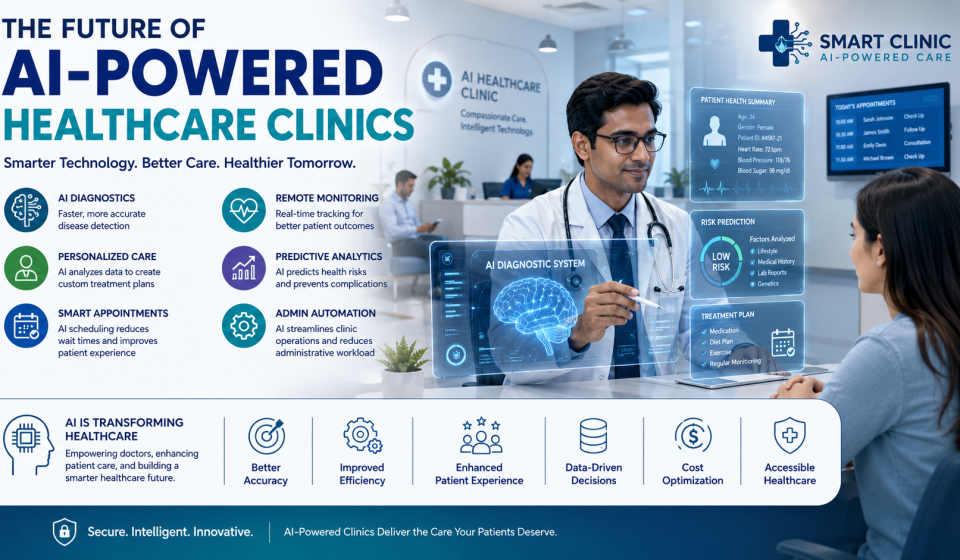
AI-powered healthcare clinics are medical facilities that use artificial intelligence tools to improve patient care and clinic operations. These clinics may use AI for appointment scheduling, symptom analysis, medical imaging support, digital health records, patient monitoring, diagnosis assistance, and personalized treatment planning.
AI systems can process large amounts of health data in a short time. They can identify patterns, highlight risks, and support doctors in making better clinical decisions. For example, AI may help detect abnormal test results, analyze X-rays, or remind patients about follow-up visits.
The main goal of AI-powered clinics is to make healthcare more accurate, efficient, and patient-centered.
Why AI Is Becoming Important in Healthcare Clinics
AI is becoming important because healthcare clinics are facing growing pressure. More patients need care, chronic diseases are increasing, and clinics must manage large amounts of medical data. Traditional systems may not always be fast enough to handle these demands.
AI helps clinics reduce workload, improve accuracy, and provide faster services. It can organize patient records, support diagnosis, automate routine tasks, and help doctors focus more on patient care.
Patients also benefit from AI because they receive quicker responses, better monitoring, and more personalized health guidance. This makes AI a valuable tool for both clinics and patients.
AI and Faster Diagnosis
One of the biggest advantages of AI-powered clinics is faster diagnosis. AI tools can analyze symptoms, lab reports, medical images, and health records to help doctors detect problems earlier.
For example, AI can support the review of scans, blood test results, skin images, and other diagnostic data. It can highlight possible warning signs that may need medical attention. This helps doctors make faster and more informed decisions.
Early diagnosis is important because many diseases are easier to treat when found early. AI can help clinics identify health risks before they become serious.
Personalized Treatment Plans
AI helps clinics provide personalized treatment by analyzing each patient’s medical history, lifestyle, test results, and health risks. Instead of giving the same treatment to everyone, doctors can create care plans based on individual needs.
For example, two patients with diabetes may need different diet plans, medicines, and monitoring schedules. AI can help doctors understand these differences and suggest better treatment options.
Personalized care improves patient satisfaction and treatment outcomes. It also helps patients feel that their healthcare is designed specifically for them.
AI in Preventive Healthcare
Preventive healthcare is one of the most important areas where AI can make a difference. AI-powered clinics can identify risk factors and help patients take action before serious illness develops.
For example, AI can analyze data related to blood pressure, blood sugar, cholesterol, weight, family history, and lifestyle habits. Based on this data, doctors can recommend preventive steps such as regular screenings, diet changes, exercise, or lifestyle guidance.
This approach helps reduce future health problems and supports long-term wellness.
Improved Patient Monitoring
AI-powered healthcare clinics can use digital tools and wearable devices to monitor patients continuously. Devices such as smartwatches, fitness trackers, and remote health monitors can collect data about heart rate, sleep, activity, oxygen levels, and other health indicators.
AI can analyze this data and alert doctors if something looks unusual. This is especially useful for patients with chronic diseases such as diabetes, heart disease, asthma, or hypertension.
Remote monitoring helps doctors track patient health outside the clinic and provide timely care when needed.
Better Clinic Management
AI is not only useful for diagnosis and treatment; it also improves clinic management. AI tools can help with appointment scheduling, patient reminders, billing, digital records, inventory management, and staff workflow.
Automated systems reduce administrative workload and minimize human errors. Patients can book appointments online, receive reminders, and access reports digitally.
When clinic operations become smoother, doctors and staff can spend more time focusing on patient care. This leads to better service and improved patient satisfaction.
AI Chatbots and Patient Support
AI chatbots are becoming common in modern healthcare clinics. These chatbots can answer basic patient questions, help with appointment booking, provide medicine reminders, and guide patients to the right services.
For example, a patient may ask about clinic timings, available doctors, test preparation, or follow-up instructions. AI chatbots can provide quick answers at any time.
While chatbots cannot replace medical consultation, they can improve patient communication and reduce pressure on clinic staff.
AI and Digital Health Records
Digital health records are essential for AI-powered clinics. AI systems can organize and analyze patient records to help doctors understand medical history quickly.
A complete digital record may include past illnesses, prescriptions, allergies, lab results, imaging reports, and follow-up notes. AI can help identify patterns in this data and support better treatment decisions.
Digital records also reduce paperwork and make healthcare more connected. Patients can access reports and share them easily with specialists when needed.
AI in Medical Imaging
Medical imaging is one of the strongest areas where AI is helping healthcare. AI tools can support doctors in reviewing X-rays, CT scans, MRIs, ultrasound images, and other medical scans.
AI can highlight unusual areas in images and help doctors detect possible conditions earlier. This improves accuracy and saves time.
However, doctors still make the final diagnosis. AI acts as a support tool that improves confidence and efficiency in medical imaging.
Benefits for Patients
AI-powered healthcare clinics offer many benefits for patients. These include faster appointments, quicker diagnosis, personalized treatment, better follow-up care, and improved communication.
Patients may also experience shorter waiting times because AI helps clinics manage schedules and workflow more efficiently.
AI can also make healthcare more convenient through telemedicine, digital reports, online booking, and remote monitoring. This is especially helpful for elderly patients, working professionals, and people living far from medical facilities.
Benefits for Doctors and Clinics
Doctors and clinics also benefit from AI. AI helps reduce repetitive tasks, organize patient data, support diagnosis, and improve decision-making. This allows doctors to focus more on patient interaction and treatment planning.
Clinics can improve efficiency, reduce errors, and manage more patients without compromising care quality.
AI can also help clinics identify high-risk patients and prioritize urgent cases. This improves safety and overall healthcare outcomes.
Challenges of AI-Powered Clinics
Although AI has many advantages, there are also challenges. Clinics need proper technology, trained staff, data security systems, and reliable AI tools. Not all clinics may be ready to adopt AI immediately.
Patient privacy is another major concern. AI systems use health data, so clinics must protect patient information carefully.
There is also a need for human supervision. AI should support doctors, not replace them. Medical decisions must always involve qualified healthcare professionals.
The Future of AI in Healthcare Clinics
The future of AI-powered healthcare clinics will include smarter diagnostics, better remote monitoring, predictive healthcare, virtual assistants, digital prescriptions, and personalized treatment systems.
AI will help clinics move from reactive care to preventive care. Instead of waiting for diseases to become serious, clinics will use AI to detect risks early and guide patients toward healthier choices.
In the coming years, AI-powered clinics will become more common as technology becomes more affordable and accessible.
Source
https://sl1nk.com/553l4c8
https://sl1nk.com/diusuig
Conclusion
AI-powered healthcare clinics are shaping the future of modern medicine. By combining artificial intelligence with medical expertise, clinics can provide faster diagnosis, personalized treatment, better patient monitoring, improved clinic management, and more convenient healthcare services.
AI does not replace doctors. Instead, it supports them with better data, faster analysis, and smarter tools. Patients benefit from more accurate care, easier communication, and improved long-term health support.
As healthcare continues to evolve, AI-powered clinics will play a major role in making medical care more efficient, preventive, and patient-centered. The future of healthcare clinics is smart, connected, and powered by technology.
FAQs
1. What is an AI-powered healthcare clinic?
An AI-powered healthcare clinic is a medical facility that uses artificial intelligence tools to improve diagnosis, treatment planning, patient monitoring, digital records, and clinic management.
2. Can AI replace doctors in healthcare clinics?
No, AI cannot replace doctors. AI supports doctors by analyzing data and providing insights, but final medical decisions are made by qualified healthcare professionals.
3. How does AI help in diagnosis?
AI helps by analyzing symptoms, lab reports, medical images, and patient records to identify patterns and highlight possible health risks for doctors to review.
4. Is AI useful for preventive healthcare?
Yes, AI can help detect risk factors early and support preventive care through screenings, lifestyle recommendations, and regular health monitoring.
5. Are AI-powered clinics safe?
AI-powered clinics can be safe when they use reliable technology, trained medical professionals, secure data systems, and proper patient privacy practices.