
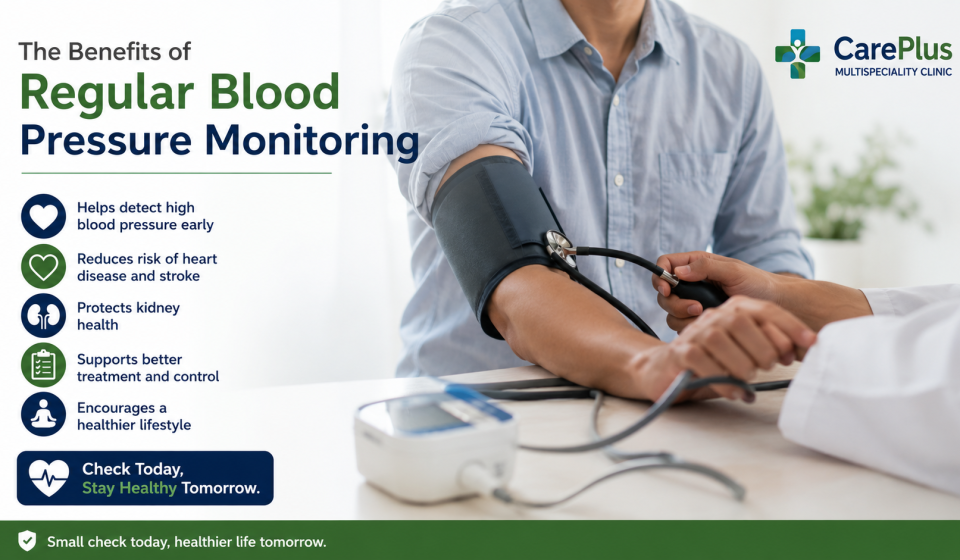

Learn the benefits of regular blood pressure monitoring and how it helps detect hypertension early, prevent heart disease, reduce stroke risk, and support long-term health through preventive care.
Blood pressure is one of the most important indicators of overall health. It measures the force of blood pushing against the walls of your arteries as the heart pumps blood throughout the body. While blood pressure naturally rises and falls during the day depending on physical activity, stress, and emotions, consistently high or low blood pressure can signal underlying health problems. Regular blood pressure monitoring is a simple yet powerful way to protect your health, detect problems early, and reduce the risk of serious medical conditions.
High blood pressure, also known as hypertension, is often called the “silent killer” because it usually develops without noticeable symptoms. Many people feel completely healthy even when their blood pressure is dangerously high. Without proper monitoring, hypertension may go undetected for years, increasing the risk of heart attack, stroke, kidney disease, vision loss, and other life-threatening complications.
Regular blood pressure monitoring is not only important for people who have hypertension but also for healthy individuals who want to prevent future health problems. Keeping track of blood pressure helps healthcare providers identify changes early, evaluate treatment effectiveness, and recommend lifestyle modifications before complications develop.
In today’s fast-paced lifestyle, factors such as unhealthy eating habits, stress, obesity, physical inactivity, smoking, alcohol consumption, and poor sleep contribute significantly to high blood pressure. Fortunately, many of these risk factors can be managed through healthy lifestyle changes and routine health checkups.
This article explains the benefits of regular blood pressure monitoring, who should monitor their blood pressure, and how this simple habit can support better long-term health.
What Is Blood Pressure?
Blood pressure is the pressure exerted by circulating blood on the walls of the arteries.
A blood pressure reading consists of two numbers:
- Systolic pressure: The pressure when the heart contracts and pumps blood.
- Diastolic pressure: The pressure when the heart relaxes between beats.
Maintaining blood pressure within a healthy range is essential for proper circulation and overall well-being.
Why Regular Blood Pressure Monitoring Is Important
Monitoring blood pressure regularly helps identify changes before they become serious health problems.
Routine monitoring helps:
- Detect high blood pressure early
- Monitor treatment effectiveness
- Reduce the risk of heart disease
- Prevent stroke
- Protect kidney health
- Encourage healthier lifestyle choices
- Support preventive healthcare
Even people who feel healthy can benefit from regular blood pressure checks.
1. Helps Detect High Blood Pressure Early
One of the biggest advantages of regular monitoring is the early detection of hypertension.
Because high blood pressure usually causes no obvious symptoms, many individuals remain unaware they have the condition until complications occur.
Early diagnosis allows:
- Timely medical treatment
- Lifestyle modifications
- Better blood pressure control
- Lower risk of complications
Detecting hypertension early significantly improves long-term health outcomes.
2. Reduces the Risk of Heart Disease
High blood pressure forces the heart to work harder than normal.
Over time, uncontrolled hypertension can damage the heart and blood vessels, increasing the risk of:
- Heart attack
- Heart failure
- Coronary artery disease
- Irregular heartbeat
Regular monitoring helps ensure blood pressure remains under control, reducing cardiovascular risk.
3. Helps Prevent Stroke
Stroke is one of the leading complications of uncontrolled hypertension.
Consistently high blood pressure can weaken or damage blood vessels supplying the brain.
Monitoring blood pressure regularly allows healthcare providers to recommend treatment before serious complications such as stroke occur.
4. Protects Kidney Function
The kidneys depend on healthy blood vessels to filter waste products from the blood.
High blood pressure can damage these delicate blood vessels over time, increasing the risk of chronic kidney disease.
Routine monitoring helps:
- Detect blood pressure changes early
- Protect kidney health
- Reduce the risk of kidney damage
- Support long-term kidney function
5. Supports Better Treatment Decisions
For individuals already diagnosed with hypertension, regular monitoring provides valuable information about how well treatment is working.
Blood pressure readings help healthcare professionals:
- Adjust medications when necessary
- Evaluate lifestyle changes
- Monitor treatment progress
- Reduce the risk of complications
Keeping a record of home blood pressure readings can also improve communication with your healthcare provider.
6. Encourages Healthier Lifestyle Habits
Seeing regular blood pressure readings often motivates people to make healthier lifestyle choices.
Positive habits that help maintain healthy blood pressure include:
- Eating a balanced diet
- Reducing salt intake
- Exercising regularly
- Maintaining a healthy weight
- Managing stress
- Getting enough sleep
- Avoiding smoking
- Limiting alcohol consumption
These lifestyle improvements benefit overall health in addition to lowering blood pressure.
7. Identifies Blood Pressure Changes Over Time
Blood pressure can fluctuate due to stress, illness, medications, physical activity, or aging.
Regular monitoring helps identify long-term trends instead of relying on a single reading taken during a clinic visit.
Tracking changes over time allows healthcare providers to detect developing problems early and recommend appropriate preventive measures.
8. Supports Preventive Healthcare
Preventive healthcare focuses on identifying health problems before they become serious.
Blood pressure monitoring is one of the simplest preventive health measures because it is:
- Quick
- Painless
- Affordable
- Widely available
- Highly effective
Combined with routine health checkups, blood pressure monitoring plays an important role in maintaining lifelong health.
9. Who Should Monitor Their Blood Pressure?
Although blood pressure monitoring is especially important for individuals diagnosed with hypertension, it is beneficial for almost everyone.
Regular monitoring is recommended for:
- Adults aged 18 years and older
- People with high blood pressure
- Individuals with diabetes
- People with heart disease
- Those with kidney disease
- Individuals who are overweight or obese
- Smokers
- Older adults
- People with a family history of hypertension or heart disease
- Pregnant women, especially those at risk of pregnancy-related hypertension
Even healthy adults should have their blood pressure checked regularly as part of preventive healthcare.
10. How Often Should You Check Your Blood Pressure?
The ideal frequency depends on your age, health condition, and medical history.
General recommendations include:
- Healthy adults: At least once every year during routine health checkups.
- Adults over 40 years: More frequent monitoring as advised by a healthcare provider.
- People with hypertension: Regular home monitoring and follow-up visits as recommended by their doctor.
- Individuals with diabetes, kidney disease, or heart disease: More frequent monitoring may be necessary.
Always follow your healthcare provider’s recommendations based on your individual health needs.
11. Tips for Accurate Blood Pressure Measurement
Accurate readings are essential for proper diagnosis and treatment.
To obtain reliable measurements:
- Rest quietly for at least five minutes before checking.
- Avoid caffeine, smoking, or exercise for at least 30 minutes beforehand.
- Sit comfortably with your back supported.
- Keep both feet flat on the floor without crossing your legs.
- Rest your arm on a table at heart level.
- Use a properly fitted blood pressure cuff.
- Avoid talking during the measurement.
- Take readings at the same time each day.
- Record multiple readings over several days for better accuracy.
Following these steps helps reduce inaccurate readings caused by temporary factors.
12. Benefits of Home Blood Pressure Monitoring
Home blood pressure monitors allow individuals to track their health conveniently.
Advantages include:
- Early detection of abnormal readings
- Better management of hypertension
- Reduced “white coat syndrome” (temporary high readings caused by anxiety during clinic visits)
- Improved treatment monitoring
- Greater patient involvement in healthcare decisions
- Better communication with healthcare providers
Home monitoring should complement, not replace, regular medical checkups.
13. Lifestyle Habits That Help Maintain Healthy Blood Pressure
Blood pressure can often be improved through healthy lifestyle choices.
Healthy habits include:
- Eat a balanced diet rich in fruits and vegetables.
- Reduce salt intake.
- Exercise for at least 150 minutes each week.
- Maintain a healthy body weight.
- Avoid smoking and tobacco products.
- Limit alcohol consumption.
- Manage stress through relaxation techniques.
- Get 7–9 hours of quality sleep each night.
- Stay physically active throughout the day.
- Attend regular health checkups.
Even small lifestyle improvements can have a significant impact on blood pressure control.
14. Common Risk Factors for High Blood Pressure
Several factors increase the likelihood of developing hypertension.
These include:
- Aging
- Family history
- Obesity
- Physical inactivity
- High-sodium diet
- Smoking
- Excessive alcohol intake
- Chronic stress
- Diabetes
- Kidney disease
Understanding these risk factors allows individuals to take preventive steps before complications develop.
15. Blood Pressure Monitoring and Preventive Healthcare
Routine blood pressure monitoring is one of the simplest and most effective preventive healthcare practices.
Regular monitoring helps:
- Detect hypertension before symptoms appear
- Prevent heart attacks and strokes
- Protect kidney function
- Support healthy aging
- Improve treatment outcomes
- Reduce healthcare costs through early intervention
When combined with balanced nutrition, regular exercise, proper sleep, stress management, and routine medical examinations, blood pressure monitoring plays a vital role in maintaining lifelong health.
sources
https://www.who.int
https://www.cdc.gov
https://www.heart.org
https://www.nih.gov
Conclusion
Regular blood pressure monitoring is a simple yet powerful habit that can significantly improve long-term health. Because high blood pressure often develops without noticeable symptoms, routine monitoring is essential for early detection and timely treatment. Keeping track of your blood pressure helps reduce the risk of heart disease, stroke, kidney damage, and other serious complications while supporting better treatment decisions and healthier lifestyle choices.
Whether you monitor your blood pressure at home or during routine medical visits, consistency is key. Combined with healthy eating, regular physical activity, stress management, quality sleep, and preventive healthcare, blood pressure monitoring provides valuable insight into your overall well-being and helps you take control of your health before problems become serious.
FAQs
1. Why is regular blood pressure monitoring important?
Regular monitoring helps detect high blood pressure early, monitor treatment effectiveness, and reduce the risk of heart disease, stroke, kidney disease, and other complications.
2. How often should I check my blood pressure?
Healthy adults should have their blood pressure checked at least once a year. People with hypertension or other medical conditions may need more frequent monitoring as recommended by their healthcare provider.
3. Can I monitor my blood pressure at home?
Yes. Home blood pressure monitors are reliable when used correctly and can help track blood pressure trends between medical appointments.
4. What lifestyle changes help lower blood pressure?
Healthy eating, reducing salt intake, regular exercise, maintaining a healthy weight, avoiding smoking, limiting alcohol, managing stress, and getting enough sleep all help maintain healthy blood pressure.
5. Does high blood pressure always cause symptoms?
No. High blood pressure is often called the “silent killer” because many people have no symptoms until serious complications develop. This is why regular monitoring is so important.