
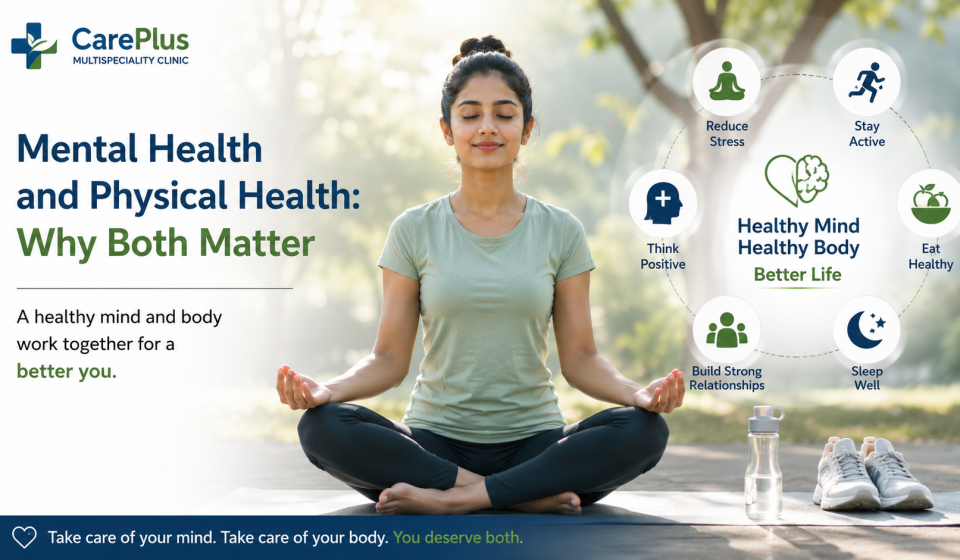

Discover why mental health and physical health are equally important. Learn how emotional well-being affects physical wellness, disease prevention, productivity, and overall quality of life through healthy lifestyle habits.
Health is often associated with physical fitness, nutritious eating, and the absence of disease. However, true health goes far beyond the physical body. Mental health and physical health are deeply connected, and each significantly influences the other. A healthy mind contributes to a healthy body, while good physical health supports emotional well-being. Ignoring either aspect can affect overall wellness and quality of life.
In today’s fast-paced world, people face numerous challenges such as work pressure, financial responsibilities, family commitments, social expectations, and constant digital connectivity. These factors can contribute to stress, anxiety, depression, poor sleep, and unhealthy lifestyle habits. At the same time, physical illnesses such as diabetes, heart disease, obesity, and chronic pain can negatively affect mental well-being. This close relationship demonstrates why caring for both mental and physical health is essential.
Good health is not simply the absence of illness—it is a state of complete physical, mental, and social well-being. Healthy eating, regular exercise, quality sleep, stress management, preventive healthcare, and strong social relationships all contribute to maintaining balance between mind and body.
In this article, we explore the connection between mental health and physical health, understand why both matter, and discuss practical ways to improve overall wellness.
Understanding Mental Health
Mental health refers to a person’s emotional, psychological, and social well-being.
It affects how people:
- Think
- Feel
- Make decisions
- Handle stress
- Build relationships
- Cope with challenges
Good mental health allows individuals to function effectively at work, at home, and within their communities.
Understanding Physical Health
Physical health refers to the proper functioning of the body and its organs.
Maintaining physical health includes:
- Eating a balanced diet
- Exercising regularly
- Getting enough sleep
- Staying hydrated
- Managing chronic conditions
- Attending routine medical checkups
Good physical health improves energy, mobility, and overall quality of life.
The Connection Between Mental and Physical Health
Mental and physical health constantly influence one another.
For example:
- Chronic stress may increase blood pressure.
- Depression may reduce motivation to exercise.
- Poor sleep affects both mood and physical recovery.
- Chronic illness may increase anxiety and emotional distress.
Improving one aspect of health often benefits the other, creating a positive cycle of overall wellness.
1. Stress Can Affect Physical Health
Stress is a normal response to life’s challenges, but long-term stress can harm the body.
Chronic stress may contribute to:
- High blood pressure
- Heart disease
- Digestive disorders
- Headaches
- Muscle tension
- Weakened immunity
- Sleep disturbances
Managing stress is essential for protecting both mental and physical health.
2. Physical Activity Improves Mental Health
Regular exercise benefits the brain as much as the body.
Exercise helps:
- Reduce stress
- Improve mood
- Lower anxiety
- Reduce symptoms of depression
- Improve self-confidence
- Increase energy levels
Physical activity stimulates the release of endorphins, often called the body’s “feel-good” chemicals.
3. Sleep Supports Both Mind and Body
Quality sleep is essential for emotional balance and physical recovery.
Healthy sleep helps:
- Improve memory
- Enhance concentration
- Strengthen immunity
- Support hormone regulation
- Reduce stress
- Repair muscles and tissues
Adults should generally aim for 7–9 hours of quality sleep each night.
4. Nutrition Affects Mental and Physical Well-Being
The foods we eat influence both brain function and physical health.
A balanced diet rich in:
- Fruits
- Vegetables
- Whole grains
- Lean proteins
- Healthy fats
supports:
- Brain health
- Energy production
- Heart health
- Immune function
- Mood regulation
Poor nutrition may contribute to fatigue, poor concentration, and increased risk of chronic diseases.
5. Chronic Illness Can Affect Mental Health
Living with long-term health conditions can create emotional challenges.
People with chronic illnesses may experience:
- Anxiety
- Depression
- Stress
- Reduced self-esteem
- Social isolation
Providing emotional support alongside medical treatment improves overall patient outcomes.
6. Mental Health Influences Healthy Lifestyle Choices
People with good mental health are more likely to adopt healthy habits.
Positive mental well-being encourages:
- Regular exercise
- Healthy eating
- Adequate sleep
- Routine health checkups
- Better stress management
- Avoidance of smoking and excessive alcohol
These habits contribute to improved physical health over time.
7. Social Connections Improve Overall Health
Strong relationships are beneficial for both mental and physical wellness.
Healthy social support can:
- Reduce stress
- Improve emotional resilience
- Encourage healthy habits
- Reduce loneliness
- Improve recovery during illness
Spending quality time with family and friends contributes to better overall health.
8. Preventive Healthcare Benefits Both Mind and Body
Routine health checkups help identify physical conditions early while also providing opportunities to discuss emotional well-being with healthcare professionals.
Preventive care may include:
- Annual physical examinations
- Blood pressure monitoring
- Blood sugar testing
- Mental health screening
- Lifestyle counseling
- Stress management guidance
Early intervention helps improve both mental and physical health outcomes.
9. Poor Mental Health Can Affect Physical Health
Mental health conditions can lead to physical symptoms that interfere with daily life.
Common physical effects include:
- Fatigue
- Frequent headaches
- Muscle tension
- Chest discomfort
- Digestive problems
- Sleep disturbances
- Increased blood pressure
- Reduced immunity
Ignoring emotional well-being may eventually contribute to long-term physical health problems.
10. Physical Health Can Improve Emotional Well-Being
Taking care of your body has a direct positive effect on your mental health.
Healthy physical habits include:
- Exercising regularly
- Eating nutritious meals
- Drinking enough water
- Sleeping well
- Maintaining a healthy weight
- Avoiding smoking and excessive alcohol
These habits improve mood, boost confidence, and reduce the risk of stress and anxiety.
11. The Importance of Work-Life Balance
Maintaining a healthy balance between work and personal life is essential for both mental and physical wellness.
A healthy work-life balance helps:
- Reduce stress
- Prevent burnout
- Improve relationships
- Increase productivity
- Enhance emotional well-being
- Support better physical health
Taking regular breaks, setting boundaries, and making time for family, hobbies, and relaxation contribute to a healthier lifestyle.
12. Recognizing Warning Signs
Being aware of early warning signs allows individuals to seek help before problems become more serious.
Mental health warning signs include:
- Persistent sadness
- Excessive worry
- Mood changes
- Difficulty concentrating
- Loss of interest in activities
- Social withdrawal
- Feeling overwhelmed
Physical health warning signs include:
- Persistent fatigue
- Unexplained weight changes
- Frequent illnesses
- High blood pressure
- Ongoing pain
- Sleep problems
- Digestive issues
Early recognition improves the chances of successful treatment.
13. Daily Habits That Support Overall Wellness
Small daily habits can strengthen both mental and physical health.
Healthy habits include:
- Eat a balanced diet.
- Exercise regularly.
- Sleep for 7–9 hours.
- Stay hydrated.
- Practice mindfulness or meditation.
- Spend time outdoors.
- Stay connected with family and friends.
- Take breaks from screens.
- Schedule routine health checkups.
- Practice gratitude and positive thinking.
Consistency is more important than perfection when building a healthy lifestyle.
14. When Should You Seek Professional Help?
It is important to seek medical or mental health support if symptoms persist or begin interfering with daily life.
Consult a healthcare professional if you experience:
- Persistent anxiety or depression
- Ongoing stress
- Panic attacks
- Suicidal thoughts
- Severe sleep disturbances
- Unexplained physical symptoms
- Difficulty performing daily activities
Early diagnosis and treatment improve recovery and overall quality of life.
15. Preventive Healthcare Supports Whole-Person Wellness
Preventive healthcare focuses on maintaining both physical and mental well-being before serious problems develop.
Preventive care includes:
- Annual health examinations
- Mental health assessments
- Blood pressure monitoring
- Blood sugar testing
- Cholesterol screening
- Nutrition counseling
- Exercise guidance
- Stress management support
Regular healthcare visits help identify potential concerns early and encourage healthier lifestyle choices.
Sources
https://www.who.int
https://www.cdc.gov
https://www.nimh.nih.gov
https://www.apa.org
Conclusion
Mental health and physical health are closely connected, and neither should be overlooked. A healthy mind supports healthy lifestyle choices, better relationships, improved productivity, and stronger physical health. Likewise, maintaining physical wellness through exercise, nutritious eating, adequate sleep, hydration, and preventive healthcare contributes significantly to emotional well-being.
Ignoring either mental or physical health can increase the risk of chronic diseases, stress-related conditions, and a reduced quality of life. Fortunately, small daily habits such as staying active, managing stress, maintaining social connections, and attending routine health checkups can create lasting improvements in overall wellness.
By caring for both your mind and body equally, you build a stronger foundation for a healthier, happier, and more fulfilling life.
FAQs
1. Why are mental health and physical health connected?
Mental and physical health continuously influence one another. Emotional stress can affect the body, while physical illnesses can impact mood, emotions, and overall mental well-being.
2. Can exercise improve mental health?
Yes. Regular physical activity releases endorphins, reduces stress and anxiety, improves mood, enhances sleep quality, and helps reduce symptoms of depression.
3. How does poor mental health affect the body?
Poor mental health may contribute to headaches, fatigue, digestive problems, weakened immunity, sleep disorders, high blood pressure, and increased risk of chronic diseases.
4. What daily habits improve both mental and physical health?
Healthy eating, regular exercise, quality sleep, proper hydration, stress management, mindfulness, strong social relationships, and routine health checkups all support overall wellness.
5. When should someone seek professional help?
Professional help should be sought if emotional or physical symptoms persist, interfere with daily life, or include severe anxiety, depression, panic attacks, suicidal thoughts, or unexplained physical health problems.